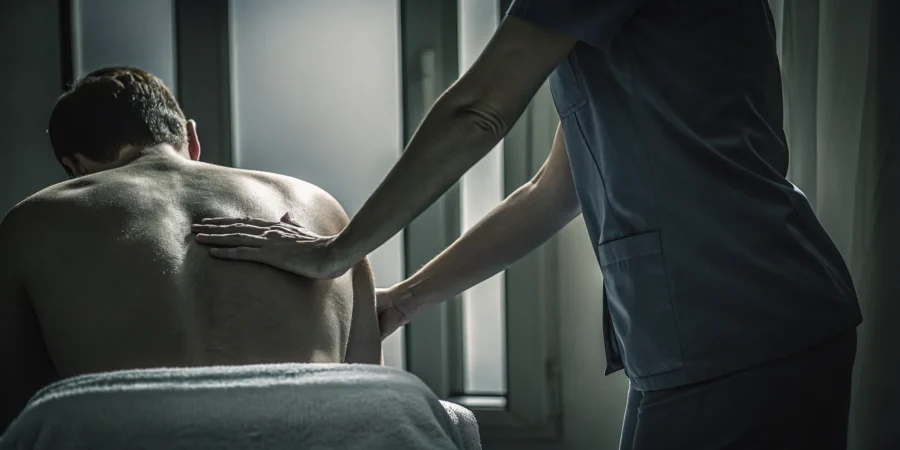
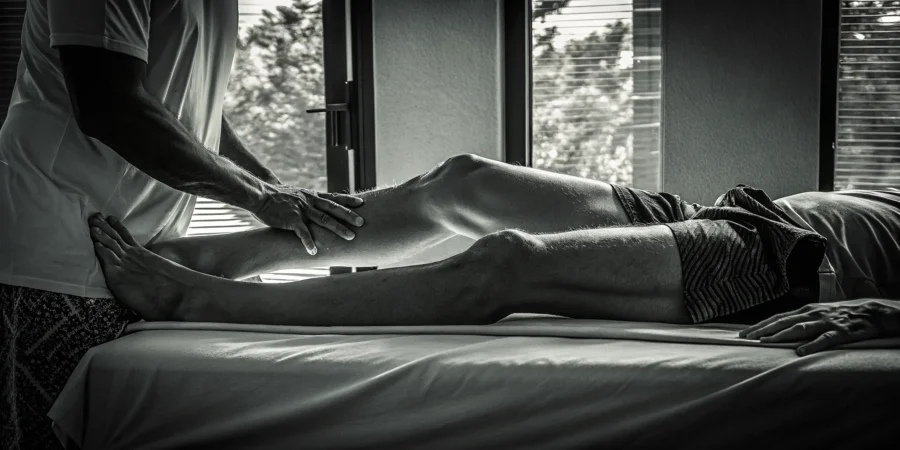
If you think a massage can’t possibly fix a serious nerve issue like radiculopathy, you’re partially right. A generic, light-touch spa massage isn’t designed to address deep structural problems. But targeted, therapeutic bodywork is a different story entirely. When you’re dealing with nerve compression, you need a therapist who understands the complex interplay between muscles, fascia, and the nervous system. The goal is to strategically release the specific tissues that are putting pressure on the nerve root. This is why specialized massage therapy for lumbar radiculopathy is so crucial. It’s a precise, intelligent approach designed to create space, reduce inflammation, and restore proper function for long-term relief.
Key Takeaways
- Focus on the Source of Pain: Radiculopathy isn’t just a backache; it’s nerve pain that starts at your spine. Effective massage targets the root cause by releasing the tight muscles and fascia that compress the nerve, creating the space your body needs to function without pain.
- Specialized Techniques Are Essential: A standard relaxation massage won’t resolve nerve pain. Lasting relief requires specific methods like deep tissue and myofascial release that are designed to address the deep, structural tension contributing to nerve compression.
- Build a Consistent Recovery System: One session provides relief, but consistency creates resilience. For the best results, combine regular, skilled bodywork with smart daily habits and always get a clear diagnosis from your doctor before you begin.
What Is Lumbar Radiculopathy?
If you’ve ever felt a sharp, shooting pain that starts in your low back and travels down your leg, you may have been dealing with lumbar radiculopathy. It’s the clinical term for what happens when a nerve in your lower spine gets compressed, irritated, or injured. While many people call this “sciatica,” that term specifically refers to the sciatic nerve. Lumbar radiculopathy is a broader diagnosis that can involve any of the nerve roots in your lumbar spine.
This isn’t just a simple backache. It’s a nerve issue. Think of the nerves in your low back as electrical wires branching off your spinal cord to power your legs and feet. When one of those wires gets pinched, the signal gets disrupted. This can cause pain, numbness, or weakness anywhere along that nerve’s path, from your glutes all the way down to your toes. For people who rely on their bodies to perform, whether in the gym or at a desk, this kind of nerve pain can be a serious roadblock. Understanding that the problem starts at the nerve root is the first step toward finding real, targeted relief.
What Causes This Nerve Pain?
The pressure on a lumbar nerve root can happen for a few reasons. Often, it’s the result of a herniated or bulging disc, where the soft cushion between your vertebrae pushes out and presses on a nearby nerve. This can happen from a sudden injury or simply from the cumulative effects of wear and tear over time.
Other common causes include spinal stenosis, which is a narrowing of the spinal canal, or degenerative changes in the spine’s joints and bones. Your daily habits also play a big role. Sitting for long periods, maintaining poor posture, or even carrying extra weight can put sustained pressure on your low back, eventually leading to nerve irritation and the symptoms of radiculopathy.
Symptoms: It’s More Than Just a Backache
The defining feature of lumbar radiculopathy is pain that radiates. It typically starts in the low back or buttock and travels down the back of the thigh, sometimes reaching the calf or foot. This pain isn’t usually a dull ache. People often describe it as sharp, shooting, or electric. You might also feel tingling, numbness, or a pins-and-needles sensation along the nerve’s path.
In some cases, you might experience muscle weakness in the affected leg or foot. This could make it difficult to lift your foot (a condition called foot drop) or stand on your toes. The tricky part is that the most intense symptoms of lumbar radiculopathy might not even be in your back, making it hard to connect the dots.
How It Can Disrupt Your Life
When you’re dealing with nerve pain, everything becomes more difficult. That leg workout you had planned? Out of the question. Sitting through a long meeting at work can feel like a form of torture. The pain can interfere with sleep, making it impossible to find a comfortable position and leaving you exhausted. It sidelines you from the activities that keep you feeling strong and capable.
Ignoring these signals is a risky strategy. When a nerve is compressed, it’s not getting the blood flow and nutrients it needs to function properly. Over time, this can lead to more persistent pain, increased muscle weakness, and even lasting nerve damage. Getting help early is key to addressing the root cause of the compression and preventing a temporary problem from becoming a chronic one.
Can Massage Help Relieve Radiculopathy?
If you’re dealing with the sharp, radiating pain of lumbar radiculopathy, you’re probably looking for real, lasting relief. The good news is that targeted, therapeutic massage isn’t just a temporary fix; it’s a powerful way to address the root causes of your discomfort. By working directly on the muscles and connective tissues that contribute to nerve compression, a skilled therapist can help create the conditions your body needs to heal. It works by easing the mechanical pressure on the nerve, releasing the fascial restrictions that pull your body out of alignment, and improving circulation to support tissue repair. Let’s break down exactly how this works.
How Bodywork Eases Muscle Tension and Nerve Pressure
Think of the nerve in your low back as a sensitive cable running through a tight space. When the muscles surrounding that space become tense, knotted, and inflamed, they effectively shrink the space and squeeze the cable. This compression is what triggers the pain, numbness, or tingling you feel down your leg. Therapeutic bodywork directly addresses this problem. A trained therapist can use precise techniques to stretch and soften those chronically tight muscles, releasing the trigger points and knots that are contributing to the pressure. This helps to alleviate the symptoms of radiculopathy by creating more room for the nerve, giving it the space it needs to function without irritation.
The Role of Fascia in Your Low Back and Legs
It’s impossible to talk about lasting relief without talking about fascia. This web of connective tissue wraps around every muscle, nerve, and organ in your body. When it’s healthy, it’s pliable and allows for smooth movement. But stress, injury, and repetitive strain can cause it to become tight and restricted, pulling on your muscles and joints like a snag in a sweater. For lumbar radiculopathy, tight fascia in the glutes, hamstrings, and even the calves can create a chain of tension that contributes to nerve compression in the lower back. Our fascia-first approach focuses on the manipulation of both superficial and deep layers of muscle and fascia to restore balance and mobility, providing relief that goes beyond the surface muscles.
Improving Circulation to Support Nerve Healing
While creating space and releasing tension provides immediate relief, true recovery requires healing the irritated nerve itself. This is where improved circulation comes in. Deep, methodical bodywork increases blood flow to the affected areas of your low back and legs. This isn’t just about feeling warm and relaxed; it’s a critical part of the healing process. Enhanced circulation acts like a delivery service, bringing a fresh supply of oxygen and nutrients that are essential for tissue repair. At the same time, it helps flush out the inflammatory waste products that can accumulate in tight tissues and prolong pain. This improved metabolic exchange creates the ideal environment to support nerve healing and reduce pain from the inside out.
Which Massage Techniques Work Best for Nerve Pain?
When you’re dealing with the sharp, radiating pain of lumbar radiculopathy, you know that not just any massage will do. The goal isn’t simply to relax; it’s to create real, lasting change in the tissues that are causing the problem. The most effective bodywork for nerve pain focuses on releasing the specific muscles and connective tissues that are compressing or irritating the nerve root in your lower back. It’s about creating space so your body can function without interference.
A skilled therapist will often combine several approaches to address your pain from different angles. Think of it as a strategic plan tailored to your body. Techniques like deep tissue massage, myofascial release, and trigger point therapy work together to unwind the complex patterns of tension that lead to nerve pain. While a lighter, more general massage can feel nice, targeted work is what provides meaningful relief. The key is to find a therapist who understands the underlying mechanics of your pain and knows how to apply these specialized massage techniques with precision and care. This is how you move from temporary comfort to long-term recovery.
Deep Tissue Massage
Deep tissue massage is a powerful tool for relieving the kind of chronic muscle tension that often accompanies lumbar radiculopathy. This technique involves using slow, firm strokes to target the deeper layers of your muscles and connective tissues. When muscles in your lower back and glutes are persistently tight, they can contribute to the compression of your sciatic nerve. A therapist uses deep tissue work to manually break down adhesions, or “knots,” in the muscle fibers. This process helps reduce inflammation and restore proper muscle function, taking direct pressure off the affected nerve and giving it room to heal.
Myofascial Release
This technique is all about the fascia, the thin web of connective tissue that wraps around every muscle and organ in your body. When your fascia becomes tight or restricted due to injury or chronic tension, it can pull on surrounding structures and contribute to nerve compression. Myofascial release uses sustained, gentle pressure to slowly stretch and unwind these fascial restrictions. For someone with lumbar radiculopathy, releasing the fascia in the lower back, hips, and legs can be a game-changer. If you are ready to experience this firsthand, explore our deep tissue massage services to find the right session and location for your needs. This approach helps improve mobility and relieve tension in a way that traditional muscle work alone can’t, creating more space and freedom along the entire nerve pathway.
Trigger Point Therapy
If you’ve ever had a stubborn “knot” that sends pain to another part of your body, you’ve experienced a trigger point. These are hyper-irritable spots in tight bands of muscle, and they are common culprits in low back and sciatic-type pain. Trigger point therapy involves applying direct, isolated pressure to these knots until they release. For lumbar radiculopathy, a therapist might focus on trigger points in the gluteus minimus or piriformis muscles, which can refer pain down the leg. By deactivating these points, this technique can provide surprisingly immediate and long-term relief of back pain and its associated radiating symptoms.
Neuromuscular Therapy
Neuromuscular therapy is a highly specialized form of bodywork that focuses on the intricate relationship between your nervous system and your muscular system. A therapist trained in this method assesses the body for the underlying causes of pain, such as postural distortion, biomechanical dysfunction, and specific nerve compression. The work is precise and systematic, aiming to interrupt pain signals and restore balance to the body. For radiculopathy, this therapy is an excellent option because it directly addresses the neurological component of your pain. It’s a thoughtful approach designed to relieve pain and restore function by correcting the imbalances that put pressure on the nerve in the first place.
Swedish Massage
While deeper techniques are often the primary focus for resolving nerve compression, Swedish massage plays an important supportive role. This technique uses long, flowing strokes, kneading, and circular movements to relax the entire body. For someone with radiculopathy, the main benefits are improved circulation and a calmer nervous system. Better blood flow brings oxygen and nutrients to injured tissues, which can aid healing. Furthermore, the gentle, rhythmic nature of Swedish massage can help soothe a nervous system that has been on high alert from chronic pain. This promotes relaxation and can help alleviate nerve pain by reducing overall stress and muscle guarding.
What the Research Says About Massage for Low Back Pain
When you’re dealing with persistent low back pain, you want a solution that’s grounded in real results, not just wishful thinking. The good news is that a growing body of research confirms what many of us have experienced firsthand: therapeutic massage is a powerful and effective tool for managing chronic low back pain and the nerve-related symptoms that often come with it. This isn’t about a momentary escape; it’s about creating lasting change in how your body feels and functions. The science shows that consistent, skilled bodywork can be a cornerstone of your recovery plan.
The Evidence for Pain Relief and Better Mobility
If you’ve ever wondered if massage is a legitimate treatment for back pain, the research is clear. Studies consistently show that massage can significantly lessen low back pain and reduce the daily difficulties it causes. One case study even concluded that massage therapy is a solid option for people with chronic low back pain, even when the pain stems from multiple health issues.
This means that the benefits go beyond the massage table. The goal is to help you move through your day with more ease and less pain. When your body is in a state of chronic tension, simple activities can feel like major hurdles. The evidence for massage therapy shows it can help restore your ability to function, making it a reliable part of managing your pain and getting back to your life.
Benefits That Last Beyond the Session
One of the biggest questions people have is whether the relief from a massage will last. While a single session can feel great, the real magic happens with consistency. Research has found that the benefits of massage for chronic back pain can last for at least six months, and sometimes even a year. This is because regular bodywork does more than just relax tight muscles; it helps retrain your body’s patterns of holding tension.
A compelling case study on chronic low-back pain followed a patient who saw dramatic improvements after just four sessions. His ability to perform daily activities improved so much that his disability score dropped by 22%, moving him from “severe” to “moderate” disability. This is what we mean by essential maintenance. It’s an investment in your body that pays off with long-term function and resilience.
How Massage Compares to Other Treatments
When you’re weighing your options for back pain, it’s helpful to know how massage stacks up. One study found that massage was more effective than both acupuncture and self-care education for reducing disability from back pain. Even better, it led to less medication use and lower future healthcare costs, showing its value as a proactive approach to wellness.
When it comes to technique, the research points in a specific direction. Studies suggest that deep tissue massage techniques are most effective for creating long-term relief from back pain. By targeting the deeper layers of muscle and fascia, this type of work can release the chronic tension patterns that contribute to pain and nerve compression, making it a particularly effective strategy for lasting change.
What Relief Can You Expect from Massage?
When you’re dealing with the sharp, radiating pain of lumbar radiculopathy, you want to know what will actually make a difference. While massage isn’t an instant fix, it is a powerful and effective way to manage your symptoms and support your body’s healing process. The relief you feel isn’t just in your head; it’s a real, physiological response to skilled, therapeutic bodywork. The goal is to get you feeling and moving better, not just for an hour on the table, but in your day-to-day life.
Consistent, targeted massage can create significant changes by addressing the root causes of your discomfort. It works by releasing the chronic muscle tension that contributes to nerve compression, restoring healthy movement patterns, and helping to calm a nervous system that has been stuck in a high-alert state from persistent pain. This comprehensive approach is fundamental to the work we do. Our DEEP Method™ is designed to systematically address these layers, helping your body reset so you can find lasting relief. This isn’t about a temporary escape from pain, but about creating the conditions for your body to heal itself more effectively. By focusing on the fascia and deep muscle tissue, we can help unwind the patterns that keep you stuck. Let’s look at what you can realistically expect from this kind of dedicated work.
Less Pain and Muscle Tension
One of the most immediate benefits of massage for radiculopathy is a reduction in pain and muscle tightness. When a nerve is irritated, the muscles around it often go into a protective spasm, becoming tight and rigid. This tension can create a painful cycle, putting even more pressure on the affected nerve root. Therapeutic massage directly addresses this by using techniques that lengthen and release these chronically tight muscles.
Skilled bodywork can break down painful muscle knots, or trigger points, that contribute to both local and referred pain down your leg. As these tight bands of tissue soften, the pressure on the surrounding structures, including the nerve, begins to ease. Research shows that massage therapy can provide substantial healing and pain relief for many lower back problems by reducing inflammation and stretching the muscles that have become stiff and sore.
Improved Range of Motion and Daily Function
Pain and stiffness don’t just hurt; they limit your ability to move freely. Lumbar radiculopathy can make simple actions like bending over, sitting for long periods, or even walking feel like monumental tasks. By easing muscle tension and addressing fascial restrictions, massage helps restore mobility to your hips and lower back. When your muscles are no longer locked in a state of constant contraction, your joints can move more freely through their full, intended range of motion.
This isn’t just about being more flexible. It’s about function. It means being able to put on your shoes without a jolt of pain, getting back to your workouts with confidence, and moving through your day with more ease and less hesitation. Deep tissue techniques are particularly effective for creating long-term improvements in back pain because they work on the deeper layers of muscle and fascia that are often at the core of chronic stiffness.
A Calmer, More Regulated Nervous System
Living with chronic pain is mentally and emotionally exhausting. The constant discomfort can put your nervous system on high alert, creating a feedback loop of stress, anxiety, and increased pain sensitivity. Massage therapy offers a powerful way to break this cycle. The application of slow, deliberate pressure helps shift your nervous system out of the sympathetic “fight-or-flight” state and into the parasympathetic “rest-and-digest” state.
This is where true healing and recovery can happen. A calmer nervous system means less stress hormone production, lower inflammation, and a decreased perception of pain. Studies confirm that massage can effectively reduce the feelings of worry and sadness that so often accompany chronic low back pain. By giving your body a chance to rest and reset, you’re not just treating the physical symptoms, you’re also caring for your mental and emotional well-being.
Your Session: What to Expect
Walking into a session with nerve pain can feel intimidating, but knowing what’s ahead can make all the difference. At AUSTINDEEP, every session follows our proven DEEP Method™, a structured, fascia-first system designed for consistency and real results. This isn’t a generic relaxation massage; it’s targeted, therapeutic work. Your therapist is trained in-house to understand the body as a whole system, so they’ll know exactly how to approach your pain safely and effectively from the moment you get on the table. We’re here to help your body reset so you can find relief that actually lasts.
How a Skilled Therapist Will Approach Your Pain
When you’re dealing with something as specific as radiculopathy, you need a therapist who does more than just work on the sore spot. Our approach is to look at the bigger picture. The radiating pain you feel is a signal of pressure on a nerve root in your low back, but the tension causing it might be coming from your hips, glutes, or even your opposite leg. Your therapist will use our full-body system to identify and release the fascial restrictions and tight muscles contributing to the problem. We use deep tissue massage to stretch out chronic muscle knots and calm inflammation, creating space and easing pressure on that irritated nerve.
Positioning and Session Structure
Your comfort and safety on the table are our top priorities. Lying face-down can sometimes increase pressure on the lumbar spine, so your therapist will be ready to adjust. We often work with clients in a side-lying position, using pillows and bolsters for support to keep your spine neutral and comfortable. This allows us to access the low back, hips, and glutes without causing any strain. Every one of our services follows the same structure, so you can trust that your therapist is applying the DEEP Method™ with precision, no matter who you see or which studio you visit. This consistency is how we ensure you get the most effective work every single time.
How Often to Book for Lasting Relief
One session can provide significant relief, but lasting change comes from consistency. Think of this work as essential maintenance for your body, just like movement and sleep. For a chronic issue like radiculopathy, a single massage is a great first step, but a regular schedule is what helps retrain your muscles and fascia for long-term resilience. Your therapist will work with you to create a plan, but many clients find that starting with weekly or bi-weekly sessions helps them get ahead of the pain before tapering to a maintenance schedule. Ready to get started? You can book an appointment at any of our Austin locations.
Is Massage Safe for Lumbar Radiculopathy?
When you’re dealing with nerve pain like lumbar radiculopathy, it’s smart to question whether massage is safe. The short answer is yes — when performed by a skilled therapist trained to work with spinal conditions. At AUSTINDEEP, every therapist is trained in-house through the DEEP Academy, with 500 hours of education including anatomy, pathology, and kinesiology. This training means our therapists know how to recognize contraindications, modify techniques for sensitive conditions, and keep safety at the center of every session.
Safety starts with a three-way partnership: you, your doctor, and your bodywork therapist. Getting a clear diagnosis is the first step, followed by finding a practitioner who is trained to handle your specific condition. At AUSTINDEEP, our therapists are rigorously trained in our DEEP Method™ to work with precision and a deep understanding of anatomy. We know how to release the fascial tension that contributes to nerve compression without putting you at risk. With the right precautions and an expert on your team, massage can be a powerful tool for finding relief.
When to Talk to Your Doctor First
Before you book any bodywork, your first stop should be your doctor’s office. If you have persistent lower back pain, muscle spasms, numbness, tingling, or weakness that travels down your leg, you need a clear diagnosis. These symptoms are classic signs of lumbar radiculopathy, and a medical professional should confirm the cause. Your doctor can rule out any serious conditions that might require more intensive medical intervention and give you the green light for therapeutic massage. Learn more about lumbar radiculopathy from MedlinePlus.
Bring any imaging results (MRI, CT scan), your current medication list, and any specialist referrals to your first appointment so your therapist can work with the complete picture.
Key Safety Protocols and Red Flags
A therapist skilled in working with spinal issues will never take a standard approach to your session. Certain spinal conditions require special consideration and specific modifications to keep you safe and comfortable. For example, your therapist may limit the time you spend lying face-down, instead opting for a side-lying position to take pressure off your lumbar spine. They will also use pillows and bolsters to support your body, ensuring your spine stays in a neutral, relaxed position throughout the session. This is where a therapist’s training really matters. They know how to work around the affected area to release tension in contributing muscles (like your glutes and hamstrings) without directly aggravating the nerve. Our therapists are trained to do a pre-session assessment every time, checking in on your current symptoms and adjusting their approach accordingly.
Red flags requiring urgent medical care: If you experience any of the following symptoms, seek urgent medical attention. Massage therapy is not a substitute for emergency medical treatment or diagnosis.
- New loss of bladder or bowel control
- Numbness in the saddle area (inner thighs, groin, buttocks)
- Rapidly progressive weakness in one or both legs
- Severe or worsening neurological deficits
Learn more about cauda equina syndrome from MedlinePlus.
How to Communicate Your Symptoms to Your Therapist
Your session is a partnership, and you are the leading expert on what’s happening in your body. The more information you can provide, the more effective the work will be. At AUSTINDEEP, your therapist begins every session with a brief intake to understand your current state — use this time to share what’s changed since your last visit.
- Where exactly does the pain radiate? (point to the path)
- What makes it better or worse? (positions, movements, time of day)
- Have you had any new symptoms since your last visit?
- Are you taking any new medications or have you seen a specialist?
Don’t be afraid to speak up during the session, either. Your feedback is what makes the work truly customized to you.
Are There Conditions That Make Massage Unsafe?
While therapeutic massage is safe for most people with lumbar radiculopathy, certain conditions make massage contraindicated or require physician clearance before proceeding. Your therapist will always ask about these during your intake:
- Acute fractures or unhealed injuries in the affected area
- Deep vein thrombosis (DVT) — recent or suspected
- Active infection, fever, or skin infection at the treatment site
- Cauda equina syndrome or acute myelopathy (neurological emergency)
- Severe osteoporosis or cancer with bone metastases (physician clearance required)
When in doubt, ask your doctor. A qualified therapist will always ask about these conditions during your intake.
Making Massage Part of Your Long-Term Recovery
Getting off the table feeling better is the first step, but making that relief last is the real work. When you’re dealing with something as persistent as lumbar radiculopathy, a one-off massage might feel good for a day or two, but it won’t create the deep, structural change your body needs to truly heal. Lasting recovery isn’t about finding a quick fix; it’s about building a sustainable system that supports your body day in and day out. Think of it less like an emergency repair and more like essential maintenance for the body you rely on, just like movement and proper sleep.
Making therapeutic massage a regular part of your routine is a powerful way to manage nerve pain and prevent future flare-ups. It’s about giving your body the consistent attention it needs to release chronic tension, restore healthy movement patterns, and function at its best. But massage doesn’t work in a vacuum. The best results come when you combine it with smart daily habits and the right professional guidance. It’s a partnership between you, your therapist, and the choices you make every day. Let’s walk through how to build a recovery plan that actually sticks, so you can get back to moving freely and living without pain.
Why Consistency Is Key for Lasting Results
Think of massage therapy like training for a sport. One session can feel great, but you won’t build real strength and resilience overnight. The same principle applies to healing. Your first massage for radiculopathy might offer significant relief, but consistent work is what creates lasting change. Regular sessions have cumulative benefits, helping to retrain tight muscles, release deeply held patterns in your fascia, and improve your mobility over time. By showing up for your body on a regular basis, you’re not just treating the pain you feel today; you’re investing in a more resilient body for the long run and reducing the frequency of future flare-ups.
Pairing Massage with Movement and Healthy Habits
Massage is a powerful tool, but it works best as part of a team. To truly support your body’s healing process, it’s important to integrate your sessions with other healthy habits. This means staying hydrated to help your tissues remain pliable, getting enough sleep so your body can repair itself, and incorporating gentle movement. Simple stretches and strengthening exercises, especially those recommended by your doctor or physical therapist, can enhance recovery outcomes when paired with targeted bodywork. This holistic approach helps you take an active role in your own well-being, turning passive relief into active, functional improvement that you’ll feel in your daily life.
Finding the Right Therapist for Your Needs
When you’re dealing with nerve pain, the skill and training of your therapist matter immensely. Not all massage is created equal, and you need a professional who understands the specific mechanics of your pain. Look for a therapist who specializes in techniques like deep tissue, myofascial release, and trigger point therapy, as these are designed to address the root causes of nerve compression. At AustinDeep, our therapists are not only experts in this work but are also trained in-house on our proprietary DEEP Method™. This ensures every session is delivered with precision and consistency, so you can trust you’re getting the exact care your body needs to recover.
Frequently Asked Questions
Is lumbar radiculopathy the same thing as sciatica? Not exactly, but they are very closely related. Think of lumbar radiculopathy as the official diagnosis for a pinched or irritated nerve in your lower back. Sciatica is the common term for the pain that happens when one specific nerve, the sciatic nerve, is affected. Since the sciatic nerve is the largest nerve in the body and frequently involved, people often use the terms interchangeably. However, radiculopathy can technically involve other nerve roots in the lumbar spine as well.
I’m already in a lot of pain. Will a deep tissue massage make it worse? This is a valid concern, and the answer comes down to the skill of your therapist. The goal is never to cause sharp or intolerable pain. There can be moments of intensity as the therapist works to release a deep knot or fascial restriction, but it should always feel productive, not harmful. A trained professional knows how to work with precision, communicating with you to stay within a manageable pressure level. They will also avoid working directly on the inflamed nerve root, focusing instead on the surrounding muscles and tissues that are causing the compression.
How many sessions will it take to feel better? There isn’t a magic number, as every person’s body and situation is unique. Many people feel a noticeable decrease in pain and an improvement in mobility after their very first session. However, for a chronic issue like radiculopathy, lasting relief comes from consistency. The initial goal is to get ahead of the pain cycle, which might mean weekly or bi-weekly sessions. Over time, as your body responds and holds the changes for longer, you can move to a maintenance schedule. Think of it as retraining your body, not just looking for a one-time fix.
Why can’t I just get a general relaxation massage for this? A general relaxation massage is great for reducing overall stress, but it typically doesn’t address the specific structural issues causing nerve pain. Radiculopathy requires a targeted approach. A therapist needs to understand the anatomy of your low back and hips to release the exact muscles and fascial layers that are compressing the nerve. Our DEEP Method™ is a systematic approach designed to do just that, creating space and restoring balance in a way that a more superficial massage simply can’t.
What can I do between sessions to help my recovery? Your work between sessions is a huge part of making the relief last. The most important things are gentle movement and awareness. Avoid staying in one position for too long, especially sitting. Get up, walk around, and do any simple stretches that your doctor or therapist has approved. Staying hydrated is also key, as it helps keep your muscle and fascial tissues pliable. Pay attention to your posture and try to incorporate these small, healthy habits into your day to support the work we do on the table.