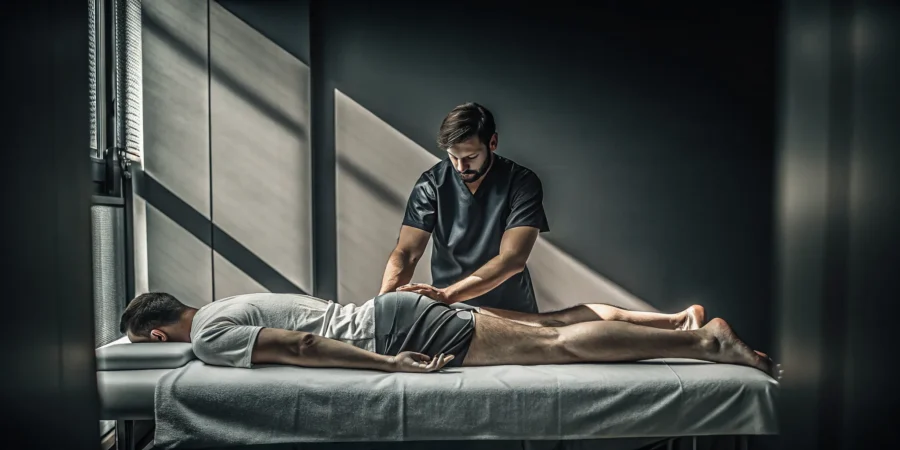
Have you tried stretching, icing, and even new shoes, but that strange, shooting pain in your foot just won’t quit? You might be dealing with Tarsal Tunnel Syndrome, a condition that’s frequently mistaken for other foot problems like plantar fasciitis. Because the root cause is nerve compression, generic treatments often fail to provide lasting relief. Getting to the bottom of the issue is the first step toward feeling better. A proper diagnosis followed by a specialized tarsal tunnel massage treatment can make all the difference. This targeted work is designed to release the specific tissues constricting the nerve, offering a clear and effective path to finally resolving the pain.
Key Takeaways
- Go Beyond the Symptom: Lasting relief for Tarsal Tunnel Syndrome comes from addressing its source, which is nerve compression. Targeted massage works by releasing the tight muscles and fascia in your lower leg and foot that squeeze the nerve, providing a solution that goes deeper than the point of pain.
- Work with a Trained Professional: This isn’t a DIY fix; a skilled therapist is essential for safely treating a compressed nerve. They have the anatomical knowledge to apply precise techniques that release pressure without causing more irritation, ensuring your treatment is both effective and safe.
- Make Recovery a Partnership: The work done in a session is only half the equation. You can secure lasting results by combining professional bodywork with supportive home care, such as gentle stretching, choosing the right footwear, and managing flare-ups to prevent the pain from returning.
What Is Tarsal Tunnel Syndrome?
If you’ve ever felt a nagging, hard-to-pinpoint pain in your ankle or the sole of your foot, you might be dealing with Tarsal Tunnel Syndrome. Think of it as the foot’s version of carpal tunnel syndrome. It happens when a key nerve gets squeezed, leading to symptoms that can disrupt everything from your daily walk to your toughest workouts. Understanding what’s happening inside your foot is the first step toward finding real, lasting relief. This isn’t just a minor ache to push through; it’s your body sending a clear signal that something needs to change.
Understanding the Causes
At the heart of Tarsal Tunnel Syndrome is the tibial nerve. This nerve runs down the back of your leg and through a narrow passageway in your ankle called the tarsal tunnel. When this nerve gets compressed or irritated, it causes trouble. This pressure doesn’t just appear out of nowhere. It’s often the result of something taking up too much space in the tunnel. Common causes include having flat feet, which can alter the structure of your foot and strain the nerve. A past ankle injury, chronic swelling from a condition like arthritis, or even a small cyst can also create the compression that leads to pain.
What Tarsal Tunnel Feels Like
The sensations of Tarsal Tunnel Syndrome can vary, but they almost always center around the ankle and the bottom of the foot. Many people describe it as a dull, burning ache that spreads across the sole. For others, it’s a sharp, shooting pain or a tingling, pins-and-needles feeling that seems to come and go. You might even experience numbness or what feels like a mild electric shock. These symptoms often get worse with activity, like standing or walking for a long time, but they can also flare up at night while you’re trying to rest. Our DEEP Method™ services are designed to address exactly this kind of persistent, nerve-related discomfort.
Who Is Most at Risk?
While anyone can develop Tarsal Tunnel Syndrome, certain factors can increase your risk. People with flat feet or fallen arches are more susceptible because this foot structure can stretch the tibial nerve. If you’ve had a previous ankle sprain or fracture, the resulting inflammation and scar tissue can put pressure on the nerve. Conditions that cause systemic swelling, like arthritis or diabetes, are also significant risk factors. Because the symptoms can be similar to other foot problems, it’s a condition that sometimes gets overlooked, leaving you searching for answers while the root cause goes unaddressed. Getting a professional assessment can help you find clarity and start a targeted treatment plan.
How Massage Therapy Helps Tarsal Tunnel
When you’re dealing with the persistent pain of tarsal tunnel syndrome, you need more than just temporary relief. You need a solution that addresses the root of the problem. This is where targeted massage therapy comes in. It’s not about a gentle, relaxing foot rub; it’s a strategic approach designed to release the structures compressing your tibial nerve. By focusing on the intricate network of muscles and fascia in your lower leg and foot, we can create space, restore proper function, and help your body heal itself.
An effective treatment plan for tarsal tunnel syndrome focuses on reducing nerve compression, improving foot mechanics, and supporting the healing process. Our DEEP Method™ is built to do exactly that. It’s a full-body system that releases held tension from the source, providing relief that actually lasts. Think of it as essential maintenance for your body. We’ll work to ease the direct pressure on the nerve, improve circulation to damaged tissues, release the fascial restrictions that contribute to the problem, and calm your body’s overall pain response. This comprehensive approach is key to getting you back on your feet, pain-free.
Eases Nerve Compression and Inflammation
The primary cause of tarsal tunnel pain is the compression of the tibial nerve. When the muscles and connective tissues surrounding this nerve become tight or inflamed, they squeeze the nerve, leading to tingling, numbness, and shooting pains. Therapeutic massage directly addresses this by applying precise pressure to release the tension in these structures. By manually softening and lengthening the muscles of the calf and foot, we can effectively create more space within the tarsal tunnel. This reduces the physical pressure on the nerve, which in turn helps decrease irritation and inflammation, giving the nerve the room it needs to function without interference and begin the healing process.
Improves Circulation and Tissue Mobility
Chronic compression and inflammation can restrict blood flow, slowing down your body’s natural ability to repair itself. Think of it like a traffic jam on a highway; nothing can get through. Massage techniques work to clear that congestion. The physical manipulation of the soft tissues encourages fresh, oxygenated blood to flow into the area, delivering vital nutrients needed for tissue repair. At the same time, this improved circulation helps flush out metabolic waste and inflammatory byproducts that contribute to pain and swelling. This process not only accelerates healing but also improves the mobility and pliability of the tissues, making every step feel smoother and less painful.
Releases Fascial Tension in the Foot and Ankle
Your body is interconnected by a web of connective tissue called fascia. The tarsal tunnel itself is bordered by a thick band of this tissue, and tightness anywhere in the lower leg can pull on this structure and contribute to nerve compression. Our fascia-first approach is designed to address these underlying restrictions. We don’t just focus on the spot that hurts; we trace the lines of tension from your foot all the way up through your calf. By using specific techniques to release fascial adhesions, we restore glide between tissue layers and relieve the strain on the tarsal tunnel, providing a more complete and lasting solution.
Calms the Nervous System for Pain Relief
Living with chronic pain can put your entire nervous system on high alert, making you more sensitive to pain signals. Therapeutic massage does more than just address the local issue in your foot; it has a powerful effect on your nervous system as a whole. The responses to massage therapy are both physiological and psychological. The sustained, therapeutic touch helps shift your body out of its stressed “fight-or-flight” state and into a “rest-and-digest” mode. This down-regulation calms the nervous system, which can help lower your perception of pain and reduce overall muscle tension, creating a better environment for healing.
Massage Techniques for Tarsal Tunnel Relief
When you’re dealing with the persistent pain of tarsal tunnel syndrome, the right kind of massage can make all the difference. A skilled therapist won’t just rub your foot; they’ll use a combination of targeted techniques to address the root cause of the nerve compression. The goal is to release tension in the entire kinetic chain, from your calf down to your ankle and foot. This structured approach ensures that every layer of tissue is addressed properly, moving from gentle warming strokes to deep, specific work on the fascia and muscles that are causing the problem. This is how you get relief that actually lasts.
Gentle Strokes to Warm the Tissue
Before diving into deep work, it’s essential to prepare the area. Think of it as a warm-up for your muscles and connective tissue. A therapist will start with gentle, broad strokes around the ankle and across the bottom of the foot. This technique isn’t just for relaxation; it’s a crucial first step that increases blood flow to the region. Warming the tissue makes it more pliable and receptive to the deeper, more specific techniques that follow. It also helps calm the local nerves, signaling to your body that it’s safe to release tension, which is the first step toward meaningful relief from that burning, tingling sensation.
Deep Tissue Work on the Calf and Lower Leg
The source of your foot pain often isn’t in your foot at all. The muscles in your lower leg, particularly your calf, play a huge role in the function of your foot and ankle. When these muscles are tight, they can pull on the structures around the ankle, contributing to the compression of the tibial nerve. A therapist trained in deep tissue work will apply firm, sustained pressure to release tension in the calf and surrounding muscles. This isn’t just about feeling good; it’s a strategic way to alleviate mechanical stress on the tarsal tunnel, creating more space for the nerve and improving your ankle’s range of motion.
Trigger Point Therapy for Targeted Pain
Have you ever felt a specific, painful “knot” in a muscle that seems to shoot pain elsewhere when you press on it? That’s a trigger point. For tarsal tunnel syndrome, these tight spots can form in the muscles of the lower leg and foot, contributing to nerve irritation. Trigger point therapy involves applying direct, isolated pressure to these points to get them to release. This technique interrupts the pain signals and helps the muscle return to its normal, relaxed state. By deactivating these specific points, a therapist can provide targeted pain management and address the distinct patterns of discomfort associated with your symptoms.
Myofascial Release: A Fascia-First Approach
Fascia is the thin web of connective tissue that wraps around every muscle, bone, and nerve in your body. When it becomes tight or restricted, it can squeeze the structures it surrounds, including the tibial nerve in the tarsal tunnel. Myofascial release is a technique designed specifically to address this tissue. By applying slow, sustained pressure, a therapist can stretch and release these fascial adhesions. This fascia-first approach is the foundation of our DEEP Method™ because it addresses the root cause of nerve compression, not just the muscular symptoms. Releasing the fascia restores mobility and creates lasting space for the nerve to function without irritation.
Self-Massage Techniques for Home Care
While professional care is key for resolving tarsal tunnel syndrome, what you do between sessions matters, too. Simple self-massage can help you manage symptoms and support your body’s healing process. Using your hands or a small ball (like a lacrosse or tennis ball), you can gently massage the bottom of your foot and your calf muscles. Focus on any areas that feel tight, but be careful not to press so hard that you cause sharp pain. The goal is to encourage blood flow and gently release tension. Think of this as essential maintenance that complements the deeper, corrective work you receive from a trained therapist.
Important Precautions Before You Start
While targeted massage can be a game-changer for tarsal tunnel syndrome, it’s not always the right first step. Your body is unique, and how it responds to treatment depends on a mix of factors, from your specific symptoms to your overall health. Before you book a session, it’s important to understand when to move forward, when to pause, and why working with a skilled professional is non-negotiable. This isn’t about creating fear; it’s about creating a smart, safe, and effective recovery plan that actually works for you. True healing starts with knowing how to protect your body, ensuring that every step you take is one that helps, not harms. By taking the right precautions, you set yourself up for lasting relief and a successful return to the activities you love.
When to Proceed with Caution
Every person’s response to bodywork is different. Your body’s reaction to massage is complex, involving both physiological and psychological factors that are unique to you. If you’re experiencing severe, sharp, or radiating pain, it’s a signal to be careful. The same goes for significant swelling or if the area is hot to the touch, which could indicate acute inflammation or infection. In these cases, deep tissue work might do more harm than good. A knowledgeable therapist will always start with a thorough intake and listen to your body’s feedback throughout the session, adjusting the pressure and technique to meet you where you are.
When to Avoid or Modify Massage
Knowing when to adjust or even skip a massage is crucial for your safety. There are certain situations, known as contraindications, where massage needs to be modified. For example, if you have a local issue like a skin infection, an open wound, or a blood clot in your leg, your therapist will avoid that area completely. For systemic conditions like a fever or a contagious illness, you should postpone your session altogether. If your pain is the result of a recent, acute injury like a fracture or severe sprain, massage is not the right tool for immediate care. Always be open with your therapist about your health history so they can make the safest choice for your body.
Why to Work with a Trained Therapist
This is where professional expertise makes all the difference. A trained therapist does more than just rub a sore muscle; they understand the intricate anatomy of the lower leg and foot and know how to release tension without aggravating the tibial nerve. They can identify the true source of your pain, whether it’s in the calf, the arch, or the fascial bands connecting them. At AustinDEEP, our therapists are all trained in-house through our DEEPACADEMY to ensure they deliver our fascia-first method with precision and consistency. This structured approach means you get a safe, effective, and reliable treatment every single time, tailored to your body’s specific needs for lasting relief.
How to Support Your Recovery at Home
The work we do in your session is designed to create lasting change, but what you do between appointments is just as important. Supporting your body at home is key to managing tarsal tunnel symptoms and making sure the relief from your treatment sticks. Think of it as a partnership: we release the deep-seated tension and restore mobility in our studio, and you reinforce that progress with simple, consistent habits. This at-home care isn’t about adding complicated routines to your day. Instead, it’s about making small, smart adjustments that reduce strain on the tibial nerve and support your body’s natural healing process.
By focusing on a few key areas—gentle movement, supportive footwear, inflammation management, and mindful daily habits—you can take an active role in your recovery. This approach helps you stay ahead of flare-ups and builds the foundation for long-term foot and ankle health, keeping you moving without pain. The goal is to create an environment where your foot and ankle can heal without the constant stress that caused the problem in the first place. Combining professional fascial work with these supportive home care strategies gives you the best possible path to getting back to your life, free from the tingling, numbness, and pain of tarsal tunnel syndrome. It’s about making your daily routine work for your body, not against it.
Key Stretches and Strengthening Exercises
Your bodywork sessions address deep fascial restrictions, and you can support that work by maintaining mobility at home. Gentle movement helps improve foot mechanics and prevents the tissues around the nerve from becoming stiff. One simple technique is a gentle foot massage. While sitting, use your hands or a small ball (like a lacrosse or tennis ball) to apply light pressure to the bottom of your foot. Focus on any areas that feel particularly tight or sore, but avoid pressing so hard that it causes sharp pain. This helps release superficial tension and can be a great way to start or end your day.
The Right Footwear and Orthotics
The shoes you wear have a direct impact on the alignment of your feet and ankles, which in turn affects the tibial nerve. If your footwear doesn’t provide adequate support, it can contribute to issues like flat arches (pronation), which may stretch the nerve and worsen your symptoms. Choosing proper footwear is crucial for managing pain and preventing further irritation. For some people, especially those with flat feet, special shoe inserts called orthotics can provide the necessary arch support to take pressure off the nerve. A physical therapist or podiatrist can help you determine if orthotics are right for you.
Managing Inflammation with Ice and Rest
When tarsal tunnel symptoms flare up, one of the most effective first steps is to reduce inflammation. Applying ice to the inside of your ankle and foot for 15 to 20 minutes can help calm irritation and provide immediate relief. It’s also important to give your foot a break. If a specific activity like running or standing for long periods triggers your pain, try to modify or temporarily avoid it. Rest doesn’t mean you have to stop moving entirely, but it does mean listening to your body and avoiding actions that clearly make the problem worse.
Lifestyle Adjustments for Long-Term Healing
Lasting relief often comes from making small but consistent changes to your daily habits. An effective approach to managing tarsal tunnel involves looking at the bigger picture. This includes maintaining a healthy weight to reduce the overall load on your feet and being mindful of activities that aggravate your symptoms. Pay attention to how your body feels during different movements and postures throughout the day. By identifying and modifying the habits that contribute to nerve compression, you can create a better environment for healing and prevent future flare-ups.
Creating Your Treatment Plan
Finding lasting relief from Tarsal Tunnel Syndrome isn’t about a single, magic-bullet massage. It’s about creating a consistent plan that gives your body the support it needs to truly heal. Because this condition involves nerve compression, sporadic appointments won’t be enough to create change. Instead, we focus on a structured approach that builds on the progress of each session, releasing layers of tension over time to free the tibial nerve and restore proper function to your foot and ankle.
Think of it like training for a marathon. You wouldn’t just run once a month and expect to be ready on race day. The same principle applies here. Consistent, targeted bodywork is what retrains your tissues, calms inflammation, and creates the space for your nerve to function without pain. Your treatment plan is your roadmap, and your therapist is your partner in navigating it. Together, you’ll establish a rhythm that works for your body, your schedule, and your recovery goals, making adjustments as you get stronger and feel better.
How Often Should You Get a Massage?
When you’re first addressing the sharp, persistent pain of Tarsal Tunnel, we recommend starting with weekly sessions. This frequency allows us to get ahead of the pain-inflammation cycle and make meaningful progress in releasing the deep fascial restrictions that are compressing the nerve. Each session builds on the last, so coming in consistently helps your body adapt and hold the changes for longer periods. It prevents you from backsliding between appointments.
As your symptoms begin to improve and the pain subsides, we can reassess and adjust your schedule. Many of our clients transition to bi-weekly or monthly maintenance sessions to keep the area mobile and prevent the issue from returning. The right frequency is unique to you, and your therapist will work with you to find that sweet spot where you feel great and can maintain your active lifestyle without pain. The goal is to make this work a sustainable part of your routine.
What to Expect After Each Session
Immediately after your session, you’ll likely feel a sense of relief and openness in your foot and ankle. Many people experience a noticeable reduction in pain and an increase in their range of motion. Because our DEEP Method™ works on the entire kinetic chain, you may also feel looser through your calf and lower leg. It’s also common to feel a deep sense of calm as your nervous system shifts out of a stressed, painful state.
It’s important to remember that deep tissue work is, well, deep. You might feel a little tender or sore in the areas we focused on, which is completely normal. This is a sign that we’ve released long-held tension and stimulated the body’s natural healing process. Be sure to drink plenty of water and communicate with your therapist about how you’re feeling. This feedback helps us tailor your next session to ensure you get the best possible results as you move toward recovery.
Can Massage Prevent Tarsal Tunnel from Returning?
Getting relief from tarsal tunnel pain is one thing, but keeping it from coming back is the real goal. The short answer is yes, consistent and targeted massage therapy is a powerful tool for preventing recurrence. It’s not about a quick fix; it’s about changing the conditions in your foot and ankle that caused the problem in the first place. By regularly releasing tension in the fascia and muscles of the lower leg and foot, you can stop tightness from building up and creating pressure on the tibial nerve.
Think of it as proactive care. A single massage can offer temporary relief, but a consistent plan helps correct the underlying biomechanical issues. Regular bodywork improves circulation, keeps tissues pliable, and helps reduce nerve compression before it becomes chronic again. When combined with proper stretching, strengthening exercises, and supportive footwear, massage creates a resilient foundation that makes your feet less vulnerable to reinjury.
This approach shifts massage from a reactive treatment to a form of essential body maintenance, just like movement and proper rest. Working with a therapist who understands the fascial connections throughout the lower body is key. They can identify and address the specific patterns of restriction that contribute to your symptoms, creating a personalized strategy that supports your long-term foot health and keeps you moving without pain.
Why Professional Care Delivers Lasting Results
When you’re dealing with persistent pain, it’s tempting to try and fix it yourself. While self-massage has its place, conditions like tarsal tunnel syndrome involve sensitive nerves and complex biomechanics. Guesswork can easily lead to more irritation, not relief. This is where working with a trained professional makes all the difference. A skilled therapist doesn’t just address the symptom; they start with a comprehensive assessment to understand the root cause of your pain, creating a treatment plan tailored to your body’s specific needs.
An expert therapist brings a level of precision that’s impossible to replicate at home. They use specialized, hands-on techniques to gently release nerve compression, improve mobility, and address the fascial restrictions contributing to your pain. This isn’t just a general foot rub. It’s a strategic approach designed to create space for the nerve and restore proper function to your foot and ankle. At AustinDeep, our DEEP Method™ is built on this principle, using a fascia-first system to deliver consistent and effective results.
More importantly, a professional understands the full picture. They know what to do, but they also know what not to do. Understanding the contraindications for massage is crucial for ensuring your treatment is both safe and effective, preventing further injury or irritation. They see how tension in your calf or imbalances in your hip could be contributing to the problem in your foot, allowing them to treat the entire pattern, not just the point of pain. This holistic view is key to achieving relief that actually lasts.
Ultimately, professional care is an investment in your recovery. It’s the difference between chasing temporary fixes and embarking on a transformative journey toward true healing. By combining a tailored assessment with expert techniques and a whole-body perspective, you can finally address the underlying issues and get back to moving with confidence and without pain.
Related Articles
- Services – AUSTINDEEP
- FAQ – AUSTINDEEP
- AUSTINDEEP – Your Best Deep Tissue Massage
- Gift Cards – AUSTINDEEP
Frequently Asked Questions
Will this just be a painful foot massage? Not at all. While we do work on the foot, our approach is much more strategic than a typical foot rub. We are targeting the specific muscles and fascial tissues that are compressing the nerve. Your therapist will start by warming up the entire lower leg to make the tissue more pliable, then move into deeper, more specific work. The goal is to release tension and create space, not to cause pain, and we always work within a pressure level that feels productive and safe for you.
How is this different from other foot pain, like plantar fasciitis? This is a great question because the two are often confused. The key difference is the type of sensation you feel. Tarsal Tunnel Syndrome is a nerve issue, so it often involves burning, tingling, numbness, or shooting electrical pains along the inside of the ankle and bottom of the foot. Plantar fasciitis, on the other hand, usually presents as a sharp, stabbing pain in the heel, which is often most intense with your first steps in the morning.
Why do you work on my calf when the pain is in my foot? Your body is an interconnected system, and the source of your pain is not always where you feel it. The muscles and connective tissue (fascia) in your lower leg are directly connected to the structures in your ankle and foot. If your calf muscles are tight, they can pull on the tissues surrounding the tarsal tunnel, contributing to the nerve compression. By releasing tension in the calf first, we can relieve the downstream pressure on your foot, which is essential for lasting relief.
How many sessions will I need to feel better? Because Tarsal Tunnel involves nerve compression, it’s not a problem that can be solved in a single session. For new or intense symptoms, we usually recommend starting with weekly appointments. This frequency allows us to make significant progress in releasing long-held tension and stay ahead of the pain cycle. As your symptoms improve, we can adjust your plan to bi-weekly or monthly sessions for maintenance. Your therapist will create a plan that is specific to your body and your goals.
Can I just fix this myself with a foam roller and some stretches? While home care like stretching and gentle rolling is a fantastic way to support your recovery, it can’t replace professional treatment for this condition. The tibial nerve is sensitive, and it’s easy to aggravate it without a deep understanding of anatomy. A trained therapist can precisely identify and release the specific fascial restrictions causing the compression, something that is nearly impossible to do on your own. Think of it this way: professional sessions are for correcting the problem, and home care is for maintaining the progress.