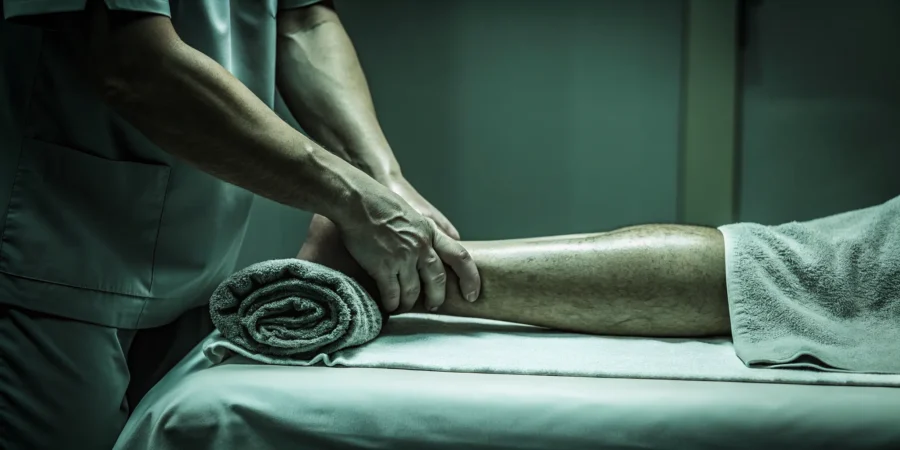
A career in therapeutic bodywork begins with a deep dive into the science of human movement. You must learn how the body functions before you can help it heal. This foundation allows you to provide lasting relief for your future clients.
Massage therapy courses offer the training needed to become a licensed professional in the wellness field. These programs focus on five main areas: how the body works, muscle movement, hands-on methods, professional rules, and how to run a business. Students spend many hours learning about bones and muscles so they can help people find relief from pain. They practice different styles of touch, such as light pressure and deep work on tight spots. These classes also teach students how to stay safe and follow the law while helping clients. Many schools also show students how to find jobs or start their own small shops after they graduate. This full plan helps new workers gain the skills they need to give good care. Students leave these programs ready to start a stable career helping others.
Choosing a school is the first major step in your new career path. You should know exactly what you will study before you start your professional training. To see What Does a Massage Therapy Curriculum Typically Include, the path begins with
Massage Therapy Courses: What Does a Massage Therapy Curriculum Typically Include?
Massage therapy curricula in the United States typically range from 500 to 650 hours of combined instruction, blending online theory with in-person practice. While individual programs vary, a standardized Massage Therapy Body of Knowledge (MTBOK) helps define the core competencies every entry-level therapist should master.
The Core Components
A well-rounded program covers four main areas of study. The first is foundational sciences, including anatomy, physiology, kinesiology, and pathology. These subjects give students a deep understanding of how the human body works and how to work with it safely. The second area is hands-on technique training. Students learn Swedish massage for relaxation and circulation, deep tissue work for chronic tension. Sports massage for athletic recovery, and specialized approaches like trigger point therapy and myofascial release. The DEEP ACADEMY curriculum, for example, includes all of these plus its proprietary DEEP Method, a fascia-first full-body system designed for lasting relief. The third area covers professional standards: ethics, scope of practice, hygiene, and client communication. Students learn how to maintain boundaries, protect client privacy under HIPAA, and operate within their legal scope as licensed therapists. The fourth area is business management. Many courses teach students how to start and run their own practice, covering record keeping, insurance, marketing, and scheduling.
How Programs Structure Their Hours
Most accredited programs split their hours between theory and practice. The DEEP ACADEMY uses a 50/50 model: 250 hours of live online instruction and 250 hours of hands-on, in-person training at their Austin locations. Other programs, like the U.S. Career Institute, offer 650 total hours with 450 hours of online theory and 200 hours of hands-on training. This balance ensures that graduates are not only knowledgeable but also confident and competent at the treatment table from day one.
The Science Foundation: Anatomy, Physiology, and Kinesiology
Massage therapy courses start with the science of the human body. This foundation is what separates therapeutic bodywork from simple relaxation massage and ensures every treatment is safe and effective.
Anatomy: Mapping the Body
Anatomy is the study of body structure. Students learn the precise location of every major bone, muscle, tendon, ligament, and organ. They study where muscles originate and insert, how they cross joints, and what actions they perform. This knowledge allows a therapist to find the exact source of a client’s pain rather than just rubbing the area that hurts. At the DEEP ACADEMY, anatomy is taught with a focus on the fascial system, the connective tissue network that runs throughout the body. Understanding fascia is central to the DEEP Method and is one of the key subjects that sets the curriculum apart.
Physiology: How the Body Works
Physiology covers how the body’s systems function together. Students learn about the circulatory system and how massage affects blood flow. They study the nervous system and how touch signals travel from the skin to the brain. They also learn about the lymphatic system and its role in reducing inflammation and flushing metabolic waste. This understanding helps therapists explain to clients why they feel certain sensations during and after a session. It also helps them tailor each treatment to the client’s specific needs.
Kinesiology: The Science of Movement
Kinesiology examines how the body moves. Students analyze gait, posture, and joint mechanics to identify movement patterns that may be causing pain or dysfunction. Often, the area that hurts is not the area that is causing the problem. Kinesiology training helps therapists trace the chain of compensation back to its root cause.
Pathology: Safety First
Pathology teaches students to recognize conditions that may make massage unsafe or require special adjustments. These contraindications include blood clots, active infections, severe osteoporosis, uncontrolled high blood pressure, and certain skin conditions. Knowing when not to work on a client is just as important as knowing how. A formal body of knowledge, like the MTBOK, helps standardize these safety protocols across the profession. This standardization is essential for gaining recognition and referrals from the medical community.
Massage Techniques and Modalities You Will Learn
Once you master the science of the body, you move into the hands-on work that defines your career. Massage therapy courses teach a wide range of techniques and modalities, each suited to different client needs and therapeutic goals.
Swedish Massage
Swedish massage is the foundation of most Western massage training. It uses long, flowing strokes, kneading, and circular movements to promote relaxation, improve circulation, and ease superficial muscle tension. Every student learns this modality first because it builds essential skills in pacing, pressure control, and client communication.
Deep Tissue and Sports Massage
Deep tissue massage targets the deeper layers of muscle and fascia. Students learn to use slower strokes and deeper pressure to release chronic tension patterns. Sports massage adds an athletic focus, helping athletes prepare for competition, recover after events, and maintain flexibility during training. The DEEP ACADEMY emphasizes deep tissue and sports massage as core components of its curriculum. These modalities align with the DEEP Method’s focus on therapeutic outcomes for active individuals. For students specifically interested in this track, a sports massage therapist school program provides focused training in athletic recovery techniques.
Trigger Point Therapy
Trigger points are tight knots in muscle fibers that can refer pain to other parts of the body. Students learn to locate these points using palpation and client feedback, then apply targeted pressure to release them. This technique is especially valuable for treating chronic pain conditions like tension headaches, neck stiffness, and lower back pain.
Fascia-Focused Techniques
Fascia science is an increasingly important part of modern massage education. The DEEP ACADEMY places special emphasis on the fascial system, teaching students how to work with this connective tissue network to achieve lasting structural change. The DEEP Method uses a warming technique followed by deep tissue work and trigger point therapy to release the fascia and help the body reset.
Specialized Modalities
Most programs also cover chair massage for corporate and event settings, pregnancy massage for expectant mothers, and hydrotherapy for enhanced therapeutic results. These modalities expand a therapist’s skill set and open additional career opportunities.
Clinical Massage Therapy and Therapeutic Applications
Clinical massage therapy is a distinct branch of the profession focused on achieving measurable therapeutic outcomes rather than general relaxation. Massage therapy courses that include clinical training prepare students to work with clients who have specific diagnoses, chronic pain conditions, or rehabilitation needs.
What Makes Clinical Massage Different
Clinical massage uses assessment, treatment planning, and outcome tracking. Students learn to take a thorough client history, perform postural and range-of-motion assessments, and design treatment protocols based on clinical findings. This approach mirrors the way physical therapists and chiropractors structure their care. The Science of Massage Institute, for example, requires 16 hours of medical massage theory. 8 hours of technique training, and 72 hours of hands-on clinical application for its certification program. Students work through specific protocols for conditions like sciatica, thoracic outlet syndrome, TMJ dysfunction, and chronic lower back pain.
Clinical Training at the DEEP ACADEMY
At the DEEP ACADEMY, clinical massage therapy is integrated throughout the 500-hour program. Students learn to apply the DEEP Method in a clinical context, using their knowledge of anatomy, physiology, and pathology to adapt each session to the client’s specific needs. The program’s clinical massage training program emphasizes critical thinking and independent clinical reasoning, skills that are essential for treating complex cases.
Building Referral Relationships
One of the goals of clinical massage training is to prepare therapists to work alongside medical professionals. When a therapist can speak the language of healthcare and demonstrate measurable outcomes, physicians are more likely to refer patients for massage therapy. This integration with the broader medical community elevates the profession and expands career opportunities for graduates.
Ethics, Business Practices, and Professional Standards
Massage therapy courses teach far more than technique. Professional ethics and business management are core components of every reputable program, and they are essential for building a sustainable career.
Professional Ethics and Scope of Practice
Ethics classes cover boundaries, confidentiality, informed consent, and professional conduct. Students learn the Massage Therapy Body of Knowledge standards that define what a licensed therapist can and cannot do. This scope of practice protects both the therapist and the client by preventing unqualified treatment of medical conditions. HIPAA compliance is another key topic. Students learn how to protect client records, maintain privacy during sessions, and handle sensitive health information properly. These skills are non-negotiable for anyone working in a healthcare-adjacent field. The DEEP ACADEMY incorporates ethics training throughout its curriculum, ensuring that every graduate understands the professional standards expected of an AUSTINDEEP team member.
Business Management and Entrepreneurship
Many massage therapists eventually run their own practices. Business courses teach students how to handle record keeping, billing, insurance reimbursement, marketing, and client retention. Even therapists who work for established clinics benefit from understanding how the business side of massage operates. Students learn practical skills like setting up a treatment space that meets health code requirements. Managing a booking schedule, and communicating the value of therapeutic bodywork to potential clients.
The Value of Professional Standards
Standardized education and ethical guidelines help the massage profession gain acceptance from the medical community. When every program follows a consistent body of knowledge, doctors feel more confident referring patients. This ongoing professionalization creates better outcomes for clients and more opportunities for therapists.
MBLEx Preparation and State Licensing Requirements
Passing the MBLEx is the final step to get your license for bodywork. Most states in the U.S. use this test to check if you are ready to work. Our massage therapy courses help you learn what you need to pass and start your career.
What Is the MBLEx?
The Massage and Bodywork Licensing Examination (MBLEx) is the top test used in 44 states and the District of Columbia. It checks what you know about the body and how to treat it. The FSMTB runs this test to make sure new therapists are safe and ready.
The test covers many key topics. You will answer questions on anatomy, kinesiology, and pathology. You also need to know about ethics and how to run a business. A good school will teach you all of these parts so you feel ready.
Texas Licensing Rules
To work in Texas, you must follow the rules set by the state. You need to finish at least 500 hours of training at a licensed school. This is a common rule in many other states as well. Once you finish your hours, you can sign up for the MBLEx.
You must also pass a background check before you can get your license. The DEEP ACADEMY 500-hour program meets all of these needs. We make sure you have the skills to work as a pro in Austin. If you are ready to start, you can enroll in massage therapist school now.
Study Tips and Prep
Preparing for the exam takes time and focus. It helps to use a study guide to review what you learned in class. You should focus on the areas where you feel weak. Group study and practice tests can also help you feel more sure of yourself.
Our program is built to match the test goals. We use the latest facts to help you learn fast. When you finish our course, you will be ready to sit for the test. We want every student to pass and start their new job with confidence.
How the DEEP ACADEMY Structures Its 500-Hour Massage Therapy Program
The DEEP ACADEMY in Austin, Texas offers a complete 500-hour massage therapy program that combines online learning with intensive hands-on training. It is a licensed and accredited Texas massage school designed to prepare students for the MBLEx and a career as a professional massage therapist.
Program Structure: 50/50 Split
The program is divided evenly between online and in-person instruction. Students complete 250 hours of live, online cohort-based learning that covers anatomy, physiology, kinesiology, pathology, ethics, and business practices. The remaining 250 hours are hands-on training at the DEEP ACADEMY’s Austin facilities, where students practice techniques under the guidance of experienced instructors. This 50/50 split ensures that students build both theoretical knowledge and practical confidence. By the time they graduate, they have completed hundreds of hours of supervised practice on real clients.
20-Week Intensive Format
The DEEP ACADEMY runs on a 20-week cohort model. Students move through the program together, building a professional network and supporting each other through the learning process. The cohort format includes group activities, peer feedback, and collaborative study sessions. Guest speakers from the industry, including experienced AUSTINDEEP therapists, contribute to the learning experience. Instructors are with students every step of the way, providing real-time feedback and guidance.
Free Tuition Model
One of the most remarkable aspects of the DEEP ACADEMY is its tuition model. The program is completely free for accepted students. The only cost is a $100 student kit fee. This stands in contrast to the industry standard of $5,000 to $15,000 for comparable massage therapy programs.
| Comparison | DEEP ACADEMY | Industry Average |
|---|---|---|
| Total hours | 500 hours | 500-650 hours |
| Tuition cost | Free ($100 kit fee) | $5,000-$15,000 |
| Program length | 20 weeks (full-time) | 6-12 months |
| Online theory | 250 hours (live cohort) | Varies |
| Hands-on training | 250 hours | 200-250 hours |
| Employment pathway | Guaranteed interview | Self-directed |
| Starting pay | $40/hour + tips | $25-$35/hour |
The free tuition model reflects the DEEP ACADEMY’s role as a talent pipeline for AUSTINDEEP. Graduates who pass the MBLEx have the opportunity to join the team, starting at $40 per hour plus tips. With benefits including medical insurance, paid time off, paid holidays, and free bodywork. The DEEP ACADEMY is more than a school: it is the starting point for a career in Austin’s premier therapeutic bodywork practice. To learn more, visit the DEEP ACADEMY page and explore the upcoming cohort dates.
Frequently Asked Questions About Massage Therapy Courses
What qualifications do you need to become a massage therapist?
To become a licensed massage therapist, you must complete a state-approved training program (typically 500 to 650 hours in the US). Pass the MBLEx licensing exam, and meet any additional state requirements such as a background check. A high school diploma or GED is required to enroll. No prior massage experience is needed to start most programs.
How long is a typical massage therapy school program?
Most programs run between 20 weeks and 12 months, depending on the total hours required and whether you attend full-time or part-time. The DEEP ACADEMY offers a 20-week intensive format with 500 total hours. Some programs extend to a full year to accommodate part-time schedules.
What topics are covered in massage therapy courses?
Massage therapy courses cover anatomy and physiology, kinesiology, pathology, Swedish and deep tissue massage, clinical techniques, trigger point therapy, ethics and professional standards, business practices, and MBLEx preparation. Many programs also include specialized topics like sports massage, pregnancy massage, chair massage, and fascia science.
Are there online options for massage therapy training?
Yes, many programs now use a hybrid model that combines online theoretical instruction with in-person hands-on training. The DEEP ACADEMY uses a 250-hour online, live cohort-based component plus 250 hours of in-person training. Pure online programs exist but typically cannot replace the hands-on hours required for state licensure.
What is the difference between massage therapy certification and licensure?
Certification is a credential from a private organization or school that confirms you completed a specific program. Licensure is a legal requirement from your state to practice massage therapy. Most states require you to pass the MBLEx and hold a valid state license. Certification alone is not sufficient to practice legally.
How much does massage therapy school cost?
Costs vary widely. The DEEP ACADEMY offers tuition-free education for accepted students, with only a $100 kit fee. Traditional programs typically cost between $5,000 and $15,000. Some programs offer payment plans, financial aid, or scholarships.
Ready to Start Your Massage Therapy Career?
The DEEP ACADEMY is now accepting applications for upcoming cohorts in Austin, Texas. You can complete your 500-hour massage therapy training tuition-free while learning the industry-leading DEEP Method from experienced instructors. Upon graduation and MBLEx licensure, you will have the opportunity to join the AUSTINDEEP team with competitive pay, benefits, and a supportive professional community.
Apply Now to the DEEP ACADEMY to secure your spot in the next cohort.