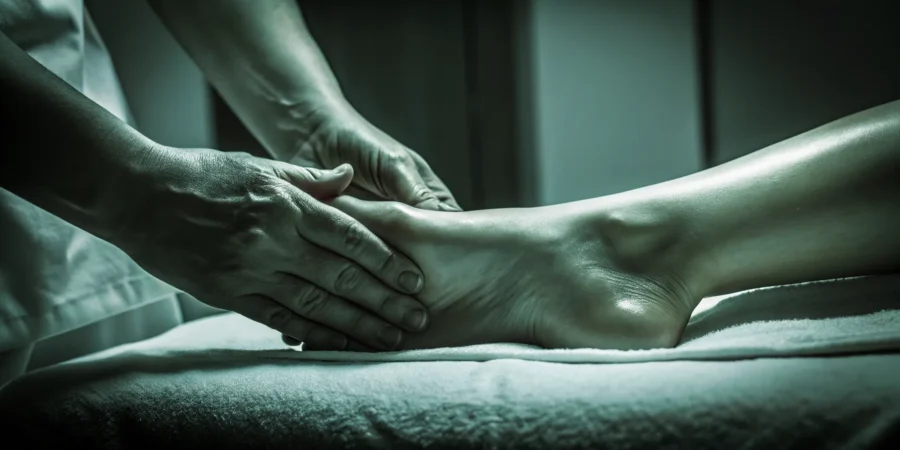
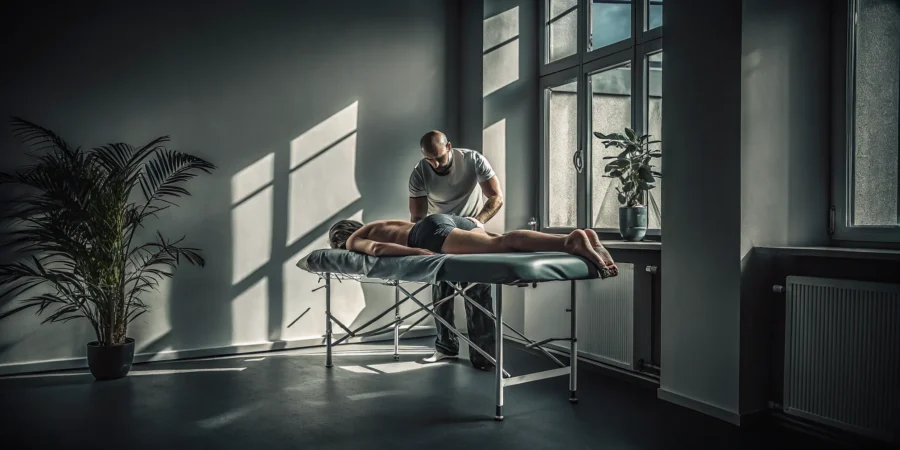
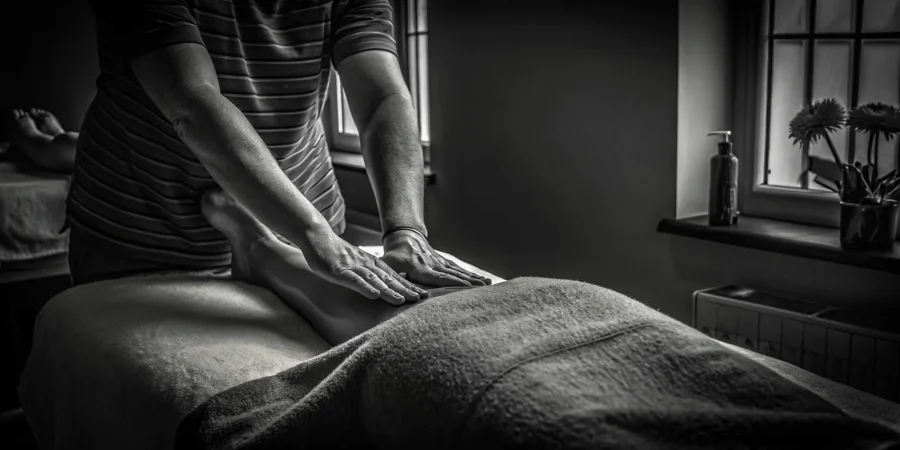
Persistent hip tightness that makes every step feel heavy signals deep fascial blocks. This type of held tension needs a clinical approach rather than a standard relaxing massage.
Ready to release deep tension? Book your DEEP Method™ session online to restore your joint mobility today.
An expert hip massage targets deep fascial blocks and muscle tension to restore movement and provide lasting relief. This clinical approach uses the DEEP Method to combine warming, deep tissue work, and trigger point therapy for clear results. Experts work the glutes, hip flexors, and outer rotators to help the body reset after long hours of work or hard training. Research shows that massage therapy has good links with pain relief for many muscle and joint conditions (PubMed). This focused care helps you return to daily life without the constant pull of tight muscles. Regular body care helps stop injury before it starts and ensures your body keeps up with your active lifestyle. At AUSTINDEEP, we focus on these deep issues to provide the lasting results you need to stay mobile and resilient.
Finding relief starts with knowing how these physical blocks form in your body. This knowledge helps you take control of your recovery and stay active. We will look at the specific parts that cause your pain in Why Your Hips Feel Tight: The Fascial and Muscle Connection. The path begins with…
Why Do Your Hips Feel So Tight? The Fascial and Muscle Connection
Tight hips stem from shortened muscle fibers and sticky, bound fascia. Prolonged sitting and hard training lock your joints into chronic tension, requiring targeted therapy to reset.
Most people think hip tightness is just a muscle problem. You sit at a desk or train hard, and your hips start to ache. But the cause often goes deeper. It has a full system of tissue that links your body. When you feel a pull in your front, it is often a sign that your body is holding onto stress. To find real relief, you must look at both the muscles and the thin web of tissue around them.
How Fascia Affects Hip Movement
Fascia is a thin layer of tissue that wraps around every muscle and bone. It is like a tight suit that keeps everything in place. When you stay in one spot, this tissue can get sticky and stiff. A simple stretch often does not fix it. The fascia needs to be softened and moved. At AUSTINDEEP, we focus on myofascial release for tight hips to help this tissue let go. This helps the body reset so relief lasts longer.
When fascia gets tight, it creates a chain effect through your body. A pull in your hip can lead to a dull ache in your back or pain in your knee. Your body works as one large unit. If one part is stuck, the rest of the system has to work harder. Breaking this cycle is the key to lasting relief. A targeted hip massage can help break up these sticky spots and get you moving again without pain. It is a needed part of any body care plan for active people.
Key Muscle Groups and the Full-Body System
Your hips have some of the strongest muscles in your body. The glutes, hip flexors, and rotators work together to move your legs and keep you stable. The psoas and iliacus are deep muscles that get tight from sitting. When these stay short, they pull on your spine and tilt your pelvis. This creates a tug-of-war that leaves you feeling stiff. Research shows that massage therapy can help with musculoskeletal pain by targeting these deep tissues.
Your glutes and rotators also affect how your hips feel. If your glutes are weak, other muscles must do their job. This leads to stress in the front of your hip. A good healing plan looks at the whole hip area, not just one spot. By treating the hips as a full-body system, you can reset the tension and help the body mend. This method helps the relief last. When every muscle works together, you can perform at your best.
Stress also shows up in the hips. The body stores tension in the deep rotators when you are under pressure. This bodily response can make your hips feel locked or stuck. A clinical way to look at hip tightness finds these patterns to reach the root cause. By mixing deep work with knowing how you move, we can help you find lasting ease. Steady care is needed for those who train hard or work long days.
- Sitting for long hours keeps the hip flexors in a short, tight state.
- Hard training can cause small tears in the muscle that lead to knots.
- Daily stress often shows up as bodily tension in the deep rotators.
- A lack of movement causes the fascia to become stiff and stuck.
What Are the Real Benefits of Focused Hip Massage for Active Lifestyles?
Focused hip massage restores movement, reduces chronic stiffness, and prevents athletic injuries by releasing sticky fascia and speeding up recovery.
Keeping hip health in top shape is vital for anyone who trains hard or sits for long hours. A hip massage helps restore movement by reaching the thick layers of tissue around the joint. This focused work targets the fascia to help the body reset and find lasting relief from deep stress. It is not just about feeling good now, but about making sure your body keeps up with your life.
Many active people in Austin deal with tight hips from running, cycling, or working at a desk. The DEEP Method uses a fascia-first way to reach deep into the muscle layers. This method releases held stress so you can move with more ease and less pain. It works better than a simple spa rub because it treats the root of the problem.
Improve Joint Movement and Daily Flow
Tight hips can restrict your stride and make simple tasks feel like a chore. Understanding the benefits of deep tissue massage helps you see why clinical bodywork is so effective for breaking down sticky tissue that limits your range of motion. This allows the hip joint to move more freely during runs or daily walks. Better movement means you can squat deeper, run faster, and climb stairs without a struggle.
- Increases the range of motion in the hip joint.
- Helps align the pelvis for better posture.
- Reduces the pull on the lower back muscles.
- Improves your form during sports tasks.
When the hips are loose, the rest of the body can align better. This lowers the risk of pain in the lower back or knees. People who get regular hip work often find they have more power in their legs. It helps you stay agile and strong, no matter how busy your day gets.
Reduce Muscle Stiffness and Chronic Stress
Active people often carry stress in their glutes and hip flexors. Research shows that massage can help with musculoskeletal pain and muscle soreness. Unlike a spa visit, this healing work uses deep pressure to reach the root of the stiffness. It helps flush out waste and brings fresh blood to the area to speed up healing after a hard workout.
Stiffness in the hips can lead to a cycle of pain that is hard to break. Focused pressure helps the muscles relax and let go of chronic stress. This type of deep tissue therapy for hips is a key part of staying fit. It makes healing faster so you can get back to your training with less downtime.
Enhance Strength and Prevent Injuries
Steady body care is a smart way to stay on track with your fitness goals. You do not need to wait for an injury to get help. Getting deep tissue therapy for hips as an early move can find small issues before they become big problems. A short spot treatment is often enough to keep your body strong and ready for the next task.
The DEEP Method uses heat and trigger point work to address these specific needs. It is built for people who need their bodies to keep up with a busy life. Keeping your hips loose helps protect your knees and back from strain. By taking care of your body, you build a base for long-term health and movement.
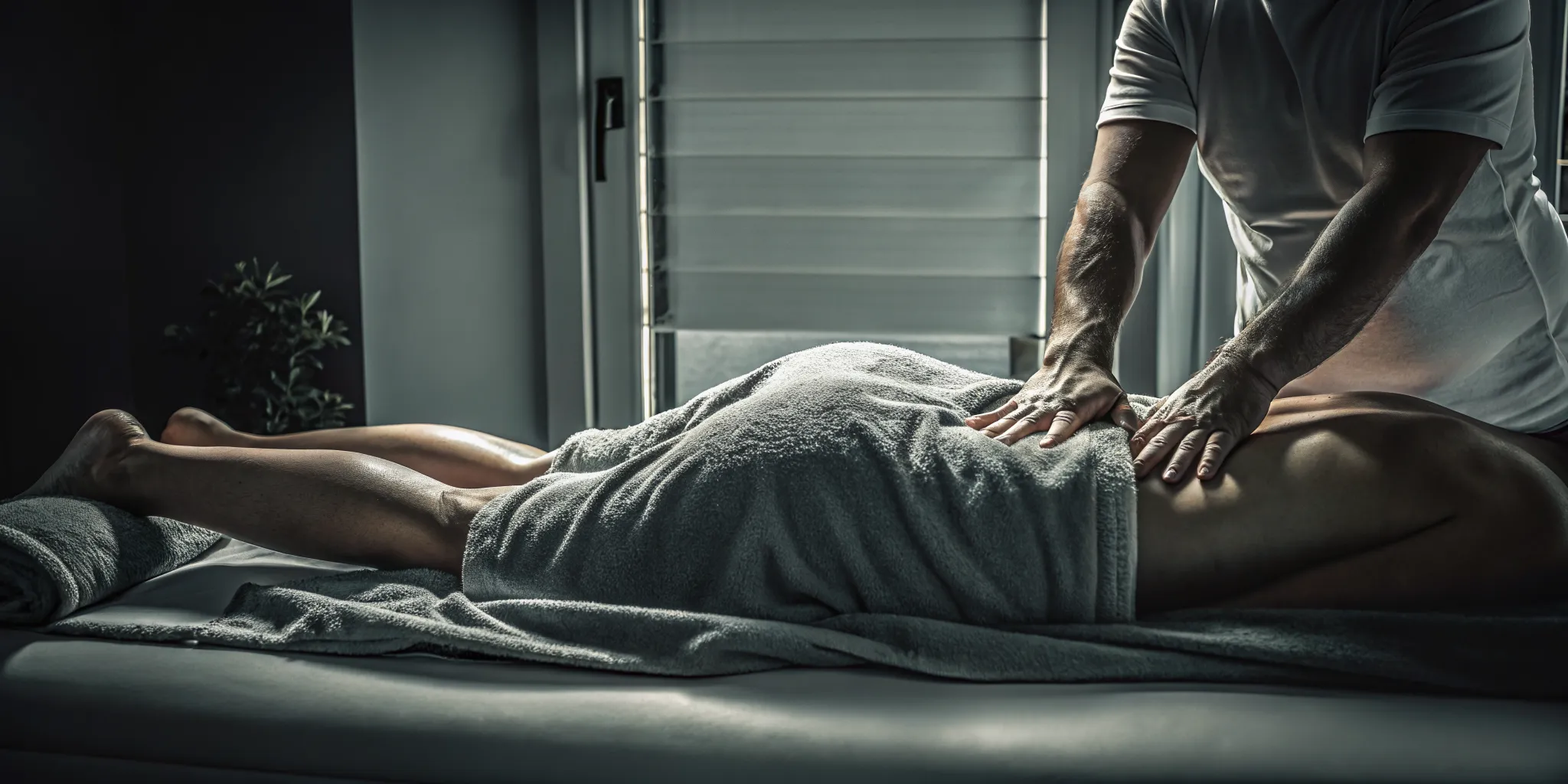
Which Specific Muscles Are Targeted During a Hip Massage?
A hip massage targets your deep hip flexors, glutes, and outer rotators to balance your pelvis, relieve nerve pressure, and ease lower back strain.
A focused hip massage does more than just relax your body. It focuses on the exact muscle groups that hold tension and limit your range of motion.
When these areas are tight, they can pull on your pelvis and lower back. This often leads to pain that feels like it comes from somewhere else.
By using the DEEP Method™, expert pros can find and release these deep tight spots. This helps your body move freely again and resets your posture.
The Deep Hip Flexors and Psoas
The hip flexors are a group of muscles near the front of your hip joint. The most well-known is the psoas. This muscle connects your lower spine to your upper leg.
Because it sits so deep, it is hard to reach with basic stretching. When you sit for long hours, the psoas stays in a short, tight spot. This pull on your spine is a common cause of lower back stress.
During a hip massage, a trained pro uses deep tissue work to reach these layers. They apply slow, firm pressure to help the muscle let go. This release can take the load off your spine almost right away.
Many people find that their back pain gets better once their hip flexors are no longer tight. Studies show that massage therapy is helpful for low back and body pain issues, including those that mimic nerve conditions. Our clients seeking trigger point therapy for sciatica in Austin often find that releasing the deep rotators resolves their pain entirely. If you feel a pinch in the front of your hip, scheduling a clinical massage in Westlake Hills or at our other Austin locations is the best way to address these deeper structural imbalances.
Gluteus Medius and Piriformis
The muscles on the side and back of your hip are just as needed. The gluteus medius helps steady your pelvis when you walk or run. If it is weak or tight, your gait changes.
This can lead to knee or ankle issues over time. The piriformis is a small muscle deep in the glutes. It sits right over the sciatic nerve.
When the piriformis gets tight, it can press on that nerve and cause sharp pain down your leg. Releasing these muscles helps restore proper pelvis alignment.
A focused hip massage can help by releasing stubborn muscle knots and breaking up tight fascial bonds in these specific zones. This work removes the pressure on the sciatic nerve and helps your hips stay level.
It is a key part of body care for anyone who trains hard or lives an active life. Steady work on these muscles helps you stay strong and avoid future injury.
How Hip Massage Improves Alignment
Pelvis alignment is vital for a healthy spine and core. When one side of your hip is tighter than the other, your pelvis can tilt. This tilt forces other muscles to work harder to keep you upright.
Over time, this causes wear and tear on your joints. A hip massage targets these uneven spots by working on both sides of the body with equal care.
By releasing the fascia around the hip joint, the pro helps your bones sit where they should. This reduces the strain on your tough bands and lets your core muscles engage more easily.
You will feel taller and more stable after a session. This type of healing bodywork is needed for long-term health. It ensures your body can keep up with the demands of your day without constant ache.
Comparing Self-Massage Tools with Professional Therapeutic Recovery
Foam rollers and massage guns offer short surface-level relief. In contrast, professional hands-on recovery uses precise pressure to release deep fascial blocks for lasting relief.
Many people use foam rollers or massage guns to fix hip pain at home. These tools can help you feel better for a short time. They are good for a daily routine to keep your body moving. But home tools often do not have the deep reach needed for a full myofascial release for tight hips. You might find that the relief from a ball or roller does not last as long as you want.
Why foam rollers and massage guns fall short
Self-care tools work by putting pressure on the top layers of your muscles. A foam roller can help with blood flow and minor stiffness. But these tools cannot find the exact spot where your fascia is stuck. When you have deep hip tightness, a blunt tool may miss the root cause. Using a hard ball can even lead to bruises if you press too hard on a bone. These tools treat the signs of pain but do not always fix the main issue.
Research shows that professional care has a strong link to less pain for many health issues. A systematic review of massage found moderate-certainty evidence for musculoskeletal pain. A trained expert knows how to find trigger points that a machine cannot feel. This leads to better results that help you stay active without constant hip aches. Professional hip massage can reach deep into the joint where a roller cannot go.
The targeted touch of the DEEP Method™
Professional therapy uses a focused way to reach deep tissue. At AUSTINDEEP, we use the DEEP Method™ to restore movement. This system starts with warming the tissue and then uses precise pressure. Unlike a massage gun that just hits the surface, a therapist feels the tension in your fascia. They can change their touch to match what your body needs in that moment. This human touch is key for a real change in how you move.
A machine follows a set path and does not know when to stop or push harder. A therapist can feel how a tight muscle is different from a stuck piece of fascia. They use their hands to pull and stretch the tissue in ways a tool cannot. This helps the body reset and keeps the relief from fading fast. A targeted hip massage turns a quick fix into a long-term plan for your health.
| Feature of Care. | Foam Roller Care. | Massage Gun Care. | DEEP Method™ Care. |
|---|---|---|---|
| Precision level. | This offers low precision. | This offers medium precision. | This offers high clinical precision. |
| Fascial depth. | This targets surface tissue only. | This targets skin deep layers. | This targets deep fascial structures. |
| Safety risk. | This has a low risk of injury. | This can cause some bruising. | This has a very low risk. |
| Cost structure. | This has a low direct cost. | This has a mid-range cost. | This is priced per clinical visit. |
| Results timeline. | This gives very short relief. | This gives short-term relief. | This gives lasting therapeutic relief. |
Building a plan for lasting relief
True recovery needs a mix of home care and professional help. You can use your tools to stay loose between visits. But for deep blocks that stop your movement, hands-on care is best. A professional can help you find where your body is holding stress. This path helps you build a body that can handle long days and hard training. It is the best way to keep your hips moving well as you age.
Think of self-massage as daily care, like brushing your teeth. Professional work is like a deep cleaning that keeps your body in top shape. Both are needed, but they do different jobs. When you combine them, you get the best results. You can stay active and pain-free while doing the things you love in Austin.
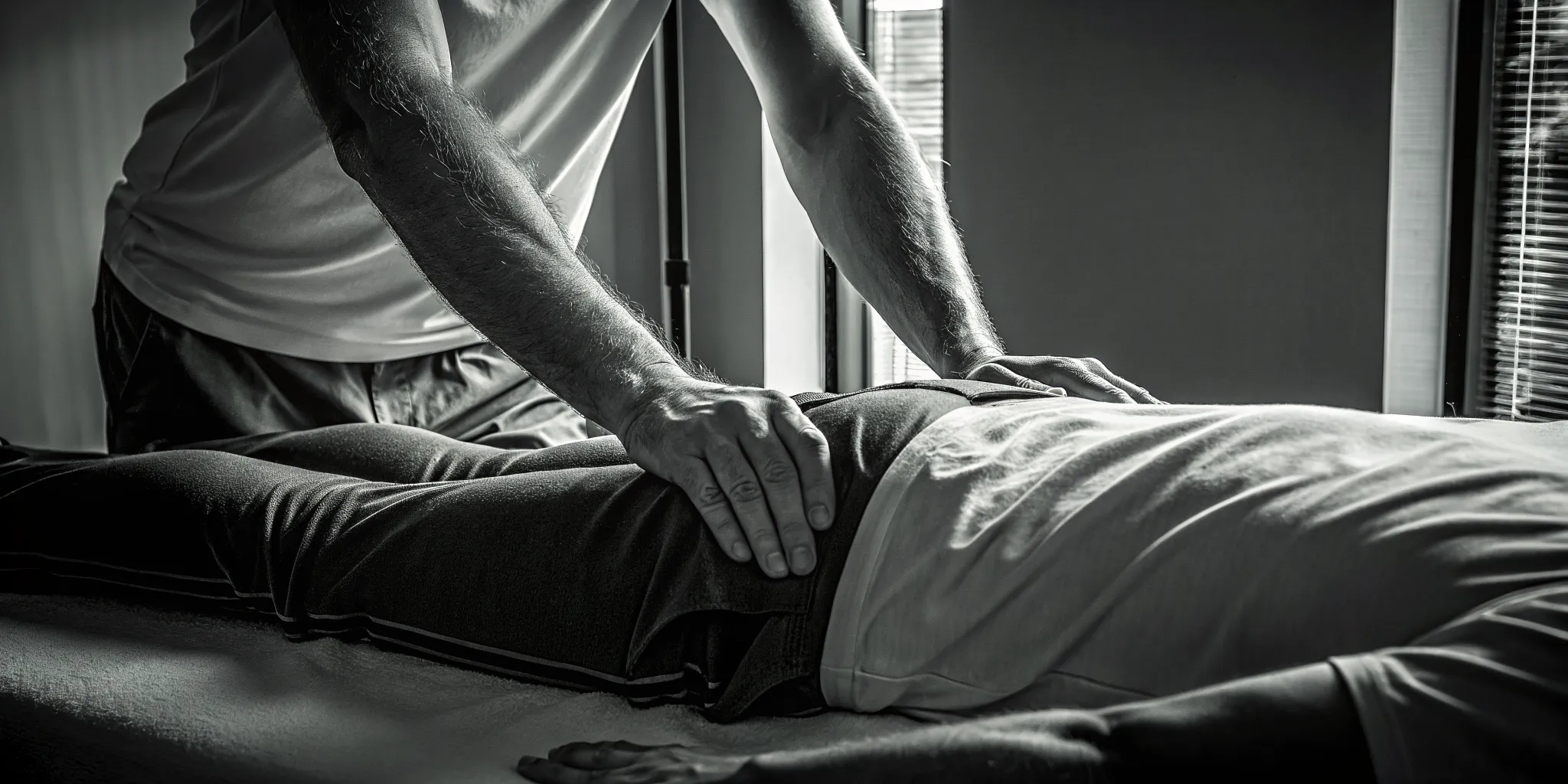
What to Expect: The DEEP Method(TM) Protocol for Hip Relief
The DEEP Method™ uses a clear, five-step process to warm the skin, release tight fascia, apply deep tissue work, and target stubborn trigger points.
The AUSTINDEEP path is not a typical spa visit. We use a set plan called the DEEP Method(TM) to help you find relief. Our team goes through deep training in our own school. This ensures that every myofascial release for tight hips follows the same high standard. You can get the same care at any of our three Austin sites.
A focused way to find relief
When you come in for a hip massage, we do more than just rub the skin. We use a clear plan to find where your body holds stress. Many who work long hours or train hard face hip stiffness. This often comes from fascial layers that have become stuck. Our goal is to break these bonds so your joints move with ease. Studies show that massage is a helpful tool for many types of pain.
If you have a busy day, you may not need a full hour. A 30-minute spot treatment is a smart choice for single areas like the hips. It gives us enough time to focus on the tight spots. This type of care helps you stay active and avoid injury. It is a good way to keep your body in top shape for your daily life.
The steps for hip relief
Our method follows a set of steps to get the best results for your hips. We start by prepping the tissue and then move to deeper work. This plan ensures we reach the root of the tension without causing too much stress.
- Warming the tissue. We use light moves to warm the skin and top muscle layers. This helps the fascia soften and prepares your body for deeper work.
- Fascial release. Our team uses firm pressure to stretch the fascial web. This step helps to unstick layers of tissue that limit how you move.
- Deep tissue work. We use slow, deep moves to reach the thick muscles in the hip. This deep tissue therapy for hips targets the areas where deep tension hides.
- Trigger point therapy. We find small, tight knots that can cause pain. By holding steady pressure on these spots, we help the muscle finally let go.
- Checking movement. We check how you move at the end of the session. This ensures the work has helped to free up the joint and that you feel balanced.
Care after your session
It is common to feel some soreness after a deep session. This post-massage soreness is normal and should fade in just a few days. It is a sign that your body is starting to heal and reset. If you feel sharp pain, you should tell your team, but a dull ache is part of the path.
Drinking plenty of water is a key part of your healing. Water helps to flush out waste that is freed during the deep work. It also keeps your fascia moist and soft. Drinking water helps to shorten your healing time and keeps your relief lasting longer. We want you to leave feeling ready to take on your day.
Frequently Asked Questions
Can massage help with tight hips?
Massage can be a very helpful tool for hip tension, and tight hips often involve fascial blocks that limit how you move. A focused hip massage uses deep tissue work to release these tight spots, which helps restore your full range of motion. Data on PubMed shows that massage therapy helps people manage pain, and regular bodywork keeps your joints loose.
What are the benefits of hip massage?
A focused hip massage offers many perks for active people, and it can lower stiffness to improve how well your joints move. This type of work also helps you recover faster after a hard workout by releasing held tension so you can walk with more ease. The main goal of this care is to boost your movement and build long term strength for those who train hard.
Can hip massage help with sciatic pain?
Yes, hip massage can often help with sciatic pain, which usually starts when a tight muscle presses on the sciatic nerve. Focused bodywork releases the tension in your glutes and outer hip muscles to take the pressure off the nerve. It is a smart way to get relief without using drugs, and consistent care helps keep the area loose.
Which muscles are targeted during a hip massage?
A hip massage targets several key muscle groups like your glutes, hip flexors, and outer hip rotators to get the best results. The process uses deep tissue work to reach the deep layers of muscle and fascia, while your therapist may also use trigger point therapy. This method helps your whole lower body feel more fluid and strong, which is vital for steady movement and better posture.
Ready to release hip tension with the DEEP Method?
Leaving hip tightness alone can cause lasting stress on your joints and limit how well you move. This held tension often gets worse if you keep training hard without taking time for a reset. You can avoid these painful problems by booking a targeted session with our team now. Our fascia-first method works to release deep blocks so you can move with ease and keep your body in peak shape. Taking action today means you will be back to full strength and movement much sooner than waiting for the pain to fade. Most clients feel the benefit of better strength right after their first visit to one of our three Austin locations. We have clinics in Lake Austin, Barton Creek, and Downtown to help you get the reset you need when you need it most.
Ready to schedule your DEEP Method session? Book your appointment online to start your path to lasting relief today.