
FAQ
What to Expect
The DEEP™ Method is a fascia-focused, restorative full body experience that quite literally goes deeper. A warming technique followed by deep tissue and trigger point therapy ensure that real progress is made, offering relief and release that go far beyond your “typical” deep tissue massage.
Enjoy the unmatched, restorative DEEP experience.
What to Expect
Your body has just gone through a rigorous workout, so soreness after your massage is completely normal and will typically fade within a few days. Staying hydrated is key as it helps your body flush toxins released during the massage as well as shortens recovery time.
Post Massage Soreness
It’s normal to experience some soreness after a deep tissue massage, similar to what you might feel after a good workout. This typically subsides within 24-48 hours. We recommend drinking plenty of water, gentle stretching, and allowing your body time to recover. The soreness is a sign that deep structural work was performed.
What to Wear
Fascia is a connective tissue that runs throughout the body providing structure, support, and ease of movement. Fascia is at the core of our training. It is key to enjoying a relatively pain free lifestyle and reducing inflammation in the body.
Cancellation Policy
We require at least 24 hours notice for cancellations or changes to your appointment. Cancellations made less than 24 hours in advance or no-shows will be charged the full service amount. We understand emergencies happen — please contact us as soon as possible if you need to reschedule.
Couples Massage
Enjoy the DEEP™ experience side by side with a partner, friend, or family member. Couples massages are available at all three locations. Each person receives the same high-quality DEEP Method™ treatment simultaneously in the same room. Book online or call your preferred location.
Arrival & Parking
Please arrive 10 minutes before your scheduled appointment to complete any necessary paperwork and settle in. Each of our three locations has convenient parking available. If you’re running late, please call ahead — we’ll do our best to accommodate you, but late arrivals may result in a shortened session.
Cancellation policy
Services you book are reserved especially for you, but we know life gets hectic. If you need to make a change, we require 24 hours notice. If you cancel or change your appointment within the 24-hours, you will be billed 50% of the service. If you fail to call or cancel your appointment before your start time, you will be billed 100%.
Insurance
We do not accept insurance as a form of payment, however we are happy to provide receipts for your visits that may be submitted to your provider if they offer any form of reimbursement.
What if my therapist isn’t available?
Fortunately for all of our clients, each AUSTINDEEP therapist undergoes the same intensive AUSTINDEEP training to ensure that the massage is standardized across the board. We understand that schedules are constantly fluctuating, so regardless of when you are available, we have therapists who are equipped to provide you with a consistent experience that reflects our high standard.


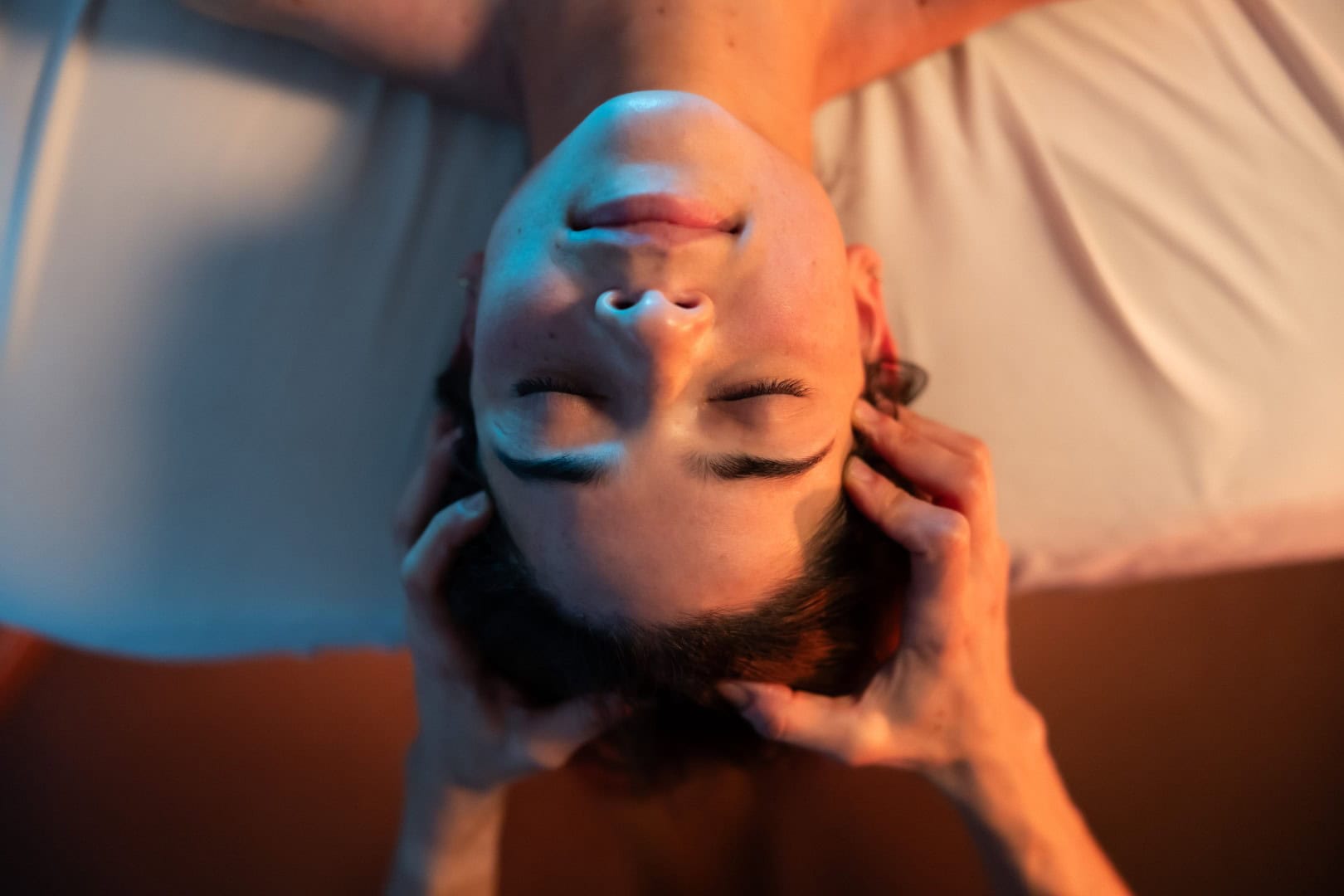
Deep Tissue Massage FAQ – Your Questions Answered
Straight answers about how the DEEP Method™ works, what to expect, and why it goes further than anything else in Austin.
Deep Tissue Massage
What You Need to Know
Deep tissue massage at AUSTINDEEP uses our proprietary DEEP Method™ — a fascia-first approach developed over 24 years. Unlike traditional massage that targets only surface muscles, we work through the connective tissue (fascia) where chronic tension and pain actually originate.
Every session follows the same three-phase protocol: warming preparation, systematic deep tissue work, and targeted trigger point therapy. That consistency means you get identical results regardless of which therapist you see or which of our three Austin locations you visit.
This is clinical-grade therapy, not spa relaxation. Expect significant pressure, some discomfort during treatment, and potential soreness the next day as your body adjusts to restored movement patterns.
Deep tissue massage is safe for the vast majority of adults. Our therapists are trained to assess your condition before every session and modify pressure accordingly. That said, it is not appropriate for everyone.
Avoid deep tissue work if you have:
- Active blood clots or deep vein thrombosis (DVT)
- Open wounds, burns, or skin infections in the treatment area
- Severe osteoporosis or bone fragility
- Recent surgery — consult your physician before booking
We do not offer prenatal massage. While we understand expectant mothers need relief, our training and method are optimized for deep tissue work, not prenatal care. We refer those clients to qualified prenatal specialists.
Back Pain Massage Therapy
Treating the Root Cause
Yes — back pain massage therapy is one of our core specialties. The DEEP Method™ is particularly effective for back pain because we address the entire kinetic chain, not just the area that hurts.
Most back pain is the result of compensation patterns — tight hips, restricted shoulders, or fascial adhesions that load the spine. Our back pain protocol addresses each layer:
- Assessment of postural imbalances that drive pain
- Release of deep spinal muscles including the multifidus and rotatores
- Treatment of fascial restrictions in the thoracolumbar fascia
- Correction of hip and shoulder dysfunction that loads the back
Clients typically experience significant improvement within 2–3 sessions, with long-term relief building over 6–8 treatments as movement patterns normalize.
Most clients feel a meaningful difference after their first session. However, lasting relief from chronic back pain typically requires a consistent series of treatments. Here is what to realistically expect:
- Session 1–2: Initial release, reduced acute tension, improved range of motion
- Session 3–4: Compensation patterns begin to unwind, pain frequency decreases
- Session 5–8: Structural change takes hold, relief becomes self-sustaining
Think of back pain massage therapy the same way you think about training — one workout improves your mood, but consistent work changes your body. The same principle applies here.
Trigger Point Massage
Precision Relief for Stubborn Pain
Trigger point massage is most effective for referred pain patterns and chronic tension that hasn't responded to general massage. Our therapists are trained to identify these points through palpation and deactivate them with sustained, targeted pressure.
Common conditions we treat:
- Tension headaches and migraines originating from neck trigger points
- Shoulder blade pain with arm numbness or tingling
- Hip pain that refers down the leg (often misread as sciatica)
- Chronic neck stiffness that limits rotation
- Jaw pain and TMJ dysfunction
Results from trigger point massage are often immediate and significant. Many clients notice a dramatic reduction in pain within the first session — not because we masked it, but because we removed the source.
Myofascial Release & Sports Massage
Specialized Therapy for Complex Needs
Myofascial release therapy is the right choice for complex, whole-body pain patterns that haven't responded to traditional approaches. Consider it if you experience:
- Multiple pain areas that seem disconnected or "move around"
- Chronic conditions like fibromyalgia or chronic fatigue syndrome
- Post-surgical adhesions or scar tissue restrictions
- Whole-body stiffness that compounds over time
Unlike targeted deep tissue massage, myofascial release therapy treats the fascial system as a single interconnected web. A restriction in your hip can create a chain reaction up through your spine and into your neck. This work addresses the full pattern — not just the loudest pain signal.
Sessions involve sustained holds and gentle stretching rather than aggressive pressure, making this approach appropriate for sensitive presentations that can't tolerate deep work.
For post-event recovery, we recommend booking 24–48 hours after intense training or competition. This window allows acute inflammation to settle while preventing delayed-onset muscle soreness (DOMS) from locking into chronic tension.
Our sports massage therapists tailor every session to your sport and demands:
- Endurance athletes: Clearing metabolic waste and restoring tissue circulation
- Strength athletes: Fascial release and trigger point deactivation in overworked muscle groups
- Team sport athletes: Combined approach addressing both impact trauma and repetitive overuse
For pre-event preparation, schedule 2–3 days before competition. Work done too close to race or game day can introduce temporary soreness that affects your output.
Ready to Feel the Difference
Stop Managing Pain. Start Resolving It.
Three Austin locations. Same method. Real results — every single time.