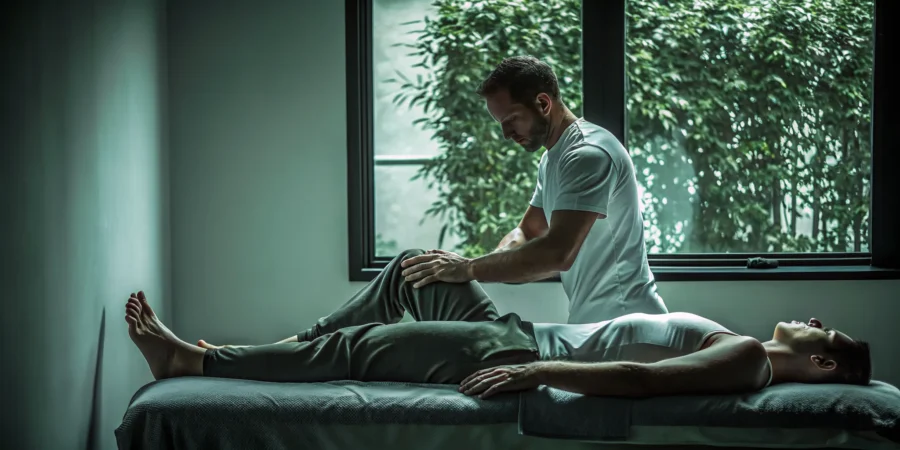
You can’t fix a problem without addressing its source. For many injuries and chronic pain patterns, that source lies in the fascia—the web of connective tissue that wraps around every muscle and organ. When this tissue becomes tight and restricted, it pulls on your body, causing pain and limiting movement. A truly effective injury recovery massage Rollingwood must focus on this foundational layer first. By releasing fascial adhesions, a skilled therapist can restore proper circulation, allow muscles to relax, and create the space your body needs to heal correctly. This fascia-first approach is the key to unlocking lasting relief and getting you back to moving with freedom and confidence.
Key Takeaways
- Injury recovery massage is goal-oriented work: Unlike a general relaxation massage, this is a clinical treatment designed to fix a specific problem. It focuses on the root cause, such as restricted fascia and scar tissue, to improve circulation and help your body heal correctly.
- Look for specialized training and a consistent method: The right therapist makes all the difference. For real results, you need a professional with advanced training who uses a proven system to address the underlying mechanics of your pain, not just the symptoms.
- Consistency is the key to lasting change: Think of bodywork as essential maintenance rather than a one-time fix. Regular sessions are crucial for managing pain, preventing future injuries, and supporting your body’s long-term health and resilience.
What Exactly Is an Injury Recovery Massage?
When you’re dealing with an injury, the goal isn’t just to relax, it’s to heal. An injury recovery massage is a targeted therapeutic treatment designed to do exactly that. Unlike a general full-body massage you might get at a spa, this type of work focuses on a specific problem, whether it’s a nagging running injury, a stiff neck from sitting at a desk, or a muscle strain from the gym. It’s a hands-on approach to understanding and addressing the root cause of your pain to help your body repair itself correctly and efficiently.
Think of it as essential maintenance for your body. The therapist uses specific, advanced techniques to work on the muscles, tendons, and connective tissues involved in your injury. The objective is to reduce pain, improve circulation, break down scar tissue, and restore movement so you can get back to your life. Our therapeutic services are built around this principle: providing structured, consistent work that delivers real, lasting relief. It’s less about temporary pampering and more about long-term resilience.
How It’s Different From a Regular Massage
The biggest difference between an injury recovery massage and a regular massage comes down to intent. A relaxation massage aims to soothe your nervous system and provide general stress relief with flowing, gentle-to-medium pressure. It feels great, but it’s not designed to fix a specific biomechanical issue. An injury recovery massage, on the other hand, is clinical and goal-oriented. Your therapist will assess your condition and apply precise techniques to the affected areas. The pressure can be deep and focused, targeting adhesions and trigger points to release chronic tension and facilitate healing in the soft tissues.
Why We Focus on Fascia First
You can’t effectively treat an injury without addressing the fascia. Fascia is the web of connective tissue that wraps around every muscle, bone, and organ in your body, holding everything in place. When you experience physical trauma or chronic stress, this tissue can tighten, thicken, and become restricted, pulling on your muscles and joints and causing pain and stiffness. By focusing on the fascia first, we release that foundational layer of tension. This allows for better blood flow, helps the muscles underneath relax, and creates the space your body needs to heal properly. It’s why our therapists receive extensive, in-house fascia-focused training; it’s the key to creating change that actually lasts.
How Massage Speeds Up Your Injury Recovery
When you’re sidelined by an injury, your first thought is probably, “How quickly can I get back to normal?” Your body has an incredible capacity to heal itself, but sometimes it needs a helping hand. An injury can disrupt your body’s systems, leading to poor circulation, inflammation, and protective muscle guarding that can actually slow down your recovery. This is where targeted, therapeutic massage comes in. It’s not just about feeling good for an hour; it’s a strategic tool that works with your body’s natural healing processes to get you back on your feet, faster.
Think of it as essential maintenance for your body’s recovery engine. By manually manipulating the soft tissues, a skilled therapist can help clear the way for healing to happen more efficiently. This process helps reduce the inflammation that causes pain and swelling, breaks down restrictive scar tissue before it becomes a long-term problem, and releases the chronic muscle tension that can develop around an injury site. Our DEEP Method™ is designed specifically for this purpose. It’s a systematic approach that addresses the root cause of dysfunction, helping you not only recover from your current injury but also build resilience against future ones. It’s about restoring function so you can get back to your life, your workouts, and everything you love to do.
Speed Up Tissue Repair with Better Circulation
After an injury, one of the most important things your body needs is good circulation. Blood flow delivers the oxygen and nutrients your tissues need to rebuild and repair themselves. However, swelling and muscle tightness can create roadblocks, slowing this vital supply chain. Therapeutic massage helps get things moving again. The targeted pressure works to manually increase blood flow to the injured area, ensuring your cells get the resources they need to heal effectively. This enhanced circulation also helps flush out metabolic waste and reduce the inflammation that contributes to pain and stiffness, creating the ideal environment for a faster, more efficient recovery.
Break Down Scar Tissue and Improve Flexibility
Scar tissue is a normal and necessary part of the healing process, but it can cause problems down the line. When your body forms scar tissue, the new collagen fibers can lay down in a disorganized, tangled way, creating adhesions or “knots.” These adhesions can restrict movement, reduce flexibility, and even cause pain long after the initial injury has healed. A skilled therapist can use specific techniques to break down these adhesions and encourage the new tissue to align properly. This helps maintain your flexibility and ensures your muscles and fascia can glide smoothly, preventing the long-term stiffness that can hold you back from your peak performance.
Find Lasting Relief from Muscle Tension and Pain
Pain is your body’s alarm system, but it can sometimes get stuck in the “on” position. When you’re injured, the muscles around the area often tighten up to guard and protect it. While helpful at first, this chronic tension can lead to a cycle of pain and stiffness that outlasts the injury itself. Therapeutic massage provides powerful, lasting relief by directly addressing this muscular holding pattern. It helps release trigger points, calm overactive muscles, and stimulate the release of your body’s natural painkillers, like endorphins. This allows you to find genuine comfort and book a session to start your journey toward pain-free movement.
Get Your Full Range of Motion Back
An injury doesn’t just cause pain; it steals your freedom of movement. The combination of pain, swelling, and scar tissue can make it difficult to move a joint through its full, natural path. This limited range of motion can affect everything from your workout form to your ability to perform simple daily tasks. Injury recovery massage is key to restoring that mobility. By breaking down restrictive scar tissue and releasing tight muscles, massage helps you regain the flexibility you lost. This work is essential for restoring proper biomechanics, preventing compensatory movements that can lead to other injuries, and getting you back to moving with confidence and strength.
Support Your Mental Recovery, Too
Dealing with an injury is as much a mental battle as it is a physical one. The frustration of being unable to train, work, or live your life normally can be incredibly stressful. This mental strain can increase cortisol levels and tension throughout your body, which can interfere with the healing process. Massage therapy offers a powerful way to support your mental recovery. The therapeutic touch helps calm your nervous system, reduce stress, and create a sense of well-being. This isn’t just about relaxation; it’s about giving your mind a break so your body can focus its energy on healing. It’s a way to care for your whole self during a challenging time.
What Types of Injuries Does Massage Help?
Therapeutic massage is a powerful tool for a wide range of physical issues, whether you’re dealing with a sudden injury, a nagging chronic problem, or the stress of daily life. It’s not just about feeling good for an hour; it’s about creating real, lasting change in your body’s tissues. By targeting the root cause of your pain, we can help your body heal more effectively and build resilience against future injuries. From acute sprains to the postural strain of a desk job, targeted bodywork can make a significant difference in your recovery and overall function. Our work is designed to address the underlying problem, not just the symptoms, so you can get back to moving and feeling your best.
Sprains, Strains, and Muscle Tears
If you’ve ever rolled an ankle or pulled a hamstring, you know how frustrating these soft tissue injuries can be. The pain, swelling, and loss of function can sideline you for weeks. Therapeutic massage can be a key part of your comeback plan. By applying specific techniques, a skilled therapist can help reduce pain and improve function in the injured area. This is done by increasing blood flow, which delivers more oxygen and nutrients to the damaged tissues, and by helping to flush out inflammatory byproducts. This process supports your body’s natural healing mechanisms, helping you get back on your feet faster and with less discomfort.
Repetitive Strain and Overuse Injuries
From tennis elbow to tech neck, repetitive strain injuries are incredibly common, especially for people who train hard or spend long hours in the same position. These issues occur when repeated motions cause micro-trauma to your muscles, tendons, and fascia, leading to pain and inflammation. This is where targeted bodywork becomes essential. A therapist can focus on releasing the specific tissues that have become tight and overworked, helping to restore balance and relieve pressure. By addressing the underlying tension, massage can help with many types of injuries, especially those caused by overuse, allowing the area to finally heal and function properly again.
Chronic Tension, Neck Pain, and Postural Stress
That persistent ache in your neck, the tightness across your shoulders, and the headaches that seem to come from nowhere are often the result of chronic tension and postural stress. Sitting at a desk, carrying stress in your body, or even just looking down at your phone can cause deep layers of muscle and fascia to become rigid and stuck. Our DEEP Method™ is designed specifically for this. We work systemically to release the fascial restrictions that contribute to chronic pain and muscle tension. This isn’t just a surface-level fix; it’s about unwinding patterns of holding so you can find lasting relief and move with more freedom.
Lower Back Pain, Sciatica, and Sports Injuries
Lower back pain is one of the most common reasons people seek out therapeutic massage, and for good reason. Whether it’s a dull, constant ache from a sports injury or the sharp, radiating pain of sciatica, targeted bodywork can offer immense relief. Many times, lower back pain is caused by tightness in surrounding areas like the glutes, hips, and hamstrings. A knowledgeable therapist can identify and release these contributing factors, taking pressure off your lumbar spine and sciatic nerve. As part of a complete recovery plan, massage is incredibly beneficial for reducing pain and tension, helping you manage your symptoms and address the root of the problem.
Post-Surgical Recovery and Scar Management
Recovering from surgery is a complex process, and what you do after the procedure is just as important as the surgery itself. Therapeutic massage can play a vital role in your rehabilitation. In the initial stages, it can help reduce swelling and improve circulation around the surgical site. Later, as you heal, a therapist can work on the scar tissue that forms. Without proper attention, scar tissue can become dense and restrictive, limiting your range of motion and causing pulling or pain. Skilled medical massages can aid in injury recovery by carefully manipulating this tissue, helping it become more pliable and integrated with the surrounding fascia for better movement and less long-term restriction.
Your First Injury Recovery Session: What to Expect
Walking into your first injury recovery session can feel like a big step, especially when you’re dealing with pain. You want relief, and you want to know you’re in the right hands. At AustinDeep, every session is built on a proven structure, so you know exactly what you’re getting: consistent, targeted work designed for real, lasting results. This isn’t a spa day or a one-off luxury treatment. We see this work as essential maintenance for your body, just like movement and proper sleep. It’s for people who need their bodies to keep up with the demands of their life, whether that’s training hard, working long hours, or managing chronic stress.
Knowing what happens during your appointment can help you relax and get the most out of the experience. From the initial assessment to the hands-on work, each part of the session is designed to address your specific injury and help your body reset. We want you to feel confident and prepared from the moment you walk in the door. Here’s a clear breakdown of what your first session will look like, so you can focus on what matters most: your recovery.
Your Assessment and Personalized Plan
Your session will start with a conversation. This is where we get to the heart of what’s going on. We’ll talk about your injury, your pain points, and what you hope to achieve. Unlike a general relaxation massage, our work is highly specific and tailored to address the underlying cause of your discomfort. Our DEEP Method™ provides a consistent framework, but how we apply it is customized to your body’s unique needs. We listen to you and assess your movement to create a plan for the session that targets the source of your pain, ensuring the work we do is both effective and efficient.
How We Apply Targeted, Therapeutic Pressure
Once we have a clear plan, the hands-on work begins. Your therapist will use targeted, therapeutic pressure to work on the fascia and muscles contributing to your injury. This focused pressure helps break up adhesions (those stubborn knots you feel) and scar tissue that can limit your movement and cause pain. By increasing circulation to the area, we help reduce inflammation and speed up your body’s natural healing process. This is the core of our work, delivered with precision by therapists who complete extensive training at our DEEP Academy to master this method. It’s this consistency that helps you regain flexibility and find lasting relief.
How It Complements Your Other Therapies
Our work is designed to fit into your broader recovery strategy. We know that healing often involves a team, and our sessions can make your other therapies even more effective. Whether you’re seeing a physical therapist, chiropractor, or personal trainer, our method helps prepare your body for their work. By releasing deep-seated tension and improving tissue mobility, we create a better foundation for strength and alignment exercises. Think of it as creating space in your body so that other treatments can land more effectively. Our goal is to be a powerful part of your comprehensive approach to getting better and staying better.
Understanding Post-Session Soreness
It’s common to feel some soreness for a day or two after your first session. This is completely normal and a good sign. It means we’ve addressed tissues that were holding tension and restriction, and your body is now responding and adapting. Much like the soreness you feel after a challenging workout, this feeling is temporary and indicates that positive change is happening. The manual stimulation also helps your body release endorphins, which can reduce your perception of pain. We always recommend drinking plenty of water and doing some gentle movement to help your body process the work. Ready to get started? You can book your first session at any of our Austin locations.
How to Choose the Right Therapist Near Rollingwood
When you’re dealing with an injury, the right bodywork can make all the difference. But finding the right therapist can feel like a challenge, especially when you need more than just a relaxing massage. You need a professional with a deep understanding of the body and a clear plan to help you heal. The goal isn’t just temporary relief, but real, lasting recovery that gets you back to feeling and moving your best.
Finding the right person is a huge step toward taking control of your healing process. It’s about finding a partner in your recovery who has the right skills, a consistent method, and the ability to understand your specific needs. Here’s what to look for to make sure you’re putting your recovery in the right hands.
Look for Specialized Training and Credentials
First things first: a license is non-negotiable. But for injury recovery, you need to look beyond the basics. While all licensed massage therapists complete a rigorous training program to learn their craft, injury work requires another level of expertise. You want a therapist who has pursued additional certifications and specialized training in modalities that focus on anatomy, physiology, and injury mechanics.
This advanced education equips them to do more than just address general soreness. They can accurately assess your condition, understand the underlying issues, and apply targeted techniques to help your body heal correctly. Don’t be afraid to ask about their qualifications. A great therapist will be proud to share the work they’ve put into honing their skills.
Ask About Their Method and Session Consistency
A random massage won’t fix a specific injury. For effective recovery, you need a plan. Ask a potential therapist to walk you through their approach. Do they have a consistent method they apply to every session? A structured approach, like medical massage therapy, is designed to treat specific conditions by focusing on the root cause of your pain, not just the symptoms.
This consistency is what creates progress. When a therapist uses a proven system, they can track changes in your body from session to session and adjust their technique to keep your recovery moving forward. This is the difference between a relaxing spa treatment and essential bodywork that helps you rebuild strength, restore function, and find lasting relief.
Key Questions to Ask Before You Book
Before you commit to a session, have a conversation. This is your chance to gauge whether a therapist is the right fit for you and your injury. A therapist’s ability to connect with clients and provide personalized care is just as important as their technical skill.
Here are a few key questions to get you started:
- What is your specific experience with injuries like mine?
- What does a typical injury recovery session with you look like?
- How do you track progress and adjust your approach over time?
- What kind of advanced training or certifications do you have for injury work?
Listen to their answers. Do they sound confident and knowledgeable? Do you feel heard and understood? The right therapist will listen to your concerns and work with you to create a plan that helps you meet your recovery goals.
Injury Recovery Massage Myths, Busted
When you’re dealing with an injury, you hear a lot of advice. Some of it is helpful, and some of it… not so much. Let’s clear up a few common misconceptions about massage so you can make the best decisions for your recovery.
Myth: “It’s just a relaxation massage.”
Many people think of massage as a spa day luxury, something for simple relaxation. While that kind of massage has its place, it’s not what we’re talking about for injury recovery. Therapeutic bodywork is a different game entirely. It’s a targeted approach designed to address the root cause of your pain and dysfunction. Instead of a generalized, light-touch session, an injury recovery massage focuses on specific muscles and fascial lines to release tension, restore movement, and help your body heal correctly. It’s less about zoning out and more about doing the essential work your body needs to get better.
Myth: “You have to wait until you’re fully healed.”
This is one of the most common and counterproductive myths out there. Waiting until you’re “fully healed” can actually slow down your recovery. The right kind of therapeutic massage, applied at the right time, can be a powerful tool during the healing process. By improving circulation to the injured area, it helps deliver oxygen and nutrients needed for repair while flushing out waste products. It can also reduce inflammation and prevent the buildup of restrictive scar tissue. A skilled therapist knows how to work safely around an acute injury, addressing the surrounding tissues that are overcompensating and getting tight.
Myth: “Any massage will do the trick.”
This couldn’t be further from the truth. When you’re recovering from an injury, the person you trust with your body needs to have specific expertise. A generic massage from an untrained therapist might feel good for a moment, but it won’t address the underlying issue and, in some cases, could even make it worse. Effective injury recovery requires a deep understanding of anatomy, physiology, and how the body heals. That’s why consistent methodology and specialized training are so important. You need a therapist who follows a proven system designed to get you real, lasting results.
The Best Injury Recovery Massage Near Rollingwood
When you’re looking for effective injury recovery massage near Rollingwood, you need a team and a method you can trust. It’s not about a one-off spa treatment; it’s about consistent, targeted care that helps your body truly heal. At AustinDeep, we provide a structured, therapeutic experience designed to deliver real, lasting relief so you can get back to your life. Our work is built on a deep understanding of the body and a commitment to helping you move better and feel better for the long haul.
This is the place for people who train hard, work long hours, and need their bodies to keep up. We see recovery not as a luxury, but as an essential part of a healthy, active life.
AustinDeep and The DEEP Method™
At AustinDeep, we don’t just offer massages; we provide a specialized system for recovery. Our proprietary DEEP Method™ is a fascia-first, full-body approach designed specifically to address injuries and chronic pain. It’s a structured session that goes beyond surface-level relief to target the root cause of your discomfort.
Our therapists use precise deep tissue techniques to enhance circulation, reduce inflammation, and release deeply held tension. By focusing on the fascial system, we help restore proper movement patterns and create the conditions for your body to heal more effectively. This is the work that helps you recover faster and build resilience against future injuries.
Why Our Method Is Different for Injury Recovery
What truly sets our work apart is its consistency and focus. Every AustinDeep therapist is trained in-house through our DEEP Academy, ensuring that every session follows the same proven structure. This means you get the same high-quality, targeted care every single time, no matter who you see. We blend traditional massage with modern therapeutic practices to create a plan that addresses your specific needs.
Instead of just chasing symptoms, we work on the underlying issues that contribute to injury, like poor alignment and chronic muscle tension. This is why our clients experience relief that actually lasts. We are committed to being a reliable partner in your long-term health and recovery process.
Our Austin Locations and How to Book
Getting the care you need should be simple. For those in or near Rollingwood, our AustinDeep studios are conveniently located and easy to access. Our Lake Austin and Barton Creek locations are just a short drive away, making it easy to fit essential recovery work into your routine. We also have a Downtown Austin studio to serve you.
Ready to start your recovery? Booking an appointment is straightforward. You can schedule your session online in just a few clicks. Choose the location that works best for you and find a time that fits your schedule. Take the first step toward lasting relief and book your session at our Lake Austin or Barton Creek studio today, or learn more on our booking information page →.
Make Injury Recovery Massage Part of Your Routine
Seeing real, lasting change from bodywork isn’t about a single, magical session. It’s about consistency. When you’re recovering from an injury, thinking of therapeutic massage as part of your routine is what separates a temporary fix from true healing. Just like you wouldn’t go to the gym once and expect to be strong, your body needs regular input to release old patterns, repair tissue, and build resilience against future injuries. This is the core of our philosophy at AustinDeep: bodywork is not a luxury, it’s essential maintenance.
Integrating therapeutic massage into your life helps your body stay in a state of repair and balance. It keeps fascia pliable, muscles responsive, and circulation flowing freely, which is your best defense against the strains and stresses that lead to injury in the first place. The key is to find a rhythm that supports your body’s needs and then stick with it. This commitment allows the work to go deeper over time, creating a foundation of health you can feel and rely on. This approach transforms massage from a reactive treatment for pain into a proactive practice for long-term wellness, ensuring your body can keep up with everything you ask of it.
How Often Should You Get a Session?
The right frequency is different for everyone, and it really depends on what your body is dealing with. If you’re working through an acute injury, your therapist might recommend coming in more often, maybe once a week or every other week, to gain momentum and keep inflammation down. The goal is to give your body the consistent support it needs to actively repair itself.
Once you’re feeling better and the initial issue has resolved, most of our clients find that a monthly session is the sweet spot for maintenance. A monthly DEEP Method™ session is perfect for managing the stress of daily life and hard training, addressing minor issues before they become major problems. Your therapist will work with you to create a personalized plan that helps you meet your goals and keeps you moving freely.
Pairing Massage with Movement and Other Habits
Therapeutic massage is incredibly effective, but it works best as part of a team. Think of it as a key player in your overall recovery strategy, working alongside proper movement, nutrition, and rest. Our work on the table helps release tight fascia and break up adhesions, which in turn makes your other recovery efforts more effective. When your tissues are more pliable, your physical therapy exercises can create change more easily and your stretching can go deeper.
This is because massage improves circulation, bringing vital oxygen and nutrients to your tissues to accelerate healing. By incorporating our sessions into your routine, you’re preparing your body to get the most out of everything else you do for it. It’s a holistic approach. The work we do at AustinDeep is designed to complement the other ways you care for your body, creating a powerful system for lasting relief and performance.
Book Your Injury Recovery Massage Near Rollingwood
If you’re looking for an injury recovery massage near Rollingwood, you already know that finding the right kind of bodywork is a critical part of your healing process. The goal is to get you back to your life, not just provide temporary relief. Effective injury recovery work helps reduce pain and improve function in damaged tissues by increasing circulation and helping to calm inflammation. It also works to break down adhesions and prevent restrictive scar tissue from forming, which is essential for regaining your full flexibility and range of motion.
This is exactly why we created the DEEP Method™. It’s not a generic massage; it’s a structured, fascia-first system designed to address the root cause of your pain and dysfunction. Every one of our therapists is trained in-house to deliver the same proven session, so you get consistent, targeted care that actually supports your body’s recovery every single time. We see this work as essential maintenance for anyone who needs their body to keep up with their life.
For those in and around Rollingwood, our Lake Austin and Barton Creek studios are just a short drive away. Booking your first session is simple. You can choose the location that works best for you and find a time that fits your schedule directly online. Taking this step is an investment in your body’s long-term resilience. We’re here to do the work with you.
Related Articles
Frequently Asked Questions
How painful is an injury recovery massage? I want to know if it’s going to be worth the discomfort. This is a great question, and the honest answer is that it depends. The work is focused and can be intense, but it should always feel productive, not painful. Think of it as a “good hurt,” similar to a deep stretch. Your therapist will be in constant communication with you to make sure the pressure is effective without being overwhelming. The goal is to work with your body to release tension, not to force it. You are always in control, and we find that fine line where the work creates real change.
Is there anything I should do to prepare for my first injury recovery session? You don’t need to do much to prepare, so you can relax. The most helpful thing you can do is arrive with an idea of what you want to address. Think about where you feel pain, what movements are difficult, and what your goals are for recovery. It’s also a good idea to be well hydrated. Other than that, just come as you are. Your therapist will guide you through a conversation and assessment at the beginning of your session to create a plan for the day.
How is this different from physical therapy or chiropractic care? We see ourselves as a key part of your recovery team. While physical therapy often focuses on strengthening muscles and prescribing exercises, and chiropractic care centers on spinal and joint alignment, our work focuses on the soft tissues: the muscles and fascia. Tight fascia and knotted muscles can pull joints out of alignment and prevent you from doing your PT exercises correctly. By releasing this foundational tension first, we make the work you do with your PT or chiropractor more effective and longer lasting.
How soon can I expect to feel relief after a session? Many people feel an immediate sense of lightness or increased range of motion right after their session. However, it’s also common to feel some soreness for a day or two, much like you would after a challenging workout. This is a positive sign that we’ve addressed tissues that were holding tension. True, lasting relief is built through consistency. While one session can provide a reset, regular sessions are what help your body create and maintain new, healthier patterns.
I’m not a serious athlete, but I have chronic pain. Is this type of massage still right for me? Absolutely. This work is for anyone who needs their body to feel and function better, whether you’re a marathon runner or you spend your days at a desk. Chronic pain from postural stress, old injuries, or the physical demands of a job or parenting is exactly what our method is designed to address. We focus on the underlying fascial restrictions and muscle tension that cause pain, regardless of how you got there. If you want to move more freely and find lasting relief, this work is for you.