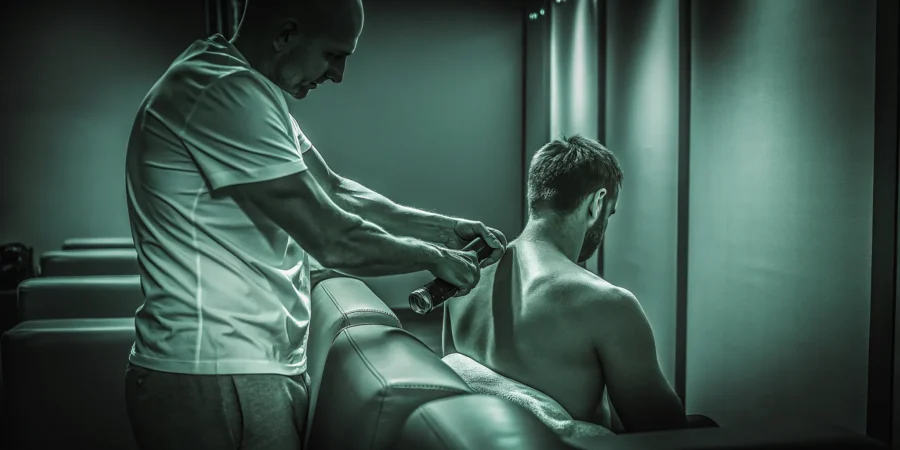
An injury is never just local. When you separate your shoulder, the impact ripples through your entire body. Your neck and upper back muscles tighten to guard the painful area, your chest muscles shorten, and your movement patterns change to compensate. This creates a cascade of tension and imbalance that can stall your recovery and even lead to new aches and pains. To truly heal, you have to look beyond the single point of injury and treat the system as a whole. A comprehensive shoulder separation massage treatment understands this. It works to release the compensatory tension in surrounding muscles, restore healthy fascial gliding, and create the right environment for the damaged ligaments to heal properly, bringing your body back into balance.
Key Takeaways
- Get a Doctor’s OK and Respect the Timeline: A proper diagnosis is non-negotiable to understand the severity of your injury. Hands-on therapy should only begin after the first few days of acute pain and swelling have passed, giving your body time to start the initial healing process.
- Focus on Strategic Repair, Not Just Relaxation: The right kind of massage for a separated shoulder is about function, not fluff. It is targeted work designed to release guarding muscles, manage scar tissue formation, and improve circulation, all of which help your shoulder heal stronger and regain its full range of motion.
- Integrate Massage into a Full Recovery Plan: Massage works best when paired with other treatments like physical therapy. It prepares your muscles for strengthening exercises and helps restore tissue health, but you need the right practitioner; always choose a therapist with specific experience in injury recovery.
What Is a Separated Shoulder?
First, let’s clear up a common point of confusion: a separated shoulder is not the same as a dislocated shoulder. A dislocation happens when the head of your upper arm bone (the humerus) pops out of the shoulder socket. A shoulder separation, on the other hand, is an injury to the joint where your collarbone (clavicle) meets your shoulder blade (scapula). This spot is called the acromioclavicular (AC) joint.
When you have a separated shoulder, the injury has damaged the ligaments that hold your collarbone in its proper place. Think of these ligaments as strong, fibrous tape that stabilizes the joint. When that “tape” gets stretched or torn, the collarbone can move out of alignment, leading to pain, instability, and sometimes a visible bump on top of your shoulder. It’s a common injury for anyone who leads an active life, from cyclists and weightlifters to anyone who’s taken an unlucky fall. Understanding what’s happening inside your shoulder is the first step toward getting the right care and starting your recovery.
How a shoulder separation happens
This injury almost always results from a direct, forceful impact to the top or outside of your shoulder. Picture falling off your bike and landing on your side, getting tackled in a football game, or even just slipping and hitting the ground hard. That sudden force can be strong enough to stretch or tear the ligaments between your collarbone and shoulder blade. When these ligaments give way, the collarbone is no longer securely anchored to the rest of your shoulder, causing the separation. It’s a classic trauma-based injury that happens in an instant but requires a thoughtful approach to heal correctly.
The three grades of shoulder separation
To figure out the best way to treat your injury, doctors classify shoulder separations by grade. This system helps determine how severe the injury is based on which ligaments are damaged and how badly. While there are six grades in total, most separations fall into one of the first three categories.
- Grade I: This is the mildest form. The ligaments are stretched or sprained but not completely torn. You’ll feel pain, but your collarbone is still in a stable position.
- Grade II: This involves a complete tear of the acromioclavicular (AC) ligament and a sprain of the coracoclavicular (CC) ligaments. Your collarbone may be slightly out of place.
- Grade III: This is a more serious injury where both the AC and CC ligaments are completely torn. This causes the collarbone to separate from the shoulder blade, often creating a noticeable bump on top of the shoulder.
What Does a Separated Shoulder Feel Like?
A separated shoulder injury can feel very different from person to person, with symptoms ranging from a dull ache to intense, sharp pain. The severity of your injury, which is graded by how much the ligaments are torn, will determine what you experience. While a minor separation might feel like a bad sprain, a more serious one leaves little room for doubt that something is wrong. Understanding the key signs can help you figure out what’s going on and when it’s time to get professional help. It’s important not to self-diagnose, as a proper evaluation is the only way to know for sure what you’re dealing with and how to treat it effectively.
Key symptoms to look for
The most immediate sign of a separated shoulder is usually pain right at the top of the joint, where your collarbone meets your shoulder blade. You might also see a noticeable bump on top of your shoulder. This bump appears because the ligaments holding the joint in place have torn, allowing the shoulder blade to drop slightly while the end of the collarbone pushes upward. Along with this, you’ll likely experience swelling, tenderness to the touch, and some bruising around the injured area. Many people also find they have trouble moving their shoulder and a limited range of motion, making everyday activities difficult and painful.
When your symptoms mean you should see a doctor
While it’s always a good idea to get a shoulder injury checked out, some symptoms are red flags that mean you should see a doctor right away. If you are in severe pain that doesn’t subside, or if your shoulder looks visibly out of place or deformed, don’t wait. Pay close attention to any weakness, numbness, or a cold sensation in your arm or fingers, as these can indicate nerve or blood flow issues that need immediate attention. If you can’t move your arm normally, it’s a clear sign to seek help. An accurate diagnosis from a healthcare professional is the essential first step toward a safe and effective recovery plan.
How to Get a Diagnosis and Treatment Plan
Before you can create a solid recovery plan, you need to know exactly what you’re dealing with. While it’s tempting to self-diagnose based on your symptoms, getting a professional medical opinion is the only way to confirm a separated shoulder and understand its severity. This official diagnosis is the critical first step that informs every part of your treatment, including when it’s safe to begin hands-on therapy. A clear diagnosis removes the guesswork and sets you on the right path to healing correctly and completely.
The diagnostic process: exams and imaging
To diagnose a shoulder separation, a doctor or physical therapist will start with a physical exam. They’ll ask about your symptoms and how the injury happened, then carefully check your shoulder’s range of motion and stability. You might be asked to hold a small weight in your hand to see if it makes the collarbone pop up, which is a classic sign of an AC joint injury. Depending on what they find, they may order imaging tests like an X-ray, ultrasound, or MRI to get a clearer picture of the ligaments and bones. This helps them confirm the diagnosis and rule out other injuries, like a fracture.
How the grade of injury shapes your treatment
Shoulder separations are graded on a scale from I to VI, based on how much damage the ligaments have sustained. Grade I is a mild sprain, while Grade VI is a complete tear with significant displacement of the collarbone. This grade is what determines your treatment plan. Milder injuries (Grades I and II) almost always heal with non-surgical treatment like rest, ice, and physical therapy, with recovery taking a few weeks to a few months. For more severe injuries (Grade III and up), the path is less clear, and your doctor will discuss whether surgery is the best option for you.
How Massage Can Help Your Separated Shoulder
When you’re dealing with a separated shoulder, your first instinct is to protect it. While rest is essential in the beginning, targeted bodywork is a powerful tool for rebuilding function and getting you back to your life. The right kind of massage therapy does more than just manage pain; it actively supports the body’s healing process from the inside out. By addressing the muscles, fascia, and ligaments around the AC joint, we can help ensure your shoulder heals correctly and completely.
This isn’t about a gentle, relaxing spa treatment. This is strategic, hands-on work designed to restore your body’s mechanics. It focuses on releasing the tension that builds up around an injury, improving circulation to speed up tissue repair, managing scar tissue to preserve your range of motion, and preparing the supporting muscles to regain their strength. It’s a critical piece of the recovery puzzle that helps you move from injured and guarded to strong and resilient.
Relieve pain and release surrounding tension
After a shoulder separation, the muscles around the joint, like your traps and deltoids, go into overdrive. They tighten up to guard the injured area, which is a natural protective response. The problem is, this constant tension creates its own pain and stiffness, making it hard to move and even harder to rest comfortably. It can feel like the entire shoulder complex is locked down.
Skilled massage therapy works to gently convince these muscles to let go. By releasing the deep-seated tension in the surrounding tissues, we can significantly reduce your pain levels. This isn’t just about temporary relief; it’s about breaking the pain-tension cycle that can stall your recovery. Once those muscles relax, you’ll find an immediate improvement in your ability to move, setting the stage for more effective healing and rehabilitation. Our DEEP Method™ is designed specifically for this kind of targeted release.
Speed up healing with better circulation
Healing requires resources, and your circulatory system is the delivery truck. Blood carries the oxygen and nutrients your damaged ligaments and tissues need to repair themselves. When an area is injured and movement is limited, however, circulation can become sluggish, slowing down the entire healing process. Think of it like a traffic jam on the highway to recovery.
Massage therapy acts like a traffic controller, getting things moving again. The techniques used in a session help stimulate blood flow to the injured shoulder. This increased circulation delivers a fresh supply of healing nutrients directly to the site of the injury. At the same time, it helps flush out metabolic waste products that can accumulate in damaged tissue. Better circulation means a more efficient, effective, and faster healing environment for your AC joint.
Break down scar tissue and improve flexibility
As your body heals, it lays down scar tissue to patch up the injured ligaments. This is a normal and necessary process, but scar tissue is less flexible than healthy tissue. If it forms in a disorganized way, it can create adhesions that stick tissues together, severely limiting your shoulder’s range of motion and leading to chronic stiffness.
This is where a fascia-first approach becomes critical. Through techniques like cross-friction and myofascial release, a skilled therapist can influence how this scar tissue matures. The goal is to break down adhesions and encourage the new fibers to align properly, preserving the gliding surfaces between tissues. This ensures your shoulder joint remains mobile and functional long after the initial injury has healed. It takes a deep understanding of anatomy to do this work safely, which is why our therapists receive extensive in-house training at our DEEP Academy.
Restore strength to supporting muscles
Pain and disuse after an injury can cause the muscles supporting your shoulder to weaken or “turn off.” Even after the ligaments have started to heal, these muscles may not be ready to do their job correctly, leaving your shoulder unstable and prone to re-injury. Before you can safely return to lifting, carrying, or your favorite sport, you need to rebuild that foundational strength.
Massage therapy helps bridge the gap between passive healing and active strengthening. By releasing trigger points and alleviating residual tension, we help wake up these inhibited muscles and restore proper nerve signaling. This prepares the tissue to handle the demands of physical therapy and exercise. It ensures that when you start strengthening, the right muscles are firing at the right time, creating a stable and resilient shoulder that you can trust for the long haul.
When Is It Safe to Start Massage Therapy?
Timing is everything when it comes to using massage for a separated shoulder. While the right kind of bodywork can be a game-changer for your recovery, jumping in too soon can disrupt the healing process and even make the injury worse. Your body goes through distinct phases of repair after an injury, and your treatment plan needs to respect that timeline.
The key is to work with your body, not against it. That means giving it space when it needs to handle the initial trauma and then introducing targeted therapy when it’s ready to rebuild and restore function. Understanding when to wait and when to act is the first step toward a smart and effective recovery. Our DEEP Method™ sessions are designed to meet you where you are in your healing process, but only when the time is right.
The acute phase: why you need to wait
Immediately after you injure your shoulder, your body’s first responders kick in. This is the acute phase, characterized by pain, swelling, and inflammation. While it might feel counterintuitive, this inflammation is a necessary part of the healing process. During this time, which typically lasts for at least the first 72 hours, the area is extremely sensitive. Applying massage pressure directly to the injury can increase swelling, disrupt the formation of new tissue, and cause more pain. The best thing you can do in these first few days is rest, ice the area, and give your body the uninterrupted time it needs to stabilize the injury.
The right time for minor to moderate separations
If you have a minor to moderate separation (Grade I or II), you can usually start thinking about massage once the acute phase has passed. The signal you’re looking for is a significant reduction in swelling and sharp, constant pain. This might be anywhere from a few days to a week or more after the injury. At this point, therapeutic massage can help release the intense tension in the surrounding muscles, like your traps and neck, which have been working overtime to guard the injured joint. This helps reduce compensatory pain and prepares the area for more direct work later on.
Why timing is critical for severe injuries
For more severe separations (Grade III and up), the timeline is dictated by your doctor. These injuries often involve significant ligament tears and may require surgical repair. In these cases, massage is off the table until your orthopedic specialist gives you explicit clearance. This will likely be weeks or even months after your initial injury or surgery. Attempting any hands-on therapy before your ligaments have had a chance to properly heal, either on their own or with surgical intervention, can jeopardize the entire recovery. Your therapist will work in coordination with your doctor’s protocol to ensure your treatment is both safe and effective.
Finding the ideal window for hands-on treatment
Once you are cleared by a doctor and the initial inflammation has subsided, you’ve hit the ideal window for hands-on treatment. This is where the real work of restoration begins. In this subacute phase, a skilled therapist can use specific techniques, like cross-friction massage, to help your damaged ligaments heal with strong, flexible tissue instead of stiff, disorganized scar tissue. This targeted work helps improve your range of motion, reduces lingering pain, and restores healthy function to the joint. When you’re ready for this step, you can book a session with a therapist trained to handle injury recovery with precision.
Effective Massage Techniques for Shoulder Recovery
Once you’re cleared for hands-on work, a skilled therapist won’t just perform a generic shoulder massage. Instead, they’ll use specific, targeted techniques to address the different ways the injury has affected your body. True recovery from a shoulder separation requires a multi-faceted approach that targets ligaments, scar tissue, and the surrounding muscles that have been working overtime. This isn’t about a simple relaxation massage; it’s about precise, therapeutic work designed to rebuild function from the ground up. At AUSTINDEEP, our therapists are trained in a consistent, fascia-first method to ensure every part of the system is addressed.
Cross-friction massage for ligament repair
When you separate your shoulder, you’re really spraining the ligaments that hold your AC joint together. Cross-friction massage is a highly specific technique designed to help these ligaments heal correctly. Your therapist will use their fingers or thumb to apply deep, precise pressure directly across the grain of the injured ligament. This controlled friction helps stimulate circulation and cellular activity right at the site of the tear. It’s a key part of a larger sports massage plan for AC joint injuries because it encourages the body to lay down new tissue in an organized way, leading to stronger, more resilient ligaments.
Deep friction to address scar tissue
As your body heals, it creates scar tissue. While this is a natural part of the repair process, scar tissue can sometimes form in a dense, disorganized way, leading to stiffness and restricted movement. Deep friction massage helps manage this process. By applying focused pressure, a therapist can help break down adhesions and encourage the scar tissue to form in a more flexible, functional alignment with the surrounding tissue. This is crucial for regaining your shoulder’s full range of motion and preventing long-term stiffness. This technique helps prevent excessive scar tissue from limiting your recovery.
Myofascial release to restore fascial health
An injury doesn’t just affect one specific spot; it impacts the entire system. After a shoulder separation, the surrounding muscles and fascia (the connective tissue that wraps around everything) tighten up to guard the injured joint. This can lead to widespread tension and pain. Myofascial release is a technique that applies sustained pressure to these tight areas, helping the fascia and muscles relax and lengthen. This work is essential to ease muscle tension, improve blood flow, and restore healthy movement patterns, which is a core part of our DEEP Method™ at AUSTINDEEP.
Trigger point therapy for related muscle groups
Your body is smart. When one area is injured, other muscles step up to compensate. With a shoulder separation, muscles in your neck, upper back, and chest often take on extra strain, leading to the formation of tight, painful knots known as trigger points. These knots can cause referred pain that makes your shoulder feel even worse. A therapist trained in injury recovery will identify and release these trigger points in the supporting muscle groups. This not only provides immediate pain relief but also allows the entire shoulder girdle to return to a more balanced, functional state, which is a key goal of our therapeutic services.
Important Precautions for Massage Treatment
While massage can be a game-changer for shoulder recovery, it’s not a one-size-fits-all solution. Moving forward without the right information can set your healing back. Approaching bodywork with a clear plan and professional guidance ensures that every session helps you move forward, not backward. Think of these precautions as the essential first steps in a smart, effective recovery strategy. They protect your body and make sure you get the full benefits of treatment.
Get your doctor’s approval first
Before you even think about booking a massage, your first stop should be your doctor or physical therapist. A proper diagnosis is critical. Your doctor can determine the grade of your shoulder separation and create a treatment plan tailored to your specific injury. They will let you know if massage is a safe and effective option for you. As the Academy of Clinical Massage notes, it’s important to talk to your doctor or physical therapist about when massage is appropriate for your condition. This conversation ensures that everyone on your recovery team is on the same page and working toward the same goal: getting you back to full function safely.
Know when to pause or modify your sessions
Timing is everything when treating an injury. Massaging a separated shoulder too soon can interfere with the body’s natural healing process and make the injury worse. In the initial days following the injury, your shoulder is in an acute inflammatory phase. It’s best to let it rest and allow that initial healing to begin. You should avoid massage immediately after the injury (waiting at least three days, or longer for more severe injuries). Always listen to your body. If you feel sharp pain during a session, speak up immediately. Your therapist can modify the pressure or technique to work within your comfort level, ensuring the treatment remains productive.
How to safely combine massage with other therapies
Massage is most effective when it’s part of a complete recovery plan. It works hand-in-hand with other treatments, like physical therapy, to restore strength and mobility. Many physiotherapy plans include soft tissue work like massage to improve muscle flexibility around the shoulder. However, it’s crucial that these therapies are integrated correctly. For specific techniques like cross-friction, you should always check with a healthcare professional before you begin. By coordinating specialized bodywork with your other treatments, you create a comprehensive approach that addresses the injury from all angles, from ligament repair to restoring the health of the surrounding fascia.
Creating Your Complete Recovery Plan
A separated shoulder doesn’t heal in a vacuum. True, lasting recovery comes from a thoughtful, comprehensive plan that addresses the injury from all angles. For people who train hard, work long hours, and need their bodies to perform, simply waiting for the pain to go away isn’t an option. A scattered approach often leads to lingering stiffness, chronic instability, and a frustrating cycle of re-injury that keeps you on the sidelines. You need a strategy that does more than just patch the immediate problem; you need one that rebuilds the entire support system around your shoulder.
Think of it less like a single fix and more like a system of care where each part supports the others. Your body is an interconnected network, and your recovery plan should reflect that. Combining targeted massage with other proven therapies ensures you’re not just getting by, but actually building a stronger, more resilient shoulder for the long haul. A complete approach integrates hands-on treatment to restore tissue health, guided movement to rebuild functional strength, and a clear strategy for long-term maintenance. This is how you get back to your life and keep your body ready for whatever you ask of it, without fear of taking two steps back.
Integrating massage with physical therapy and exercise
Massage and physical therapy are a powerful duo for shoulder recovery. While your physical therapist guides you through exercises to rebuild strength and stability, massage therapy works on the quality of the soft tissues involved. It helps relax tight muscles around the shoulder, which can make your PT exercises more effective and less painful. Specific techniques, like cross-friction, can also help damaged ligaments heal properly and prevent excess scar tissue from forming. By pairing these two therapies, you create an environment where your shoulder can heal correctly, regain its full range of motion, and rebuild the strength needed to support the joint for the long term.
Shifting from recovery to long-term maintenance
Once the initial pain subsides and you’ve regained function, the work isn’t over. The next phase is shifting your mindset from acute recovery to long-term maintenance. This is where you build resilience to prevent future injuries. Continuing with regular, targeted bodywork is key to this process. Consistent massage can help maintain tendon flexibility and improve blood flow, keeping the tissues healthy, pliable, and responsive. This proactive approach helps prevent the kind of chronic pain and instability that can linger after an injury. Think of it as essential maintenance for your body, just like movement and sleep. It’s what allows you to keep going, confident that your body can keep up.
How to choose the right therapist for injury recovery
When you’re dealing with an injury, the therapist you choose matters. You need someone who understands the mechanics of your injury and knows how to work safely and effectively. Look for a practitioner with specific training and experience in injury recovery, not just general relaxation massage. A skilled therapist will know which techniques to use and, just as importantly, when to use them. They should work as part of your team, communicating with your doctor or physical therapist to ensure your treatment is aligned with your overall recovery plan. At AustinDeep, our therapists are trained in-house through our DEEPACADEMY to ensure they have the precision and expertise to handle complex cases like shoulder separations.
Frequently Asked Questions
I have a bump on my shoulder after a fall. Is it a separated shoulder? A visible bump on top of the shoulder is a classic sign of a separated shoulder, but it isn’t a guarantee. That bump often appears when the ligaments holding your collarbone in place are torn, causing it to shift. However, only a medical professional can give you an accurate diagnosis. They will perform a physical exam and may use imaging, like an X-ray, to see exactly what’s going on and rule out other issues, such as a fracture. Self-diagnosing is risky, so getting a proper evaluation is the most important first step.
Why would I get a massage for an injury? Shouldn’t I just rest it? This is a great question. While rest is critical right after the injury, especially during the first few days, the story doesn’t end there. A shoulder separation causes the muscles all around the joint to tighten up in an effort to protect it. This guarding creates its own pain and stiffness, which can slow down your recovery. Therapeutic massage isn’t about working directly on the fresh injury; it’s about strategically releasing that surrounding tension, improving blood flow to aid healing, and ensuring the whole shoulder complex can function properly as you recover.
How soon after my injury can I get a massage? Timing is crucial, and it depends on the severity of your injury. For any separation, you must wait until the acute phase, which is usually the first 72 hours, is over. During this time, your body needs to manage the initial inflammation without interference. For a mild to moderate injury, you can typically start gentle, targeted work once the initial swelling and sharp pain have decreased. For a severe injury, especially one that might require surgery, you must wait until you have explicit clearance from your doctor.
Can I just get a regular deep tissue massage, or do I need a specific type of therapy? While a general deep tissue massage might feel good, it isn’t designed to treat a specific injury like a separated shoulder. For this, you need a therapist who understands injury mechanics. They will use specific techniques, such as myofascial release and cross-friction, to address scar tissue, release muscle guarding, and help the damaged ligaments heal correctly. This work requires precision and a deep knowledge of anatomy, so seeking out a practitioner with experience in injury recovery is essential for a safe and effective outcome.
My doctor said I might need surgery. Can massage still be part of my recovery? Yes, it absolutely can be a valuable part of your plan, as long as it’s coordinated with your surgeon’s protocol. If you have surgery, massage therapy can be incredibly helpful once you are cleared to begin. A skilled therapist can help manage post-surgical swelling, reduce the formation of restrictive scar tissue around the incision, and release tension in the muscles that have been immobilized. This helps you regain your range of motion faster and more comfortably during your physical therapy.