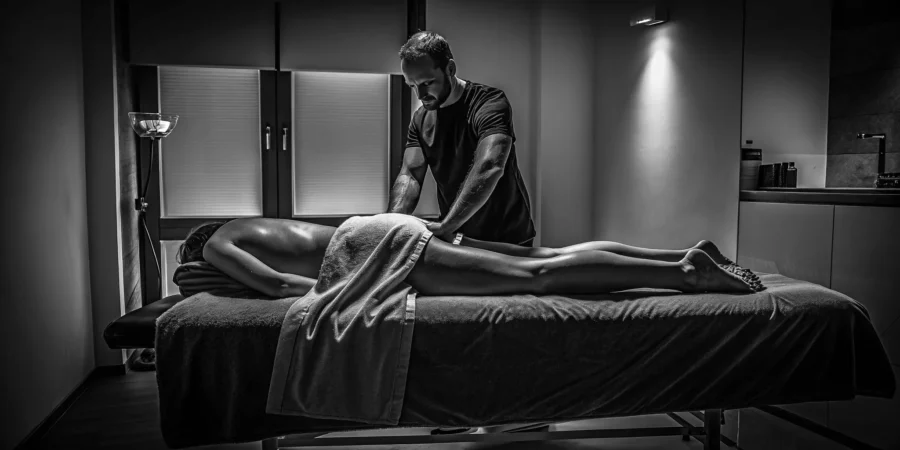
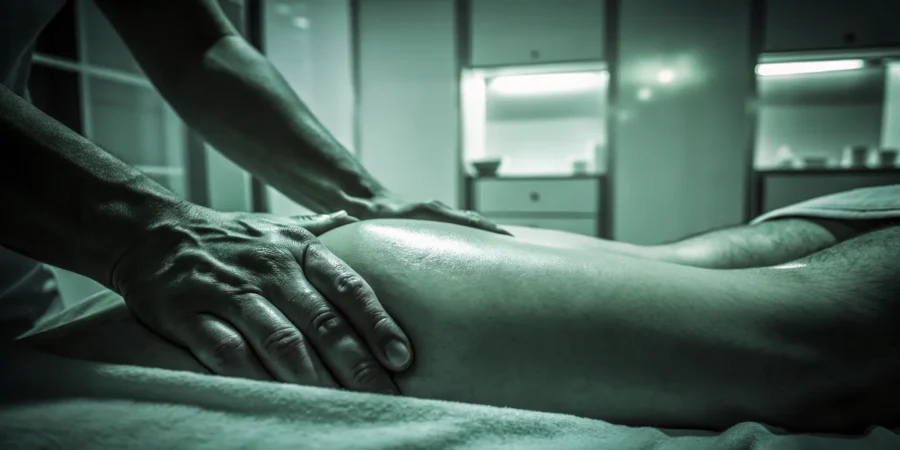
When Austin runners stack long miles, hills, and speed work, tight hamstrings and heavy quads can turn an easy recovery run into a struggle. Massage for runners gives the body a purposeful reset, helping athletes address connected tension and keep training consistently.
Book your runner-focused DEEP Method session in Austin.
Massage for runners works best as planned body maintenance, helping athletes manage soreness and stay consistent through high-impact training. At AUSTINDEEP, the DEEP Method(TM) starts with fascia-focused bodywork to address connected tension patterns that isolated muscle work may miss. This approach is designed to restore movement by addressing the quads, hamstrings, IT band, and the way those areas work together. Research shows that massage therapy can help reduce pain intensity in the quadriceps after running. By working on these connected areas, purposeful bodywork can support more comfortable movement between workouts. Rather than a one-time luxury, regular sessions give runners a consistent way to address tension and maintain mobility. This active care can help Austin runners keep up with demanding training while responding to stiffness before it disrupts their routine.
Many athletes only seek help when a sharp pain stops them from hitting the trail. Waiting for an injury to happen often leads to longer times to get better and missed goals. You can avoid these setbacks by treating bodywork as a consistent part of your training plan, rather than waiting for pain to stop your run.
Why massage for runners works best as regular maintenance
Running is a high-load sport that asks a lot of your body. Every step you take on the pavement or trail adds stress to your legs and feet. This stress builds up over time. It is not just about your muscles getting tired. It is about how your whole body carries that load. Many runners think they only need help when they are hurt. But the best way to use body work is to keep your body in top shape before pain starts. Steady care helps you stay on track with your goals.
Managing the physical cost of training miles
As you run more miles, your tissue changes. The force of each step causes small shifts in your muscles and fascia. These shifts can lead to tight spots that do not go away with rest alone. A study on runners showed that massage can help lower pain in the quads. This is helpful after a hard training block. If you only get a massage once in a while, these tight spots can grow. They might even change your form. Steady sessions catch these small issues early. This keeps your tissue soft and ready for the next hard run.
The role of fascia-first body work
At AUSTINDEEP, we do not just rub your skin. We use the DEEP Method(TM) to reset your whole body. This system is fascia-first. Fascia is a web of tissue that wraps around your muscles. It can get stuck and cause tension. For runners, this often happens in the hips or lower back. If your fascia is tight, your muscles cannot move well. By looking at this layer, we help your body find its normal state. This full-body reset is key for lasting relief. It helps you move with more ease and less effort. You will feel lighter on your feet during your next run.
Shifting from a luxury treat to a daily need
Many people think of a massage as a spa day treat. They might book one after a big race. But for those who train hard, body work is needed care for the body. You should treat your muscles like a fine machine. This helps with both health and how you run. Groups like the Mayo Clinic find that massage can lower pain from sports injuries. Steady visits help you bounce back faster. They make your body more strong. This means you can keep running for a long time without a breakdown. Your body will thank you for the extra care.
Targeted relief for the legs and feet
Most runners have specific spots that stay tight. Common areas include the quads, calves, and hamstrings. The IT band can also cause problems if it is not cared for. We use special moves like friction to help tight tissue in the calves and Achilles. These spots take a lot of heat during a run. If you let them stay tight, you risk a setback. Steady care keeps these tissues loose and mobile. It stops small aches from turning into real injuries. This allows you to focus on your pace and your path. You can enjoy the run without worrying about pain.
When should runners schedule a massage?
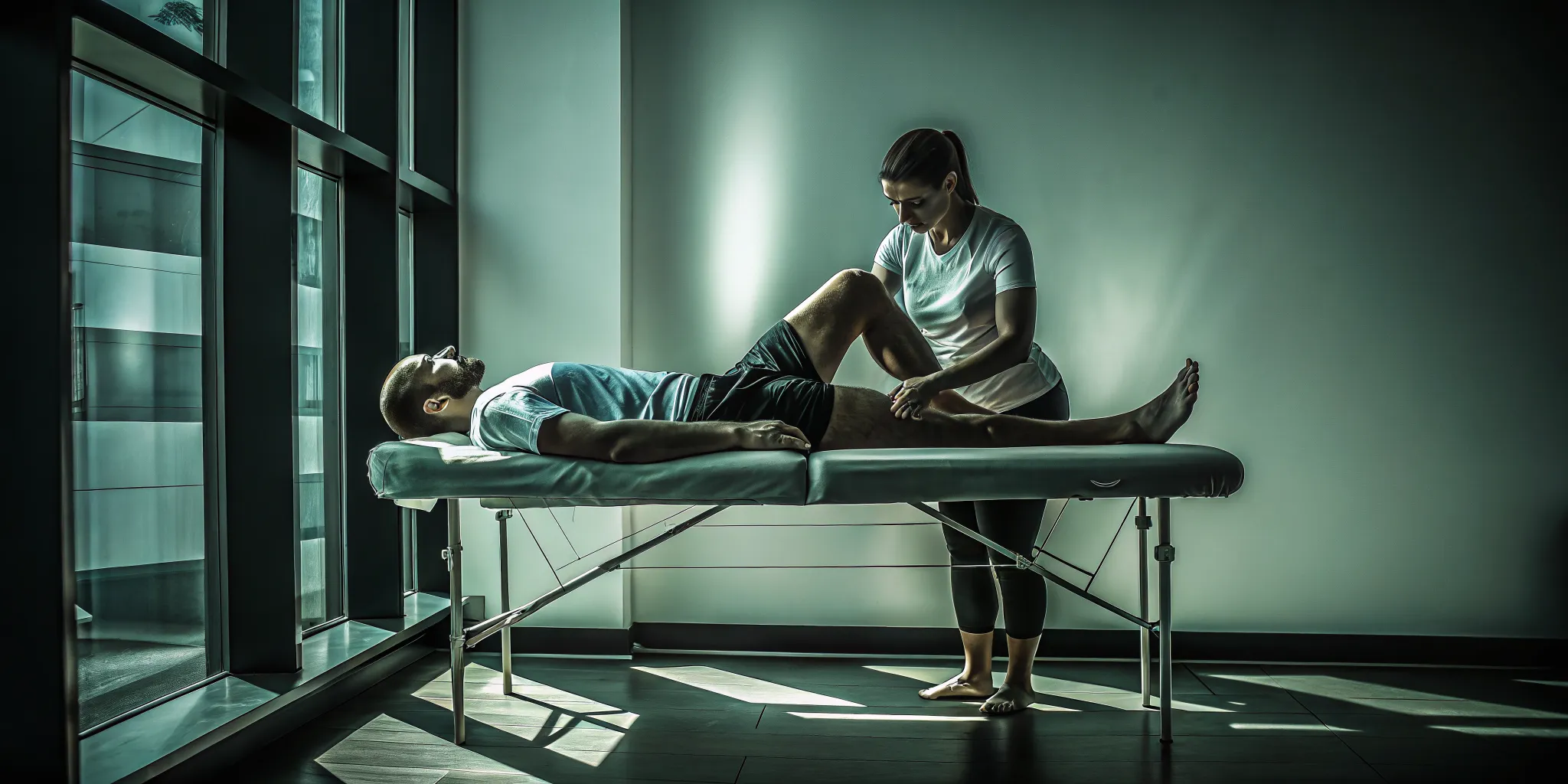
Planning your bodywork at the right time helps you get the most out of every run. Most runners know that training hard takes a toll on the body. To keep moving well, you need a plan for your healing. It helps your body stay strong for your next big race.
Pre-race and event day prep
Before a race, you want your muscles to feel light and ready. Some runners use light methods to warm up their tissues. This type of work is not about deep pressure. Instead, it helps wake up the body so you can move with ease.
You should do a dynamic warm-up for at least 10 minutes before any pre-run work. This makes sure your muscles are ready for the load. Pre-race sessions are best when they are brief and focused on movement. They help you start your run with less stiffness.
Post-run recovery and maintenance
The best time for deep work is often after a long run or a hard workout. Post-run sessions focus on recovery and tissue health. Research shows that massage therapy can decrease pain in the legs after running. This helps you bounce back faster for your next session. It also helps flush out waste products from the muscle tissue.
Experts at the Mayo Clinic also find that bodywork reduces tension from sports injuries. At AUSTINDEEP, we focus on the quads, calves, and IT band to keep your body balanced. This focused approach helps release held tension so you can keep training hard. We look at the full body to find where you are tight.
Planning your bodywork schedule
Staying steady is the most important part of any plan. You should treat bodywork as needed maintenance for your body. Think of it like servicing a fast engine to make sure it lasts. This helps prevent small issues from becoming big problems. It also gives you a clear view of how your body is doing each week.
Regular sessions help find and release muscle knots early. Most runners benefit from a session every few weeks during high-mileage blocks. This keeps your body moving well and helps you stay on track with your goals. Setting a timer for movement breaks every 30 minutes can also help reduce daily tension from sitting or standing too long.
| Feature | Maintenance Phase | Race Week |
|---|---|---|
| Main Goal | Release tension | Wake up muscles |
| Pressure Level | Deep and focused | Light and brief |
| Best Timing | After hard work | Days before event |
| How Often | Every 2-4 weeks | Once per race |
What to expect from a runner-focused DEEP Method session
When you walk into AUSTINDEEP, you will see we focus on your goals. This is not a spa. We treat your body like a fast engine that needs care. Your visit starts with a look at your past runs and your pain. We check how you move and where you feel tight. This talk helps your therapist find the root of your stress. It makes sure our work hits the right spots for your run. We want you to feel strong and ready for your next race.
A deep look at your movement
Your visit starts with a talk about your runs. We want to know how far you run and where you feel stiff. We look at how you stand and how you move. This is part of our set plan for every visit. It makes sure you get the same high level of care each time you come in. We also check for tight spots across your whole body. This full-body view is key for long-term health and keeps you on the road.
Precision work on the fascia
The main part of your visit is the DEEP Method. This is a system that works on your fascia. Fascia is the thin layer that wraps around your muscles. When it gets tight, it can pull on your joints and cause pain. For runners, we look at the quads, hamstrings, and calves to find deep stress. This fascia-first path helps release pain that a normal massage might miss. You will talk with your therapist about pressure to keep the work deep but safe.
- First talk and scan: Talk about your run goals and any pain you feel. We check how you move to find the root of your stress.
- The full-body reset: Your therapist uses the DEEP Method to work on your fascia. This system helps to release held stress across your whole body.
- Focused tissue work: We focus on key runner spots like the IT band and calves. We use specific moves to help these muscles heal faster.
- Active pressure checks: Talk to your therapist about how the work feels. We want the pressure to be deep but safe for your body.
- Post-run planning: Get a plan for your next few days. This helps you know when to run and how to keep your muscles loose. We might suggest a few days of rest or light movement to let the work sink in.
Steady care for better results
Research from the Mayo Clinic shows that massage can help with sports pain. At AUSTINDEEP, we want to help you reach your best. We do not offer spa rest. Instead, we give you a path to more miles. This massage for runners is like an oil change for a fast car. It keeps things running well and stops big breaks. Our goal is to help you stay active and pain-free.
Common tension patterns runners bring to the table
Runners often deal with clear spots of tight muscle and held stress. These patterns show up because of the hard work your body does on every run. While you might feel pain in one place, the root of the problem often sits in a larger system of tight tissue. This is why a full-body view is key to lasting relief.
Tight calves and foot tension
The calf and Achilles are two of the most common spots where runners feel stiff. Constant pounding on hard ground can make these tissues feel like tight ropes. We use specific moves to help loosen tight calf tissue and improve how you move. This work helps your lower leg handle the load of long miles without feeling stuck or heavy.
When your calves are tight, they pull on your feet and knees. This can lead to other issues that slow you down or make your runs feel more like a chore than a workout. Friction and smooth strokes help warm up these areas before or after a run. Keeping the tissue loose is a big part of your daily care and long-term health as a runner.
Quadriceps, hamstrings, and IT band stress
Your quads do a lot of work to power your stride and keep you stable. Research shows that massage for runners can help reduce pain in the quadriceps after you run. Many people also feel a deep pull along the side of the leg in the IT band. This area often holds a lot of tension that can affect how your hip and knee work together during each step.
The hamstrings also take a lot of heat, especially on hills or during fast sprints. These muscles can get short and stiff, which pulls on your lower back. Focusing on these large muscle groups is a key part of staying on the road. It is not just about making the muscle feel soft. It is about making sure the whole leg can move with ease so your gait stays smooth and strong.
The connected full-body chain
Chasing one sore spot often misses the real issue. Your body works as one big chain where one tight spot pulls on another. We use the DEEP Method to look at the full body and find where tension is hiding. This fascia-first system helps release held stress so that relief lasts longer than a simple spa rub. It is about finding the source of the pull, not just the spot that hurts.
Experts at the Mayo Clinic found that bodywork can help reduce pain and tension from sports injuries. By looking at the whole chain, you can find why your hip hurts even when the problem starts in your foot. This approach helps you stay strong so you can keep doing what you love. Regular care helps your body reset and gets you ready for your next big goal.
Is it normal soreness or a sign to pause?
Runners often deal with tight muscles after a hard workout. It can be hard to tell if you should keep training or take a break. Normal soreness usually feels like a dull ache. It often starts a day or two after you run. This is part of how your body gets stronger. But some pain is a signal that you need to stop. Sharp or sudden pain is a common sign of a sports injury. If your pain gets worse while you run, you should pause and get help.
Signs of normal muscle fatigue
Most runners feel some tightness in their quads, calves, or hamstrings. This type of ache is common and should fade with rest. Research shows that massage for runners can help lower pain in the quadriceps after a run. At AUSTINDEEP, we see bodywork as a way to keep your body running well. It is like service for a fast car. We focus on the fascia to release held tension and help you move better. Regular maintenance can keep small aches from turning into big problems.
When to seek professional help
Some types of pain need a closer look by a health expert. You should not ignore pain that is sharp, hot, or keeps you from moving normally. If an ache stays the same for more than a few days, it might be more than simple fatigue. Mayo Clinic experts use massage to help people with many issues, including sports injuries and post-surgery recovery. If you have pain that does not go away, talk to a doctor or a physical therapist. They can find the root cause and help you plan your next steps.
Listening to your body
Your body has ways to tell you when it needs rest. Learning to listen to these cues is key to long-term health. Our DEEP Method(TM) uses a fascia-first system to reset the body. This helps you find where you are holding stress and tension. By staying ahead of tightness, you can keep your training on track. Good body maintenance is not a luxury for runners. It is a vital tool for staying active and reaching your goals for years to come.
Explore the fascia-first DEEP Method for your next recovery session.
How to build massage into your running routine
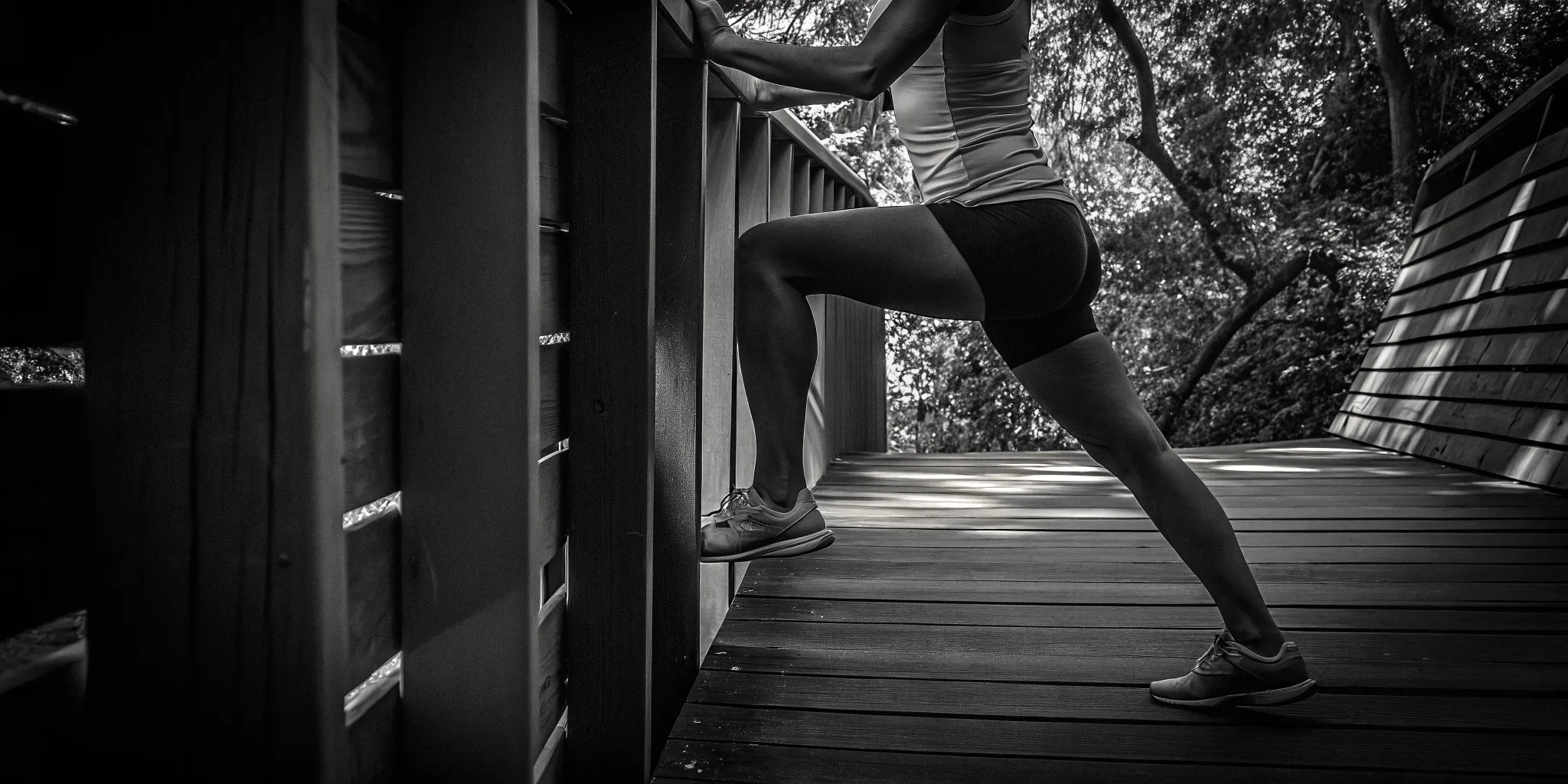
Running in Austin puts a lot of stress on your body. To stay on the road, you should treat your body like a fine machine. This means you need a plan for steady care. Making massage for runners a part of your weekly habit can help you heal faster. It is not just a treat for a spa day. It is a way to keep your muscles and fascia ready for your next run.
Timing for best results
You can use bodywork at many times in your training. Before a run, a quick session can help warm up your muscle tissue. This helps you move better from the start. Once you finish a long run, the goal shifts to healing. Bodywork can help lower pain in your legs after you train hard. Research shows that massage can help reduce pain in the quads after running.
Many Austin runners book a deep session on their rest days. This gives the body time to reset. If you are training for a race, try to plan your visits every two weeks. This keeps tension from building up too much. It also helps you find small issues before they turn into big pains. Regular work is the key to lasting relief and better movement.
Areas of focus
When you visit AUSTINDEEP, your session will follow a set plan. This helps you get the same high quality every time. However, you should still talk about your own needs each time. Tell your therapist where you feel tight or sore right now. Common focus spots for runners include the quads, hamstrings, and calves. Use the DEEP Method(TM) to fix these areas with fascia-first bodywork.
You might also need work on your IT band or heel tissue. Focused friction can help move tight spots in these areas. By hitting these points, you help your whole body stay in balance. This full-body plan is better than just fixing one sore spot. It helps you build a strong body that can handle more miles.
Support between visits
What you do at home matters just as much as your time on the table. Drink plenty of water to help your muscles heal after your visit. You should also stay active with light movement. Research from the Mayo Clinic shows that massage helps reduce muscle tension from sports injuries. Keeping your body moving helps keep that tension away for good.
If you work at a desk, try to move often during the day. Try to set a timer to take a break every 30 minutes. This stops your tissue from getting stiff while you sit. These small steps help your sessions last longer. When you combine smart timing with good habits, you create a plan that really works. This keeps you running strong on the Austin trails for years to come.
When to Book a Recovery Session After a Long Run
The window between finishing a long run and booking your next recovery session matters more than most runners realize. In the first 24 hours after a hard effort, your muscles are inflamed and your fascia has begun tightening around the areas that took the most impact—typically the quads, hamstrings, and calves. Waiting too long lets that tension settle into chronic patterns that require more sessions to unwind. Aiming for a deep tissue session within 24 to 72 hours after a long run catches your body at the point where the DEEP Method’s fascia-first approach is most effective: the tissue is still adaptive, the inflammation is peaking rather than entrenched, and a focused reset can restore range of motion before your next training block.
During this recovery window, an AUSTINDEEP session addresses the connected tension that builds up across multiple muscle groups during a run. While your quads may feel like the only issue, the tightness typically runs through the IT band, hamstrings, and into the lower back—a chain that isolated stretching often misses. The DEEP Method works this full system, releasing the fascia that has started adhering to the muscle layers beneath. Runners who book within this window consistently report that their next run feels lighter and that lingering soreness clears faster than when they wait a full week or more.
For Austin runners stacking weekend long runs on the Barton Creek greenbelt or weekday tempo work on the Lady Bird Lake trail, planning a recovery session for the day after your hardest effort of the week creates a predictable maintenance rhythm. Book a DEEP Method recovery session at Lake Austin → or choose the AUSTINDEEP location closest to your route. Consistent timing turns each session into a compounding investment in your body’s ability to handle the next training cycle.
Choosing massage for runners in Austin
Austin has some of the best trails in Texas. From the loops at Lady Bird Lake to the steep hills in Barton Creek, local runners put their bodies through a lot. The high heat and hard ground can lead to tight muscles and joint stress. For many, finding the right massage for runners is a key part of staying on the trail. It is not a treat. It is a tool to keep your body ready for the next mile.
Timing your sessions for healing
When you book a visit, think about your training plan. A pre-run session can help warm up your tissue and get your blood moving. If you do this, you should still do a dynamic warm-up for at least ten minutes before you start your run. This helps your muscles stay loose and ready for the work ahead. Many runners use these sessions to wake up their legs before a big race.
Post-run visits often focus on healing. After a long run on Austin trails, your quads and calves may feel heavy. Research from the Mayo Clinic shows that massage can help lower pain and tension in people with sports injuries. While the drop in pain may be small, it can help you get back to your routine faster. Many local runners find that a visit late in the week helps them reset for their weekend long run.
Tension patterns for trail runners
Running on uneven ground uses more than just your legs. Your core and feet work hard to keep you steady on rocky paths. A good session should look at your whole body, not just one spot. Common areas that need work include your quads, hamstrings, and calves. Keeping these areas loose can prevent the tight knots that slow you down. It also helps your body move the way it should.
We use a system called the DEEP Method to find and release tension. This fascia-first approach looks at how your muscles connect. By working on the full body system, we can find where you are held tight. This helps your body reset so you feel better for a long time. It is like fixing a fast engine to keep it running well for many years.
Booking care for lasting relief
In Austin, busy days can make it hard to find time for care. But you should view this work as a need. Steady care helps you stay strong and avoid injury. Every session at AUSTINDEEP uses a proven structure. This means you get the same high level of care every time you walk through our doors. You can book your session online to find a time that fits your life.
If you have questions about what to expect, you can check our site. We provide receipts if you want to ask for money back from your health plan. Our goal is to make it easy for you to get the help you need. Whether you are training for a marathon or just a jog downtown, we want to help your body keep up with your goals.
Book Now at the AUSTINDEEP location that fits your training routine.
Frequently Asked Questions
Can I use my health insurance to pay for sports massage?
AUSTINDEEP does not bill health groups for you. We can give you a receipt for your session. You may be able to use this to get your money back from your health plan. It is best to check with your plan first. This way you get the right care while you file for pay on your own.
Does massage therapy help runners with stress and anxiety?
Yes, research shows that bodywork can help lower stress. According to the NCCIH, massage is often used to help with tiredness and quality of life. For athletes, it can also lower stress markers and help the body feel at ease. This mental reset is just as vital as the physical recovery for your next big race or run in Austin.
Is it safe to get a massage after a major surgery?
Bodywork can be a helpful part of healing after many types of medical care. Experts at the Mayo Clinic use massage to help people after heart and lung surgeries. It can reduce pain and tension as you heal. You should always talk to your doctor before you start any new therapy after a surgery to make sure it is safe for your health needs.
What makes the DEEP Method different from a spa massage?
The DEEP Method is a system made to release tension and help you move well. Unlike a spa massage, it uses a set way to find and fix tight spots in the body. This system helps your muscles reset so that your relief lasts longer. It is needed care for people who train hard and want their bodies to keep up with their active life and goals.
How soon after a long run should I book a DEEP Method session?
The ideal window is 24 to 72 hours after your long run. During this period, your fascia is still adaptive and the inflammation from the effort is peaking rather than entrenched. A DEEP Method session in this window can reset the fascia, release held tension in the quads, hamstrings, and IT band, and restore range of motion before your next training block.
Keep your running routine moving with AUSTINDEEP
Consistent bodywork can help you respond to tightness before it disrupts your training. AUSTINDEEP’s fascia-first DEEP Method provides purposeful full-body maintenance for Austin runners who want their bodies to keep up with their goals.
Book a runner-focused DEEP Method session at Lake Austin. You can also choose the AUSTINDEEP location that best fits your training routine.