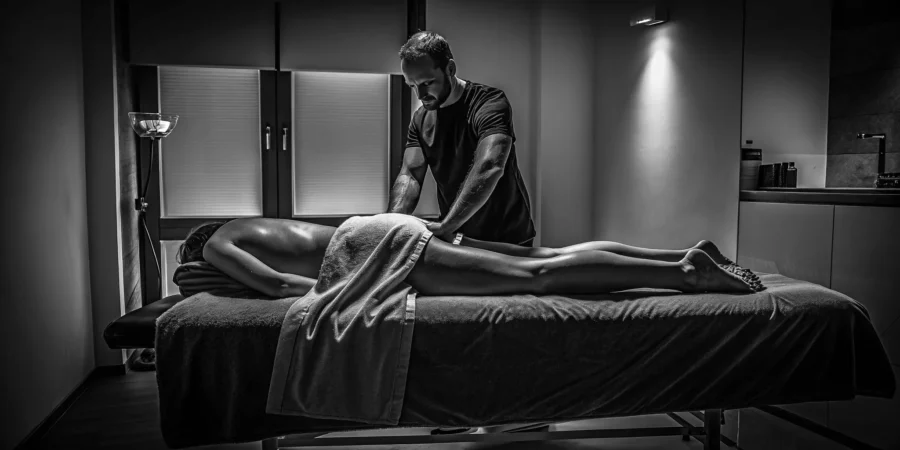
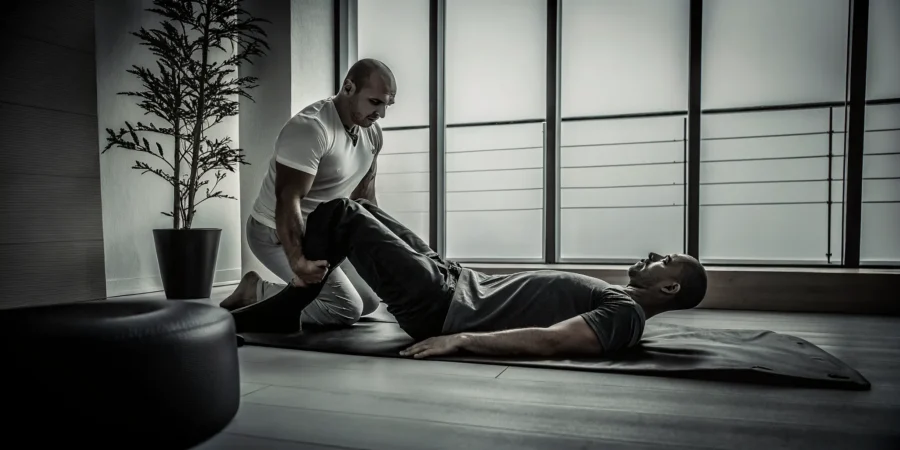
Sharp, stabbing pain in the lower back often signals more than just a long day at the office. This tension masks tight tissues that limit your movement and slow your recovery. True relief requires a structured plan that puts body maintenance above temporary comfort.
Massage for lower back pain is an effective, nonpharmacologic treatment option, and research from the National Institutes of Health shows clinical evidence supports using therapeutic bodywork to manage pain. Instead of temporary relaxation, a fascia-first approach like the DEEP Method™ addresses the entire tissue network to release held tension and restore lasting mobility for active people. By targeting the root causes of tight tissue through a structured system, active people can restore their movement and build the long-term physical resilience needed for recovery. This essential body maintenance helps you keep up with the demands of training and professional work without the changes often found in traditional spa treatments in Austin.
Many people focus on the spot that hurts, but the true source of your pain is found in the nearby tissue network. Understanding how these full-body patterns affect your spine is the first step toward lasting recovery.
The Science of Lower Back Pain: Why Tight Muscles Are Only Half the Story
Low back pain is a very common struggle. Research shows that 70% to 80% of adults deal with this issue at some point. While many people think the problem is just one tight muscle, the truth is more complex. Most cases of long-term pain come from how your whole body moves and carries stress. When one area stops working well, other parts of your body must work harder to help. This leads to a full-body pattern that can make your lower back feel stiff or sore.
The role of fascia in back pain
Muscle tightness is often just a sign of a deeper issue within your fascia. Fascia is the web of tissue that wraps around every muscle and organ. It acts as a full-body system that helps you move with ease. When fascia becomes tight, it pulls on your joints and muscles. This stress often lands in the lower back since it is the center of your body’s movement. Effective massage for lower back pain must look past the surface to address these deeper layers.
How movement patterns lead to strain
Your body is an expert at finding ways to keep you moving, even when you are stiff. If your hips are tight from sitting at a desk, your lower back may start to move more to help out. Over time, this extra work creates a pattern of strain. By the time you feel pain, the root cause may be far from your spine. This is why a DEEP Method for pain relief focus is so helpful. It looks at the whole body as one system. Fixing these patterns helps your relief last.
Why restoring movement matters
Relief from pain is only the first step. The goal of therapeutic work is to bring back your natural range of motion. When your fascia and muscles work together again, your body can move without constant strain. This kind of care is a must for people with active lives in Austin. Regular bodywork helps ensure that your back can handle the stress of daily life and hard training. Working on the full-body system helps you stay mobile and reduces the risk of pain coming back.
Comparing Massage Techniques: Swedish, Deep Tissue, and Fascial Release
When you seek a massage for lower back pain, the method your therapist uses matters. Many people think all massage is the same, but the goals and tools vary. Most spas focus on rest and light touch. At AUSTINDEEP, we focus on clinical fascia-pain massage to help your body move better. This choice is vital if you want more than a short hour of rest.
Swedish massage for light rest
Swedish massage is a common choice for general stress. It uses long strokes to help you relax. This method works on the top layers of your skin and muscle. It is great if you want to feel calm, but it rarely fixes deep issues. For those with chronic back pain, light pressure may not reach the source of the ache.
Deep tissue for target muscle work
Deep tissue massage uses more force to hit deep muscle layers. It aims to break up knots and scar tissue. Many find this helpful for local pain. Evidence shows that massage is a top nonpharmacologic choice for back pain. It can offer fast relief when muscles feel stuck. But, focusing only on muscles might miss the larger connective web in your body.
Fascial release and the DEEP Method
Fascial release is different because it targets the fascia. This is the thin casing that holds your muscles and organs. Tight fascia can pull on your spine and hips, causing pain. Our clinical fascia-pain massage uses the DEEP Method to release this tension. We treat the whole body to ensure your back can move freely. This system is built for active people who need their bodies to stay strong.
| Technique | Tissue Target | Pressure Level | Relief Duration |
|---|---|---|---|
| Swedish. | Skin and top muscle. | Light to Medium. | Hours to Days. |
| Deep Tissue. | Deep muscle layers. | Firm to Strong. | Days to Weeks. |
| Fascial Release. | Connective tissue. | Structured and Precise. | Weeks to Months. |
Choosing the right technique helps you get back to your training and work. If your goal is long-term relief, a fascia-first approach is key. You can find out more about myofascial release for lower back issues at our Austin locations. We provide the body maintenance you need to keep up with a busy life.
The Fascia Connection: How the DEEP Method™ Restores Lower Back Mobility
Many people seek a massage for lower back pain when their muscles feel tight or sore. But focusing on muscles alone often ignores the fascia. Fascia is the tissue that wraps around every muscle and organ in your body. When this tissue stays tight, it limits how well you can move. The DEEP Method™ uses a fascia-first approach to help you find relief that lasts.
The role of fascia in back health
Fascia acts like a web that holds your body together. If one part of the web pulls too hard, it can cause pain in a different area. Tightness in your hips or legs often leads to stress in your lower back. This is why a simple massage may only give you short-term help. By focusing on the full fascia network, DEEP Method for pain relief restores how your whole body moves.
Science shows that soft-tissue work is a strong tool for managing long-term back issues. Recent trials found that this type of work offers relief for chronic back pain. You can read more about these facts in this clinical study on massage. At AUSTINDEEP, we use these rules to build a system that helps your body reset and recover from daily stress.
Precision through the DEEP Method™
Our method is not a spa service. It is a full-body system built for those who train hard and work long hours. Each session follows a set path to ensure you get clear results. Our team learns these skills at The DEEP ACADEMY. This in-house training means every pro you see has the tools to find and release the exact tension holding you back.
Restoring movement is about more than just a quick fix. It is about the body maintenance you need to stay active. Whether you lift weights or sit at a desk, your body needs care to stay strong. By targeting the fascia first, we help you move with more ease and less pain. This plan lets you get back to your life with a body that can keep up with your needs.
Clinical Evidence: What Research Says About Massage for Lower Back Pain
Short-term relief for chronic pain
Research shows that massage for lower back pain works well to ease pain. Many studies look at people with long-term pain. One major review found that massage therapy helps those with sub-acute and chronic lower back pain. In the short term, people felt better than those who did nothing. This study was published by the National Institutes of Health. It shows that the right touch can reduce pain quickly.
For active people in Austin, this means less time on the sidelines. You can get back to your sport or work with more ease. This type of care is part of treating fascia pain to keep the body moving. Chronic pain affects up to 80% of adults at some point in life. This makes it a top health concern for most people. Finding a way to manage it is key to a high quality of life.
A proven drug-free choice
More experts now suggest massage as a top way to treat pain without drugs. Clinical evidence supports massage therapy as a key nonpharmacologic treatment. This means it is a safe choice for chronic low back pain. Doctors often suggest it before they try more risky paths. A study found on Pubmed lists massage as a strong option. It helps the body heal through manual work.
At AUSTINDEEP, we see this every day. Our team uses the DEEP Method for pain relief to target the root of the problem. This approach is not a spa treat. It is a planned path for your health. We focus on results that last. Our work helps you stay strong in your daily life. We want you to feel the change that exact care makes.
Return of normal movement
The goal of clinical bodywork is more than just feeling good. It aims to help you move like you used to. Science shows that massage therapy can lower pain. It also speeds up the return to normal function. This is vital for those who train hard or sit for long hours. When you focus on the fascia, you address the whole body. The DEEP Method™ is a full system built for this task.
It is needed body care for people who need their bodies to keep up. We use an exact plan in every session. This ensures you get the same high-quality care every time you visit. By loosening held tension, we help you reset for long-term relief. Our myofascial release for lower back pain goes deep. It targets the tissue that holds your muscles in place. This leads to better movement and less stress on your spine.
At-Home Care: Support Your Recovery Between Professional Sessions
Expert bodywork sets a strong base for ease. But your daily habits also play a large role. The DEEP Method™ helps to free your fascia and restore motion. To keep these results, you need a plan for home care. This keeps your body strong between your sessions in Austin.
Using a clinical massage for lower back pain aims to lower pain and help you return to normal tasks. Home tools help extend these gains. Think of home care as daily care for your body. It ensures the work done by your expert lasts longer. You want to keep the space your expert created during your visit.
Use Simple Tools for Release
You do not need fancy gear to find ease. A simple tennis ball or a foam roller can work well. These tools help you find tight spots in your fascia. They allow you to put pressure on areas that feel stuck. This is a form of self-care that acts like some parts of a full session.
Using these tools can help with myofascial release for lower back issues at home. It is best to focus on the hips and glutes. Often, back pain starts in the lower half of the body. Freeing these areas can take the pull off your spine. It allows your back to rest and heal.
Stay Active to Stay Loose
Rest is good, but motion is better. Too much sitting can make your fascia stiff. Try to move your body every hour. Even a short walk helps to keep your blood flowing. This helps your tissues stay wet and supple.
Dynamic stretches are also a great choice. They set up your body for the day. They help to wake up your muscles without too much stress. This builds a strong base for your next expert session. When you move well, your body stays in a state of repair.
- Use a tennis ball to free your glutes. Sit on the floor and place the ball under one hip. Roll slowly to find tight spots. Hold the pressure for thirty seconds to help the tissue relax. This helps to ease the pull on your lower back.
- Try foam rolling for your mid-back and legs. Avoid rolling right on your lower spine. Instead, focus on the upper back and the front of your thighs. This helps to balance the tension in your whole body. It keeps your posture from straining your back.
- Add dynamic stretches to your morning routine. Moves like cat-cow or hip circles are very helpful. They move your joints through a full range of motion. This prevents stiffness from building up during the day. It is a quick way to keep your body ready for work.
- Drink plenty of water after your sessions and home care. Water is key for healthy fascia. It helps your tissues stay slick and move well. This lowers the risk of new tension forming in your back. Healthy fascia moves like a wet sponge, not a dry one.
Build a Steady Routine
Body care is not a one-time task. It works best when you do it often. Set aside ten minutes each day for these steps. This small habit can make a big change in how you feel. It helps your body keep up with the stress of a busy life in Austin.
Your home care should help your expert sessions. At AUSTINDEEP, our trained workers give you a deep reset. Your job at home is to keep that new space. Both parts lead to lasting ease and better motion. This steady care ensures you can train hard and work long without pain.
Austin Body Maintenance: Location-Specific Solutions for Lasting Relief
Active people in Austin often push their bodies to the limit. Whether you spend your days on the trails or working downtown, physical stress can build up. This often leads to stiffness and pain that makes it hard to keep going. Many find that a specialized massage for lower back pain is the best way to keep the body moving well. At AUSTINDEEP, we offer a system that helps your body reset so you can stay active.
Convenient care for busy people
Finding time for care can be hard when you have a full schedule. That is why we have clinics in areas like Downtown, Barton Creek, and Lake Austin, offering therapeutic full-body DEEP Method™ sessions. We want to make it easy for you to get the body maintenance you need without a long drive. Our goal is to give you a place where you can get focused work on your muscles and fascia. This helps you get back to your day with less pain and more focus.
Regular sessions are key to long-term health and power. Instead of waiting for an injury, many of our clients use our work as a part of their routine. Research shows that massage is a strong choice for those with chronic back issues. According to the National Institutes of Health, data supports massage as a top way to treat lower back pain without drugs. By picking a local spot near your work or home, you make it easier to reach your goals.
Structured sessions with the DEEP Method™
At AUSTINDEEP, we do not offer a standard spa visit. Every session uses our own DEEP Method™ to find and fix the root cause of your tension. Our team goes through the DEEP ACADEMY to learn how to give a high-quality result every time. This fascia-first path is different because it looks at how your whole body moves and carries stress. If you are new to this work, you should learn what to expect during your first deep tissue session in Austin.
Our focus is on movement and strength. We want to help you build a body that can handle the stress of a busy Austin life. When your fascia is tight, it can pull on your joints and cause pain that lasts for weeks. By using deep, slow strokes and focused pressure, we help release those tight spots. This leads to relief that helps you stay in the game, whether that means a hard workout or a long day at the desk. Book a DEEP Method™ session at the Austin location closest to you.
Frequently Asked Questions
Can massage help with chronic lower back pain?
Clinical research shows that massage therapy can manage chronic pain well. According to studies on PubMed, it is a good non-drug treatment for lower back issues. The process helps by releasing tight spots in the fascia and muscles. While it gives great short-term relief, steady body care is key for long-term movement. This approach reduces pain and helps people return to their normal daily tasks faster.
Is massage better than other treatments for back pain?
Research shows that massage may offer better pain relief than other active treatments for some people. A study on PubMed shows that it helps with both short-term and long-term back issues. It is very good for quick relief and better movement. Combining bodywork with regular exercise often gives the best results. The DEEP Method™ focuses on the whole body to ensure the relief lasts and helps you stay active.
How often should I get a massage for lower back pain?
The right schedule depends on your activity level and pain goals. Many active people find that a session every two to four weeks keeps their body in top shape. Steady care allows the DEEP Method™ to fix new tension before it causes a flare-up. This regular plan helps build long-term strength and restores full movement. Think of it as a tool to help your body keep up with a busy lifestyle.
Why does my back hurt after a massage?
It is common to feel some soreness for a day or two after deep bodywork. This happens as the body reacts to the release of tight fascia and old tension. The feeling is often like the muscle ache you get after a hard workout. Drinking plenty of water and moving gently can help you recover. This mild ache usually fades fast, leaving you with better movement and less chronic pain.
Ready to find lasting relief from lower back pain?
Living with lower back pain makes every small task feel like a hard chore. If you wait to deal with the stiffness, your body will likely find new ways to shift the load and cause even more pain. This tension can keep you from the sports you love and the focus you need at work. When you choose to act now, you give your body the reset it needs to heal and move with ease again. Starting today means you can win back your range of motion and stop the cycle of pain before it gets worse. Our steady sessions provide the proper care your body needs to stay tough and strong for years to come. You do not have to just live with the ache when a clear path to healing is ready for you. Taking the first step now ensures you do not lose more time to injury or stress.
Ready to book? Call 512.476.5226 to schedule a therapeutic bodywork session.