Massage for mobility uses therapeutic bodywork to address muscle and fascia tension that may restrict comfortable, controlled movement. For active people and desk workers alike, a fascia-first, full-body approach can support easier motion, recovery, and resilience while complementing regular movement and appropriate medical care.
Book therapeutic bodywork for better movement
Restricted movement is a heavy tax on an active body. When your fascia tightens and joints stiffen, your performance suffers. True recovery requires a method that addresses these physical blocks at their source. Many people confuse simple flexibility with the functional movement that keeps them in the game.
What mobility really means for an active body
Mobility is the ability to control your body through a useful range of motion, not simply the ability to stretch. It combines joint movement, muscle control, and coordination so active people and desk workers can move with greater ease during workouts, daily tasks, and long hours of sitting.
Mobility is your power to control your body through a full range of motion. It is what lets you lift a heavy bag or sprint without a second thought. This active control is the key to moving well for a long time.
When you have good mobility, your joints move as they should. You do not feel like you are fighting against your own skin. This is vital for anyone who trains hard or sits for long hours.
Using massage for improved mobility helps keep those pathways open. It ensures that your body stays a tool for your life rather than a source of stress. It helps you stay ready for your next workout.
The gap between length and control
Muscle length is how far you can stretch. It is a passive state. If you can pull your arm across your chest, you have length. Mobility is the active version of that. It is the strength you have while you are in that stretch.
If you can move your arm through its full circle with ease, you are mobile. Both are needed for a healthy body, but mobility is what keeps you safe during a workout. It lets you move with skill.
Studies support this link between muscle health and movement. In fact, health research shows that massage can help joints move through a larger range by letting muscles relax. This allows for smoother movement in daily life.
This is not just about feeling good. It is about changing how your body works. When your muscles are not tight, your joints do not wear down as fast. This leads to a longer, more active life in the city you love.
Signs that your body needs a reset
If you live an active life in Austin, you will likely feel “stuck” at some point. It might happen after a long day of work or a heavy leg day. These limits are your body’s way of saying it needs help.
You might notice that your gait feels off when you walk. Or maybe your shoulders feel high after a long drive. These are clear signs that your mobility is low. You should not ignore these cues from your body.
Watch for these common signs of poor movement:
- Tension in the neck or back that returns every morning.
- A loss of depth in your squats or lunges.
- Joints that feel stiff when you first wake up.
- The need to stretch for a long time just to feel normal.
How fascia affects your every move
Fascia is the web of tissue that wraps around every muscle in your body. When it is healthy, it glides. When it is stressed, it sticks. This glue-like feel is what creates that tight sense that a plain stretch cannot fix.
The DEEP Method is a fascia-first system. It works to release those stuck points so your muscles can move again. It is a full-body way to look at how everything is linked as one.
This kind of steady body care is a must for people who do a lot. It is about more than just one session. It is a habit that builds toughness. It helps you keep your body in top shape.
Research shows that regular massage aids in muscle healing and helps you perform better. By keeping your tissue healthy, you ensure that your body can keep up with your goals.
You can stay in the game, whether that means a marathon or a busy week at work. It helps you stay tough so you can live your life without limits. It is the base for a healthy, moving body.
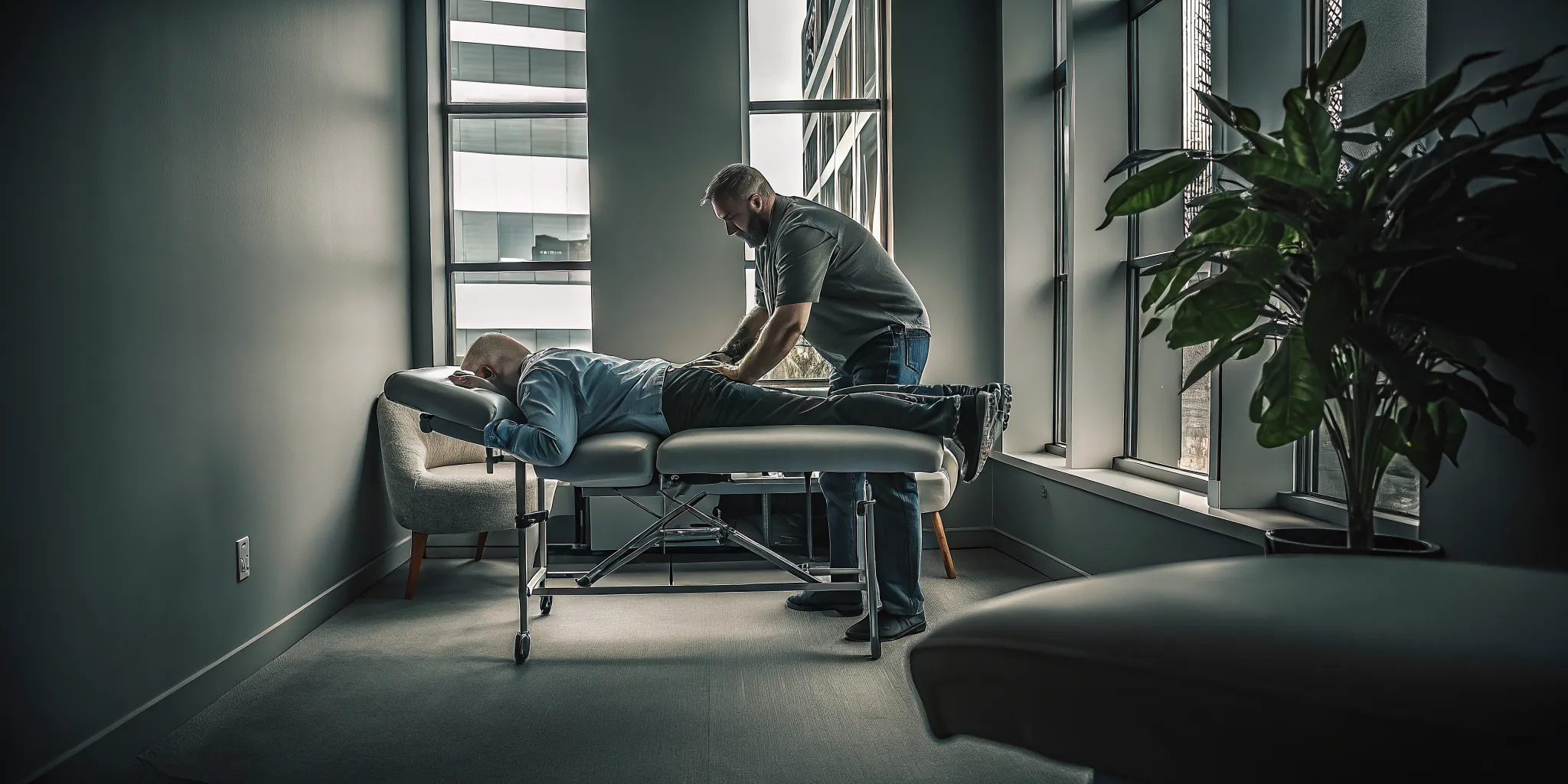
How does massage for mobility support movement?
Massage for mobility targets muscle and connective-tissue tension that may limit comfortable movement. By working on restricted areas, therapeutic bodywork may help muscles relax and joints move through a more useful range. Research suggests massage can reduce muscle tension, supporting easier daily tasks, workouts, and recovery.
Releasing the fascia layer
A big part of the work involves fascia. This is the web of tissue that wraps around your muscles. If this tissue gets stiff, it acts like a tight suit that keeps you from moving well. The DEEP Method uses a fascia-first approach to break up these sticky spots. This type of massage for improved mobility helps the body reset and lets the layers of tissue glide. This makes your motion much smoother.
Improving joint range of motion
Working on the spots where muscles and tendons meet can lead to great results. For example, studies show that short-duration massage on the hamstrings can boost how far you can move. This direct work helps the body get past physical blocks that cause stiffness. Over time, these sessions build better strength so your body can keep up with a busy life in Austin.
Supporting muscle recovery
Recovery is key to staying mobile if you train hard or have a physical job. Therapeutic work helps the body bounce back by aiding in muscle repair after hard work. This consistent body maintenance keeps your tissues healthy and ready for action. By making recovery a part of your routine, you ensure that small aches do not turn into long-term limits on your movement.
When can massage help a mobility restriction?
Massage may help when mobility feels restricted by general muscle or fascia tension from stress, training, physical work, or long hours at a desk. It can support more comfortable movement and recovery. Sharp pain, new injury, visible swelling, or loss of function requires medical evaluation before bodywork.
Muscle and fascia tension
Many movement issues come from tension in your fascia. Fascia is the web of tissue that wraps around your muscles. If this tissue gets tight, you may feel stiff. Specialized massage for improved mobility targets this tissue to break down tight spots. This helps your body reset so you can move with more ease. Regular care keeps your tissues soft and ready for the demands of your day.
Safe body maintenance
It is good to know when to see a therapist and when to see a doctor. Bodywork is a great tool for consistent body maintenance when you have general stiffness. But if you have sharp pain, a new injury, or swelling, you should talk to a doctor first. Therapeutic massage works best on chronic tension and recovery needs. This table helps you see when to book a session for mobility help.
| Condition | Bodywork Goal | When to Book |
|---|---|---|
| General stiffness | Release muscle tension | Session suggested. |
| Post-workout recovery | Aid muscle reset | Session suggested. |
| Chronic desk tension | Restore movement | Session suggested. |
| Sharp or sudden pain | Medical check first | See a doctor. |
| Visible swelling | Medical check first | See a doctor. |
| Loss of limb function | Medical check first | See a doctor. |
Performance and recovery
Active people use massage to stay strong. Studies show that even a short massage on specific areas can increase your range of motion. This helps you train hard and recover fast. By keeping your muscles healthy, you reduce the risk of blocks that can slow you down. A steady plan for bodywork ensures your body can keep up with your goals.
Explore AUSTINDEEP therapeutic bodywork services
Why a fascia-first, full-body approach matters
A fascia-first, full-body approach considers how connective tissue and movement patterns across the body may contribute to stiffness in one area. Rather than treating massage as simple relaxation, this method addresses linked areas of tension to support smoother movement, balanced recovery, and consistent body maintenance.
How fascia affects your movement
Fascia is like a suit of armor that can get too small. If one part of the suit is tight, it pulls on everything else. This tension can lead to pain and make it hard to reach or bend. High-quality massage for improved mobility works to loosen these spots. By working the fascia, a therapist can help your muscles slide and glide again. This work is a key part of staying fit as you age.
Science shows that this type of work has real benefits. Research found that massage can lower muscle tension and help joints move through a wider range. This is why massage for mobility is so useful for athletes. It does more than just make you feel good for an hour. It helps your body work the way it should during your next workout or long day at the office.
Precision through expert training
Many spas offer a mix of styles that change based on who you see. This can lead to mixed results. We take a different path. Every therapist at our Austin spots goes through the DEEP Academy. They must finish 500 hours of training in our own method. This makes sure that every session follows a proven path. You get the same expert care every time you book a visit.
This training focus on the DEEP Method means we do not guess. We use a set structure that targets the root of your stiffness. Our team learns how to find held tension in the fascia and release it with care. This level of skill is rare in the world of bodywork. It turns a simple visit into steady body care that supports your long-term health and reset goals.
The need for a full body reset
Pain in your knee might really start in your hip or back. If a therapist only looks at one spot, they might miss the real cause. That is why a full-body system is vital. We treat the body as one linked unit. By working from head to toe, we make sure that every part of the fascia web is loose. This helps your whole system reset and stay in balance.
- Proven sessions for steady results.
- Focus on fascia to help you move with ease.
- Expert care from in-house trained pros.
- A full-body plan to address hidden tension.
This method is built for people who ask a lot of their bodies. Whether you train for a race or sit at a desk, you need your tissues to be soft. A full-body reset helps you carry stress without getting hurt. It is an active way to keep your body ready for whatever comes next. When your fascia is healthy, you can move through life with more grace and less pain.
How to build massage into your mobility routine
Build massage into a mobility routine by pairing periodic therapeutic bodywork with regular movement, recovery, and communication with your therapist. Bodywork can address tension, while daily movement helps you use the available range. Choose a schedule based on your needs rather than treating massage as a one-time fix.
Fascia and movement
Fascia is a thin net of tissue that wraps around your muscles. If this tissue gets too tight, you will feel stiff. A deep session works to free this tissue so you can move with more ease. This massage for improved mobility helps your body reset after a long day of work or play. Studies show that massage cuts muscle tension and helps joints reach their full range.
When you have less tension, your joints move more freely. This means you can run, lift, or play with less risk of harm. It also helps your body stay in a good state as you age. Deep work on your tissue is a great tool for anyone who wants to stay active and fit.
Water and prep steps
You should not walk into a session without any prep. Your muscles need water to stay soft and ready for deep work. Drink at least two cups of water before you go to see your therapist. This helps the deep pressure reach the layers of tissue that need the most help. It also makes the session feel better and brings faster results.
You can also do a few light moves before your session. A ten minute walk or some easy arm circles can help. This gets your blood flowing and warms up your skin. It tells your brain that it is time to relax and let the deep work take hold. Small steps like these make a big change in how you feel later.
A routine for better movement
Building a routine does not have to be a chore. You just need to follow a few simple steps each week. Most people find that consistent body maintenance leads to the best long term health. Use this list as your guide for your next session.
- Drink water early. Start your day with a lot of water. This keeps your tissue wet and ready for the deep work.
- Warm up your body. Do light moves for ten minutes. A walk or slow yoga can help prepare your muscles for the therapist.
- Focus on stiff spots. Tell your therapist where you feel tight. This helps them find the spots that need the most care.
- Stay loose after. Do not go straight to a chair after your work. Walk for a few minutes to help your body learn its new reach.
- Get good rest. Sleep is when your body builds back. Make sure you get eight hours of rest to let your muscles heal.
Pairing these steps with your daily life will keep you on a good track. It helps you stay agile and ready for any task. If you work at a desk or train for a race, this routine keeps your body in its best form. It is a simple way to take charge of how you move each day.
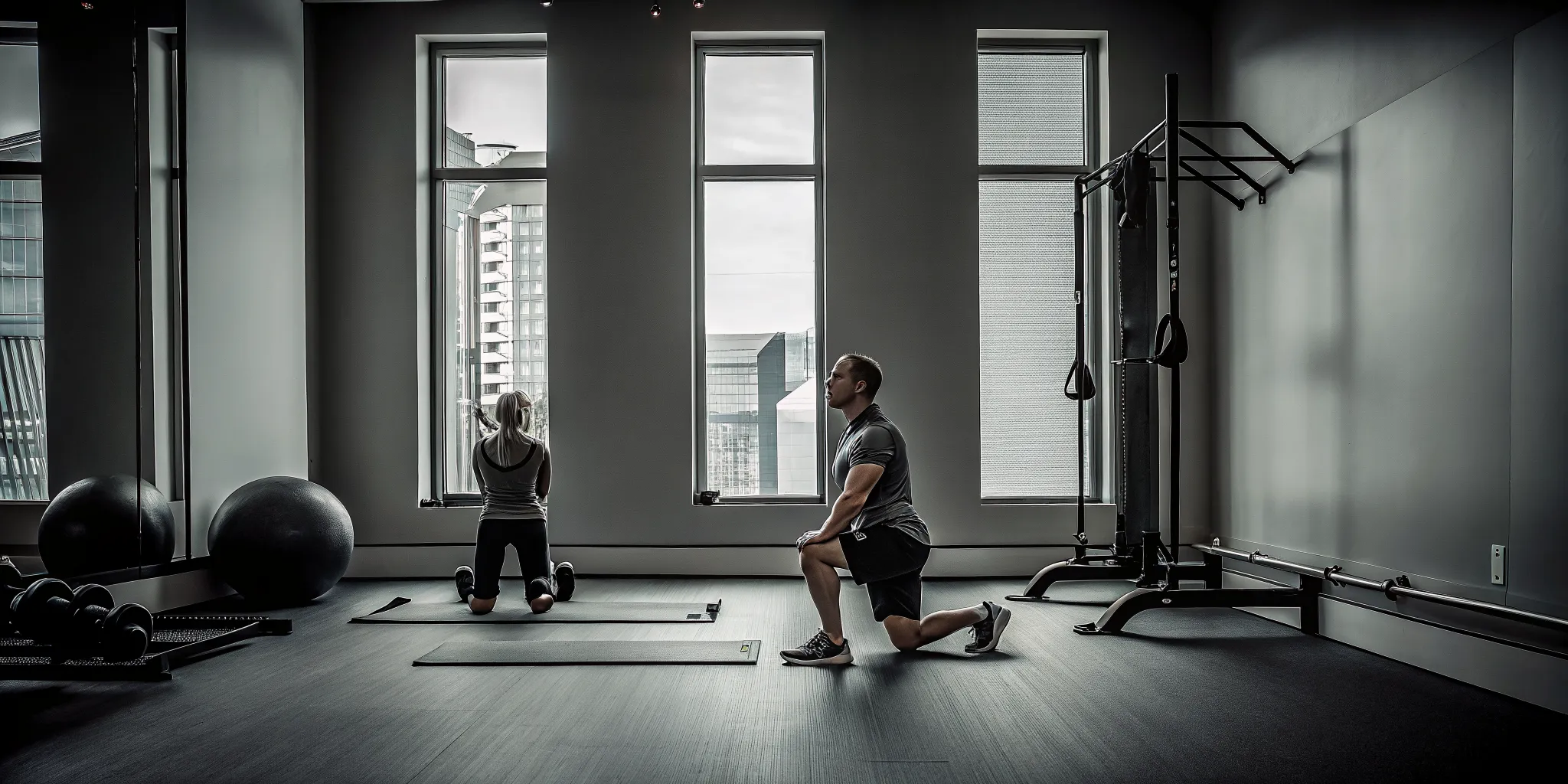
What should better mobility feel like?
Better mobility should feel like more comfortable, controlled movement during everyday tasks and training. After massage for mobility, you may notice less drag from tense muscles, easier reaching or bending, and smoother movement through a useful range. Results vary, and lasting progress usually requires regular movement and recovery.
Easier daily habits
The first signs of progress often happen during simple tasks. You might find it easier to reach for a high shelf or tie your shoes without a groan. These small wins show that your tissues are becoming more soft and quick to react. Massage therapy helps reduce muscle tension, which can directly improve the range of motion in your joints. When you lose that stiff feeling, you gain the freedom to move through your day with ease.
Better movement does not just mean you are more flexible. It means your body is ready to react to the world around it. You may feel more stable when you walk on uneven ground. You might also find that you can sit for longer times without the usual ache in your hips or back. These changes show that your body is resetting to a more natural and useful state.
Better movement in training
For those who train hard, better mobility is a tool for better work. You may find that your form in the gym stays sharp even as you get tired. Your squats might feel deeper, or your stride might feel longer during a run. This happens because your body can move through its full range without hitting a wall of tension. You are not just moving more; you are moving with better skill and less risk of strain.
Recovery also plays a big part in how your body feels after a session. Consistent body maintenance helps your muscles bounce back faster from tough workouts. When your tissues are healthy, they can handle more stress without breaking down. This leads to a body that feels strong and tough rather than brittle and tight. You will spend less time fighting your own body and more time hitting your goals.
Lasting results through care
A single session can make you feel great, but lasting change takes time. True mobility is built through a steady routine of care and movement. You should feel a sense of ease that stays with you long after you leave the table. This deep relief comes from work that targets the fascia and connective tissues rather than just the surface of the skin. It is the difference between a short fix and a real shift in how your body works.
To keep these gains, you must pair your bodywork with regular movement. Massage for improved mobility works best when you use that new range of motion in your daily life. Your body learns to stay open when you move through those new paths often. Over time, this ease becomes your new normal. You stop thinking about your pain and start focusing on what your body can do for you.
If limited mobility is slowing you down, schedule a therapeutic bodywork session at one of our three Austin locations.
Book a session to support your mobility routine
Frequently Asked Questions
These common questions explain which therapeutic massage styles may support mobility, how often bodywork can fit into a routine, and what results to expect. Massage can complement movement and recovery, but sharp pain, new injury, swelling, or loss of function requires medical evaluation first.
What types of massage are best for mobility?
Deep tissue and therapeutic massage are the best styles for better movement. Unlike a spa massage, these methods reach the deep layers of muscle to release long-term stiffness. The DEEP Method targets the fascia to help the body reset and move well. According to the AUSTINDEEP service guide, these focused steps provide the care needed to fix the cause of tight joints.
How often should I get a massage for better mobility?
Most active people get the best results with a session every two to four weeks. This plan allows for steady tissue care and stops tension from building up. Regular work makes sure that your muscles and fascia stay soft and strong under the stress of hard work. According to AUSTINDEEP, steady body maintenance is a key part of helping your body keep up with a busy life or a tough training plan.
Does massage for mobility provide long-term benefits?
Yes, therapeutic work brings lasting change when you make it part of a full plan. While one session can help you feel loose fast, regular bodywork gives your body a deeper reset. Combining this care with mobility moves leads to the best results for your range of motion. As noted in the AUSTINDEEP FAQ, short-term gains in reach can turn into long-term strength with a steady routine of specialized body care.
Can massage therapy help increase range of motion?
Massage is a great tool to help your joints move further by lowering muscle tension. By breaking down tight spots and freeing the fascia, these methods allow for a full range of movement. Clinical research in PubMed shows that massage on your muscles can help your joints reach much further. This makes it a top choice for people who want to move with more ease and less pain.
Ready to book your therapeutic bodywork session?
Therapeutic bodywork can support people managing chronic tension, tight muscles, and restricted movement. AUSTINDEEP uses a fascia-first, full-body approach designed to help the body reset and maintain easier motion. Book when you are ready, but seek medical evaluation first for sharp pain, new injury, swelling, or loss of function.
Chronic pain and tight muscles can stop you from doing the things you love and keep you from doing your best work. If you do not deal with these issues now, they often get worse and lead to more stiffness that is hard to fix later. Choosing to act today means you can start to let go of that held tension and bring back your normal movement for better health. The sooner you begin, the faster you can get back to training hard and working long hours without constant pain. Our local Austin team uses a proven system to help your body reset. You can gain the lasting relief you need to move well for years to come.
Ready to book? Call 512.476.5226 to book your therapeutic bodywork session.