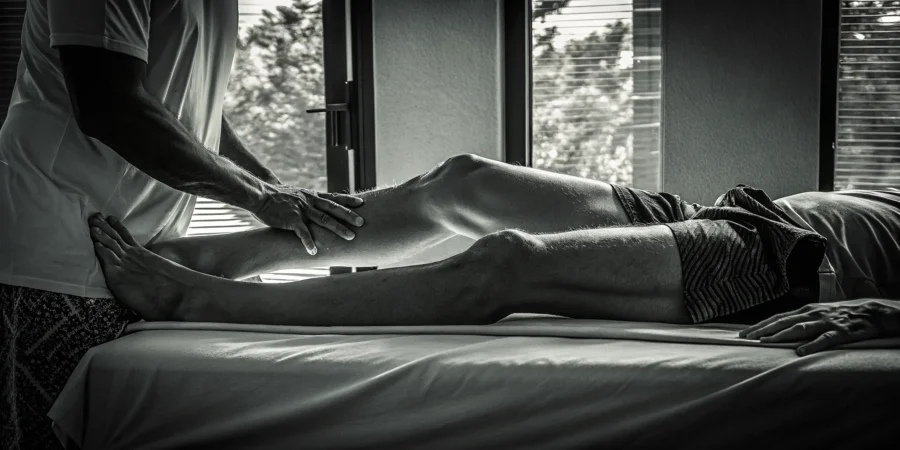
Heavy strength training can leave your body feeling rigid long after the last set. When soreness starts limiting your next workout, it is time to treat recovery like part of the training plan.
Book your AUSTINDEEP recovery session and give your body the reset it needs to keep training.
How massage for muscle recovery supports strength training
Targeted massage for muscle recovery can reduce post-exercise soreness and help restore comfortable movement after demanding strength sessions. Research shows massage can lower soreness ratings for up to 72 hours after intense exercise. A fascia-first approach also addresses held tension that may restrict movement, helping your body reset so you can return to training with better mobility.
Strength training puts a lot of stress on the body. This stress leads to small tears in muscle fibers. To grow stronger, your body must repair these tears. Use of deep tissue bodywork can help this process by sending more blood flow to the area. This helps move food for your cells into the tissue to speed up the fix. It also helps clear out waste that builds up during a hard workout.
Reducing post-training soreness
Delayed onset muscle soreness (DOMS) often peaks two days after a heavy lifting session. This pain can make it hard to stick to your training plan. Research shows that massage for muscle recovery greatly lowers soreness ratings at 24, 48, and 72 hours after intense work. By lowering these pain ratings, you can move better throughout your day.
For people who train hard in Austin, this can mean less time feeling stiff. By managing soreness and held tension, you can return to the gym with more trust in your body.
This helps you keep a steady rhythm in your weekly plan without losing progress. Regular sessions work best to keep your body moving well. This keeps you on track for your long-term goals.
Muscle damage markers
The benefit of massage goes beyond just feeling better. It also affects the chemicals in your blood. Hard training raises levels of serum creatine kinase (CK).
High CK levels are a clear sign of muscle damage and fatigue. If these levels stay high, it can lead to burnout. This makes it harder for your muscles to grow and recover.
Studies have found that massage care lowers serum CK levels after exercise. This drop suggests that the body is recovering faster from the strain of heavy lifts. AUSTINDEEP uses the DEEP Method™ to target these areas.
Our goal is to help your body reset so you can stay strong during a long training block. We focus on the fascia to ensure every part of the muscle can move without tight spots. This full-body approach helps you maintain peak form.
Upkeep vs medical care
It is important to know what massage can and cannot do. AUSTINDEEP helps with body upkeep and recovery support. We do not provide medical treatment for injuries or bill insurance.
Our work is for people who need their bodies to keep up with high demands. It is not about resting or a spa day. It is about keeping your body in top shape for your sport.
While myofascial release for recovery is helpful, it does not replace a doctor. If you have a sharp pain or a torn muscle, see a doctor first. Once you have a clean bill of health, regular sessions can help prevent future issues.
This approach treats recovery as a part of your daily job. Many elite sports teams use massage as a key part of their weekly schedule to keep players on the field. This helps them stay healthy and perform at their best.
Explore AUSTINDEEP services to find the right body-maintenance session for your training demands.
Why a fascia-first approach matters after lifting
Heavy lifting puts stress on more than just your muscle fibers. It also affects the fascia. This is a thin web of tissue that wraps around every muscle and organ in your body.
When you train hard, this tissue can become tight and “glued” together. This leads to what many call held tension. Using therapeutic deep tissue bodywork can help release these spots. It allows your body to move freely again.
It is a key part of any plan that uses massage for muscle recovery. When fascia is healthy, it is slidey and wet. This allows your muscles to glide past each other as you move.
But after a hard gym session, the fascia can become dry and sticky. This change creates “knots” or trigger points that make your body feel stiff. If you do not address this sticky tissue, it can lead to long term movement limits.
How held tension affects your progress
Held tension is not just a feeling of being tight. It is a state where your tissue stays in a locked place. This happens because the fascia thickens to protect your body from further stress.
While this helps in the short term, it slows down your path to new gains. Studies show that massage for muscle recovery reduces soreness ratings a lot after intense exercise. By loosening the fascia, you help your body start healing.
This approach also helps with blood flow. When your fascia is tight, it acts like a kink in a garden hose. It slows down the blood that needs to reach your muscle cells to help them grow.
Better flow means more oxygen and nutrients get to where they are needed most. Research shows that this type of therapy lowers levels of serum creatine kinase. This is a marker in your blood that signals muscle damage.
The DEEP Method vs spa massage
A plain spa massage often stays on the surface. It uses light strokes to help you feel calm. While this is nice for stress, it does not do much for the deep bonds in your fascia.
The AUSTINDEEP DEEP Method is built to go further. Our therapists use myofascial release for recovery to target the deep layers of tissue. This technique breaks up the “glue” that keeps your muscles from working at their best.
Each session follows a set structure to make sure you get the same high quality results every time. We focus on results, not just a spa feel. This helps you build body resilience over time.
When you make this part of your weekly routine, you prepare your body for the next big lift. You stop just reacting to pain. You start building a body that can handle more weight and more work.
When should you schedule massage around strength training?
Timing your therapeutic deep tissue bodywork can be the link between a fast reset and a slow gym session. Most people think of massage as a post-workout treat. But the best time to book depends on your training cycle and how you react to deep pressure. Choosing the right window helps you deal with muscle soreness. It also keeps your fascia ready for a heavy load.
Post-workout recovery windows
Getting a massage soon after a hard lift is a common choice. This help you manage delayed onset muscle soreness (DOMS). Studies show that massage can lower soreness for up to 72 hours after hard work. At AUSTINDEEP, our DEEP Method™ focuses on the fascia. This helps your body reset after you push it to the limit. Most clients find that a session 24 to 48 hours after a heavy day offers the best relief.
Research shows that massage after exercise also lowers signs of muscle damage. One sign is serum creatine kinase. By lowering these levels, you may find that you can get back to your training with more ease. This post-lift timing is best if your goal is to reduce the stiff feel that follows a new record or a high-volume week. For practical booking and session questions, review the AUSTINDEEP massage FAQ.
Pre-training and rest day timing
Booking a session before a big lift needs more care. Deep work can leave your muscles feeling heavy or too relaxed for peak force. If you want to use massage to help your movement, aim for 48 to 72 hours before your next heavy day. This gap lets your body adjust. It also ensures you have the tension you need for stability. You can also try myofascial release for recovery on your rest days. This keeps your tissues moving well without the fatigue of a hard workout.
For long-term results, many athletes use massage between training blocks. This fix held tension before it limits your performance. Using a steady plan helps you keep the strength you need for a busy Austin life. A rest day session acts as a proactive reset. It gets your body ready for the next phase of your program.
| Timing Option | Best Use Case | Primary Benefit |
|---|---|---|
| Shortly After (2-24 hrs) | End of a hard week | Lowers muscle damage signs |
| Post-Lift (24-48 hrs) | Peak muscle soreness | Less soreness and stiffness |
| Rest Day | Active recovery | Better fascia and mobility |
| Pre-Lift (48-72 hrs) | Before a heavy session | Better range of motion |
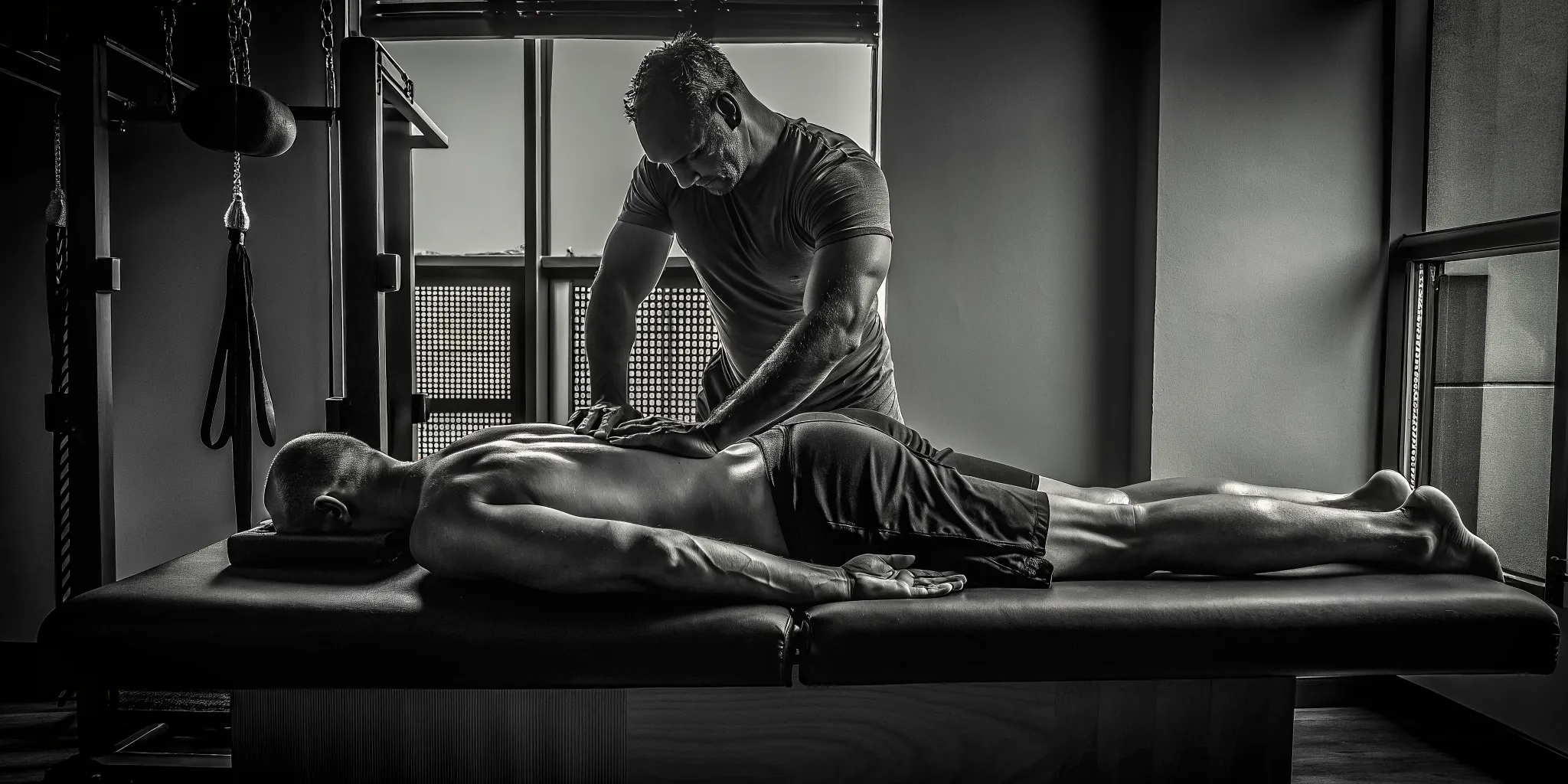
How to build massage into your recovery routine
Making therapeutic deep tissue bodywork part of your life takes more than one visit. To see real results, you must treat it like your gym time. A good plan helps your body reset and keeps you moving well. It also ensures you get the most out of every hour you spend on the table at our Austin spots.
Timing your sessions
Most people wait until they are in pain to book a spot. But using massage for muscle recovery works best when you are proactive. Regular visits help find tight spots before they turn into injury. For many athletes, bi-weekly massage sessions lead to better results than going once a month. This steady pace keeps your tissue supple and ready for your next hard workout. Your plan should change based on how hard you train. If you lift heavy, you may need more work. During light weeks, focus on easy movement to stay loose.
Supporting your tissue
Your body needs more than just pressure to heal. What you do at home matters just as much as what happens in our offices. Drinking enough water and eating well helps your muscles bounce back. Proper myofascial release for recovery relies on healthy tissue. When your fascia is slick and moves easily, your body can reset faster. This balance helps keep your progress steady and avoids the risk of overdoing it.
To build a solid routine, follow these simple steps to help your body heal.
- Pick a set time for your bodywork. Booking your spots weeks ahead helps you stay on track with your goals.
- Match your visit to your training load. Go deeper after heavy lifting weeks and stay lighter before a big race or game.
- Move your body every day. Light walks or gentle stretches help keep your muscles loose between your deep tissue visits.
- Keep track of how you feel. Note your energy levels and any aches so your therapist can focus on the right areas.
- Focus on deep sleep. Most muscle repair happens while you rest, so aim for seven to nine hours of sleep each night.
The value of steady habits
A single massage can lower soreness for up to 72 hours. Research shows that massage reduces muscle soreness by a large amount when used after tough exercise. But the gains build up over time. When you make bodywork a habit, you build a body that is strong and stays ready for stress. This long-term view is what sets top pros apart from those who just react to pain.
Contact AUSTINDEEP if you want help choosing the right recovery timing for your training schedule.
What signs suggest it is time for a recovery session?
Your body is a fine-tuned tool. When you push it hard in the gym or at work, it gives you signals. If you ignore these signs, you may hit a wall. Using therapeutic deep tissue bodywork helps you stay on track. It is not just about feeling good for an hour. It is about keeping your body ready for the next challenge.
Chronic tightness and limited range
Do you wake up feeling stiff every morning? If your muscles feel tight for days after a workout, you might need help. This is often more than just normal soreness. Experts have found that massage for muscle recovery helps reduce soreness and boosts how you move. When your joints do not move as well as they used to, your fascia may be stuck. This constant tension can lead to more stress on your joints.
Our myofascial release for recovery targets these deep layers to restore your full range of motion. A session helps release these patterns so you can move with ease again. You may also notice that your form starts to slip during your lifts. If you cannot hit the same depth in your squat or reach as far in your pull, your body is guarding itself. Deep work resets the system and lets your muscles work as they should.
Asymmetry and stalled progress
Does one side of your body feel tighter than the other? Asymmetry is a big red flag for anyone who trains. When one side is stuck, the other side has to work harder to make up for it. This uneven feel can lead to pain or even injury over time. Expert work helps find these spots and even them out. Proper care ensures that both sides of your body share the load. This balance keeps you strong and safe.
If you feel like your progress has stopped, your recovery may be the cause. You might feel tired all the time or notice that your strength is not going up. High levels of muscle damage can slow you down. A session can help lower these signs and improve your power. This allows you to bounce back faster and keep making gains in your training. It moves you past the plateau and back into growth.
Knowing when to see a doctor
While body care is key, some signs mean you need a doctor. If you feel sharp, stabbing pain that does not go away, do not try to work through it. Swelling that is hot to the touch or sudden loss of feeling are also red flags. These signs may point to a tear or a major injury. A recovery session is meant to help with tension and fatigue. It is not a fix for broken bones or deep tissue damage. Always listen to your gut. Seek expert help for severe symptoms.
What to expect from the DEEP Method after hard training
When you finish a heavy gym day or a long run, your muscles often feel tight and sore. AUSTINDEEP uses the DEEP Method to help your body reset. This fascia-first system goes beyond a basic massage for muscle recovery. It targets the thin tissue that wraps around your muscles to release held tension. Our goal is to give you lasting relief so you can keep training at your best.
Fascia-first healing process
The DEEP Method focuses on the full body. We look at how your fascia holds stress. Fascia is the thin layer that covers every muscle. When it gets tight, it can limit how you move. By using myofascial release to help you heal, our team helps loosen these tight spots. This work helps your body bounce back from the strain of hard training.
Research shows that deep tissue work can make a big change for athletes. For instance, getting a massage after hard exercise can lower muscle soreness for up to 72 hours. A study on the National Institutes of Health site found that massage reduced soreness a lot compared to no treatment at all. This means you can return to your gym routine with less pain.
Precision through in-house training
Every session at AUSTINDEEP follows the same proven structure. Our team learns this system through the DEEP ACADEMY. This in-house training program ensures that you get the same high-quality care at every visit. You do not have to worry about which therapist you book with. Each one knows how to find trigger points and apply the right pressure for your needs.
During your first visit, you can expect clear talk about pressure. Our work is precise and deep. It is not like a spa trip meant for relaxation. We focus on results. Your therapist will check in to make sure the pressure feels right for your body. This helps us target deep damage and move waste out of your tissues more quickly.
Consistent maintenance for better results
To get the best outcomes, you should make bodywork a regular part of your life. While one visit helps, staying consistent builds resilience. For people who train hard, therapeutic deep tissue bodywork acts as preventive maintenance. It keeps small issues from turning into big injuries that stop your progress.
Studies suggest that how often you go matters for how you heal. For example, athletes who get sessions twice a week often see better results than those who go less often. Regular sessions help you stay limber and keep your serum creatine kinase levels low. This marker is a sign of muscle damage. Keeping it low helps you stay ready for your next big workout.
After your session, you may feel some light soreness. This is normal. It shows that the work is helping your body heal. Drink plenty of water and allow yourself time to rest. You will likely feel more mobile and less stiff as the hours pass. This lasting relief is why so many Austin athletes trust the DEEP Method to keep them moving.
Ready to get back to your training with less soreness and better recovery? Book your AUSTINDEEP session and let our therapists help your body reset.
Frequently Asked Questions
Does massage therapy slow down muscle recovery?
No, professional massage does not slow your recovery. When done right, it helps by increasing blood flow to your muscles. This process brings in fresh nutrients and carries away waste products that build up during hard training. Research shows that massage treatment can clearly lower soreness levels compared to no care at all. This allows you to return to your lifting routine sooner and with less pain.
How often should you get a massage for muscle recovery?
Most experts suggest getting a session once every week or every two weeks to see the best results. The right timing depends on how hard you train and your own recovery needs. Studies show that bi-weekly massage sessions lead to better outcomes for athletes who need steady body maintenance. Regular visits help prevent tension from building up and keep your fascia healthy for long-term strength.
Can massage help reduce delayed onset muscle soreness?
Yes, massage is very effective at reducing delayed onset muscle soreness, also known as DOMS. It works by lowering swelling and helping tight tissues move better. According to academic research, receiving a massage can lower muscle soreness for up to 72 hours after hard exercise. This makes it a key tool for those who lift heavy weights and want to avoid feeling stiff for days.
Does massage help reduce muscle damage after lifting?
It does help by lowering markers of muscle damage in the body. Specifically, massage therapy has been shown to reduce levels of serum creatine kinase. This is a protein that leaks into your blood when your muscle fibers are strained during a workout. Lowering these levels through therapeutic bodywork shows your body is healing faster. This type of active recovery supports your goals by protecting your muscle tissues.
Ready to book your recovery session?
Delaying your recovery can lead to tight muscles and a higher risk of injury during your next gym session. Starting your body maintenance now helps you stay on track with your training goals and keeps your movement fluid. Taking care of your body today means you can push harder tomorrow without the drag of chronic tension or stiff joints. You can see the full list of our therapeutic deep tissue bodywork options on our services page.
Book your recovery session to get back to training at your best.
Our team is ready to help you reset and find lasting relief so you can keep doing the work you love in the gym.