A well-timed post workout massage can turn recovery from an afterthought into practical body maintenance. Instead of waiting until tension disrupts your training, therapeutic bodywork can help you address soreness, restore comfortable movement, and stay consistent. At AUSTINDEEP, the fascia-first DEEP Method treats the full body with a clear goal: lasting relief, mobility, recovery, and resilience, not spa relaxation.
Book your post workout massage in Austin.
Recovery needs vary by person, workout, and training phase. Massage is not a shortcut around sleep, hydration, nutrition, or appropriate rest. It can, however, complement those fundamentals and help you notice where your body is holding tension before it changes how you move.
What does post workout massage do for recovery?
A demanding workout creates temporary fatigue and can leave muscles sore, especially after new movements, heavier loads, or high-volume sessions. Delayed onset muscle soreness, often called DOMS, commonly becomes noticeable after training rather than during it. A recovery-focused massage gives you a structured opportunity to assess that soreness, work through held tension, and restore a more comfortable range of motion.
Evidence supports massage as a useful recovery option, while also setting realistic expectations. A systematic review found that massage reduced soreness after strenuous exercise and may improve some measures of performance recovery. Read the PubMed review of massage after strenuous exercise. Another meta-analysis comparing recovery techniques found massage helpful for DOMS and perceived fatigue. Review the PubMed analysis of recovery techniques.
That does not mean massage erases every effect of a workout or guarantees a faster return. Its practical value is often simpler: soreness can feel more manageable, restricted areas can receive focused attention. And you can leave with clearer feedback about how your body is responding to training.
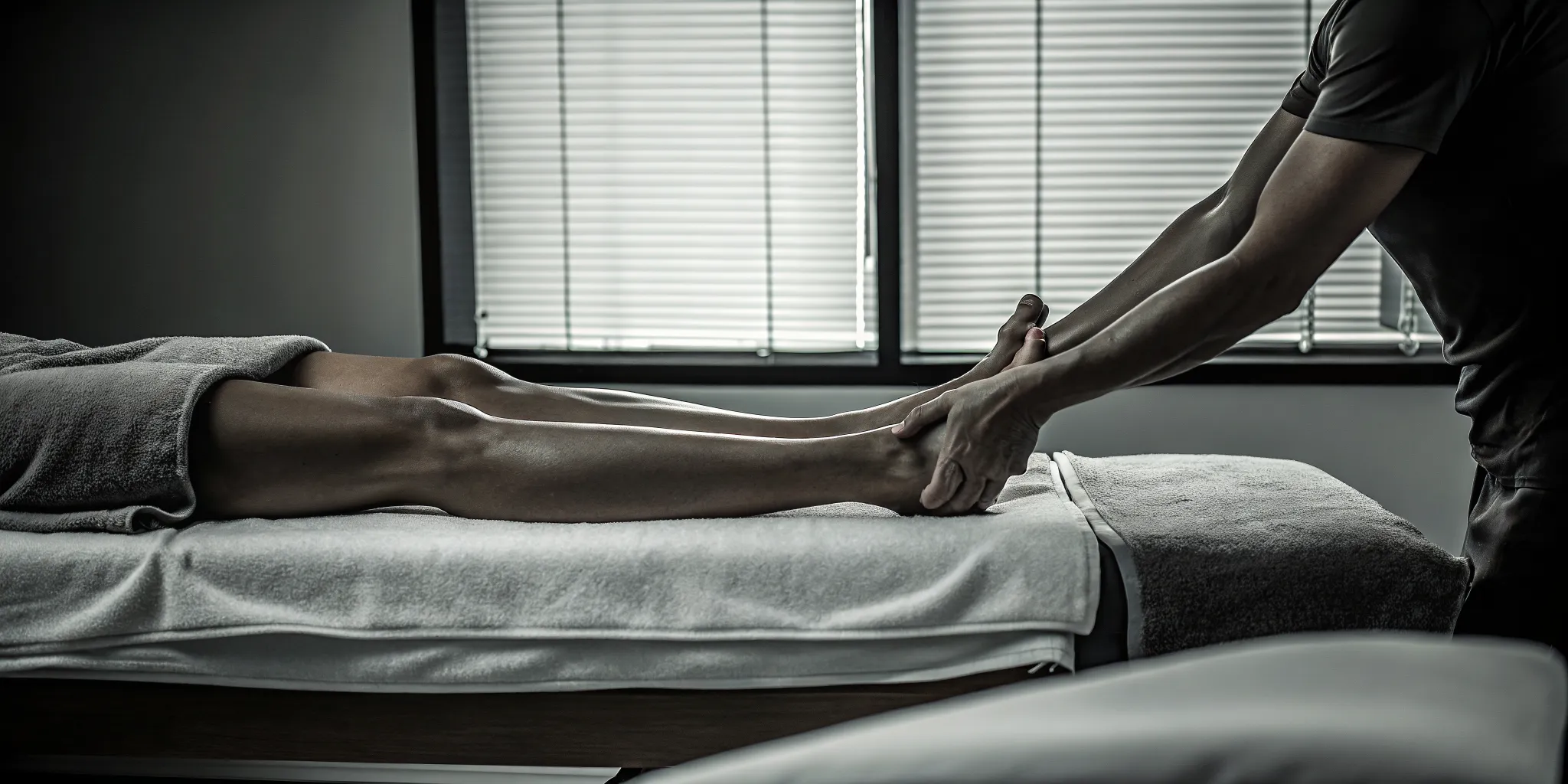
Relief for soreness and held tension
Soreness is not always located where the movement restriction begins. A demanding run may leave your calves obvious and tender, while tension around your hips changes your stride. Heavy pressing may make your shoulders feel worked, while your chest and upper back also need attention. Full-body therapeutic work can account for these connected patterns rather than chasing only the loudest spot.
Massage should not be presented as a cure for injury or a replacement for qualified medical care. For ordinary post-training stiffness, though, it can be a useful way to reduce the sense that your body is stuck. The goal is not to force tissue into submission. The goal is to use appropriate pressure and a consistent method so movement feels easier after the workload you chose.
A clearer picture of your movement
Training plans measure sets, miles, pace, and load. Recovery also benefits from observation. During a session, you may notice that one hip feels less mobile, one shoulder carries more tension, or a familiar compensation appears under pressure. That information can guide your warm-up, next workout, and future bodywork appointments.
This is why AUSTINDEEP positions therapeutic bodywork as body maintenance. A session can support how you move today while helping you pay attention to patterns across a training block. Explore the broader AUSTINDEEP services to understand the available approaches.
When should you schedule massage after a workout?
There is no single perfect time for every athlete. The best timing depends on the workout, your current soreness, your schedule, and the type of pressure you want. Some people appreciate lighter work soon after an event. Others prefer to wait until the day after a hard lifting session, when they can identify which areas feel restricted.
Match timing and pressure to the training load
After a routine workout, you may be comfortable receiving therapeutic work that day or the next. After an unusually demanding race, competition, or high-volume session, your body may need more time and a more conservative approach. Tell your therapist what you did, when you did it, and what you feel now. Clear context helps them adapt the session rather than applying the same intensity every time.
More pressure is not automatically more effective. If tissue is extremely tender, aggressive work may be uncomfortable and unnecessary. A skilled session meets your body where it is. You and your therapist can adjust the focus and pressure throughout the appointment.
Use your training calendar
Place bodywork where it supports consistency. If Saturday is your hardest training day, Sunday or Monday may be a practical recovery window. If you are preparing for an event, avoid experimenting with an unfamiliar deep session immediately beforehand. Give yourself enough time to understand how your body responds.
For regular maintenance, consistency can matter more than finding a magic hour. Scheduling around your hardest or most repetitive training periods makes it easier to address patterns before they become constant distractions. Austin clients can choose a convenient appointment through the Lake Austin booking page or the Barton Creek booking page.
Why a fascia-first, full-body approach matters
Fascia is connective tissue that surrounds and connects structures throughout the body. Because your movements involve chains of muscles and joints, the area that feels sore is not always the only area relevant to your recovery. A fascia-first perspective invites the therapist to look beyond an isolated complaint and consider how tension across the body may be affecting movement.
The proprietary DEEP Method is AUSTINDEEP’s full-body system for restoring movement and releasing held tension. Therapists are trained in-house, and sessions follow the same proven structure for precision and consistency. This is purposeful therapeutic bodywork for people who train hard, work long, carry stress, and need their bodies to keep up.
How this differs from a spa massage
A relaxation massage can be enjoyable, but that is not the core purpose of AUSTINDEEP. A recovery-focused session begins with what your body needs to do: squat without feeling restricted. Rotate comfortably, return to running, or move through daily life with less held tension. The therapist uses that goal to shape the work.
You should expect active communication. Share where you feel soreness, which movements are limited, and what training is coming next. Speak up about pressure. Therapeutic work can be intense, but it should remain productive and responsive. You do not need to tolerate pain to prove that the session is working.
Why the full body still matters when one area is sore
If your hamstrings feel tight after sprinting, it is reasonable to want attention there. A full-body approach can also consider the hips, calves, feet, and trunk that help produce the movement. This does not mean every session treats every area with identical intensity. It means the therapist keeps the larger movement pattern in view while prioritizing your current needs.
For a deeper explanation, read how AUSTINDEEP approaches fascia massage and held tension. The aim is a more complete reset, not temporary relief in one isolated spot.
Build massage into a complete recovery routine
Bodywork works best as one part of a realistic recovery system. Your routine does not need to be elaborate, but it should support the work you ask your body to do. Start with the fundamentals and use massage to complement them.
| Recovery tool | Primary role | Practical use |
|---|---|---|
| Sleep and rest | Supports overall recovery | Protect enough time between demanding sessions |
| Hydration and nutrition | Supports normal body functions | Follow a plan appropriate to your activity and health |
| Easy movement | Helps you assess how your body feels | Use walking or comfortable mobility work between hard sessions |
| Post workout massage | Addresses held tension and comfortable movement | Schedule around recurring patterns and demanding training blocks |
Immediately after training
- Cool down gradually. Shift from demanding effort to easy movement instead of stopping abruptly when practical.
- Rehydrate and refuel. Follow guidance appropriate to your activity, health, and training goals.
- Make quick notes. Record unusual tightness, discomfort, or movement changes while they are fresh.
These simple habits provide useful context for your next session. Instead of saying only that your legs feel tight, you can explain which workout preceded the feeling and which movements now seem different.
Between hard sessions
Sleep and appropriate rest remain central to recovery. Easy movement may also feel helpful between demanding sessions, depending on your plan. A walk, comfortable mobility work, or another low-intensity activity can help you check in with your body without adding another hard workload.
Schedule massage according to patterns, not panic. If your training predictably creates tension every few weeks, make bodywork part of that rhythm. A proactive session can help you maintain comfortable movement before soreness becomes the only thing directing your choices.

After your massage
Pay attention to how you feel later that day and during your next workout. Your therapist may offer general aftercare suggestions based on the session. Give yourself room to respond rather than immediately testing every limit. If something feels unusual or concerning, contact an appropriate healthcare professional.
Over time, track whether bodywork helps you move more comfortably and stay consistent. That practical outcome matters more than chasing an extreme sensation during a session. For common appointment and preparation questions, visit the AUSTINDEEP FAQ.
Adapt recovery bodywork to the way you train
A useful recovery session reflects your actual movement demands. Two people can arrive with similar soreness and need different priorities because one trains for distance while the other lifts heavy or spends long workdays at a desk. Explain the activities you repeat most often, not only what you did yesterday. That broader context helps connect today’s tension with the workload building across your week.
For runners and cyclists
Endurance training repeats the same movement many times. Calves, feet, hips, and the areas supporting your posture may all influence how comfortable that repetition feels. Tell your therapist about recent changes in distance, hills, speed, terrain, or bike position. If one side begins to feel different late in a session, mention that pattern even if it is not painful on the massage table.
For strength training and demanding workdays
Lifting asks your body to create and control force through large ranges of motion. Note which lifts feel restricted and whether that limitation appears during setup, lowering, or effort. Daily life matters too. Long periods sitting, standing, driving, or working at a computer can add another layer of held tension. Share those demands so your session can support a body that moves through the whole week, not just one workout.
What to expect at an AUSTINDEEP recovery session
Your session begins with a conversation about recent activity, current tension, and the movements that matter to you. Be specific. Mention whether you completed a long run, a heavy lower-body day, repeated overhead work, or a weekend of demanding activity. Also disclose relevant injuries or health concerns so the therapist can determine whether and how to proceed.
The therapist then uses the DEEP Method to work through the body with a fascia-first perspective. Because the system is structured and therapists are trained in-house, the experience is designed for consistency while still responding to your needs. The session is not a generic routine and not a spa escape. It is therapeutic bodywork centered on recovery, movement, and resilience.
Before you leave, consider what changed. Does rotation feel easier? Do your hips feel less restricted? Is the tension that affected your stride less noticeable? These observations help you evaluate the session and communicate clearly next time.
When massage is not the right next step
Ordinary post-workout soreness is different from a possible injury or medical problem. Do not use massage to push through sudden severe pain, an inability to bear weight. Major swelling, a suspected fracture or tear, an open wound, fever, or other concerning symptoms. Seek assessment from an appropriate healthcare professional. If you are unsure whether massage is appropriate because of a health condition, medication, recent procedure, or injury, get qualified guidance before booking.
Even when massage is appropriate, communicate honestly. Productive bodywork should be adapted to your condition on that day. A recovery plan that respects warning signs protects the long-term consistency you are trying to build.
Frequently asked questions
How soon after a workout should I get a massage?
Timing depends on your workout, soreness, and preferred pressure. Some people choose lighter work the same day, while others schedule therapeutic work the next day. After an unusually demanding effort, allow time to assess how you feel and tell your therapist exactly what you did.
Will post workout massage eliminate soreness?
No. Research suggests massage can help reduce perceived soreness after strenuous exercise, but it does not guarantee that soreness will disappear. Sleep, hydration, nutrition, appropriate training load, and rest still matter.
Is the DEEP Method a relaxation massage?
No. The DEEP Method is AUSTINDEEP’s fascia-first, full-body system for therapeutic bodywork. It is intended to release held tension, restore movement, and support lasting relief, recovery, mobility, and resilience rather than provide a typical spa relaxation experience.
How often should active people book bodywork?
There is no universal schedule. Frequency depends on training load, goals, budget, and how your body responds. Some active people book around demanding training periods, while others use regular sessions as ongoing body maintenance.
Make recovery part of how you train
Consistent training asks a lot from your body. Consistent recovery helps you keep showing up. AUSTINDEEP gives active people in Austin a structured, fascia-first option for working through held tension and restoring movement. Make therapeutic bodywork part of the plan before your body has to demand your attention.