The best answer to massage before or after workout is usually simple: choose light, brief work before training when you want to feel ready to move, and choose deeper therapeutic bodywork after training or on a rest day when recovery is the goal. The right timing also depends on workout intensity, soreness, and how your body responds to pressure.
Explore AUSTINDEEP therapeutic bodywork services
For most people, a full therapeutic session fits better after a workout than immediately before one. A pre-workout massage should stay brisk and light so it does not leave you tender or overly relaxed. Post-workout or rest-day work creates more room for a fascia-first, full-body approach. AUSTINDEEP uses the DEEP Method to release held tension, restore movement, and help the body reset. It is essential body maintenance for people who train hard, work long, and need their bodies to keep up, not a relaxation massage or a substitute for medical care.
Massage before or after workout: the short answer
Massage timing should follow your immediate goal. Before training, the goal is preparation. After training, the goal is recovery. That distinction matters because a quick, surface-level session and a deliberate therapeutic session can affect how you feel in very different ways.
A 2020 systematic review and meta-analysis found that sports massage did not directly improve strength, sprint, jump, endurance, or fatigue outcomes, although it was associated with small improvements in flexibility and delayed onset muscle soreness. That evidence supports a practical approach: do not book bodywork expecting it to create power on demand. Use it as one part of a broader movement and recovery routine. Read the systematic review of sports massage and performance for the study details.
Before training: prepare, do not overhaul
Light work before exercise can be useful when you feel generally stiff, want to settle pre-event nerves, or need to become more aware of how your body is moving. Keep the session brief and avoid aggressive pressure. A pre-workout session should leave you alert and comfortable, not tender, sleepy, or unfamiliar with your range of motion.
Bodywork should complement, never replace, your normal warmup. You still need progressive movement, sport-specific drills, and appropriate loading. If deep pressure typically makes you sore, schedule it farther away from a hard workout or competition.
After training: make room for recovery
After exercise, there is no need to preserve immediate performance readiness. This makes recovery-focused work a more natural fit. Massage may help reduce the perception of soreness and fatigue, while the quieter pace gives you time to notice where you are holding tension. A 2023 review reported benefits for delayed onset muscle soreness and fatigue, while also noting that proposed biological mechanisms remain uncertain. See the review of massage after exercise for context.
Post-workout bodywork is only one recovery input. Sleep, food, hydration, sensible training volume, and time still matter. A good session supports those habits instead of promising a shortcut around them.
A quick timing comparison
| Timing | Primary goal | Best-fit approach | Watch for |
|---|---|---|---|
| Shortly before a workout | Readiness | Light, brief, and focused | Avoid soreness or excessive relaxation |
| After a light workout | Downshift | Gentle to moderate work as comfortable | Cool down and communicate sensitivity |
| After a hard workout | Recovery | Wait until you have cooled down; adjust pressure | Do not force painful areas |
| Rest or deload day | Full-body maintenance | Deeper, structured therapeutic work | Allow time to respond before the next hard effort |
When massage before a workout makes sense
Choosing massage before or after workout sessions is not always an either-or decision. Pre-workout work can make sense when the session matches what comes next. The key is restraint. The closer you are to training, the lighter and shorter the work should generally be.
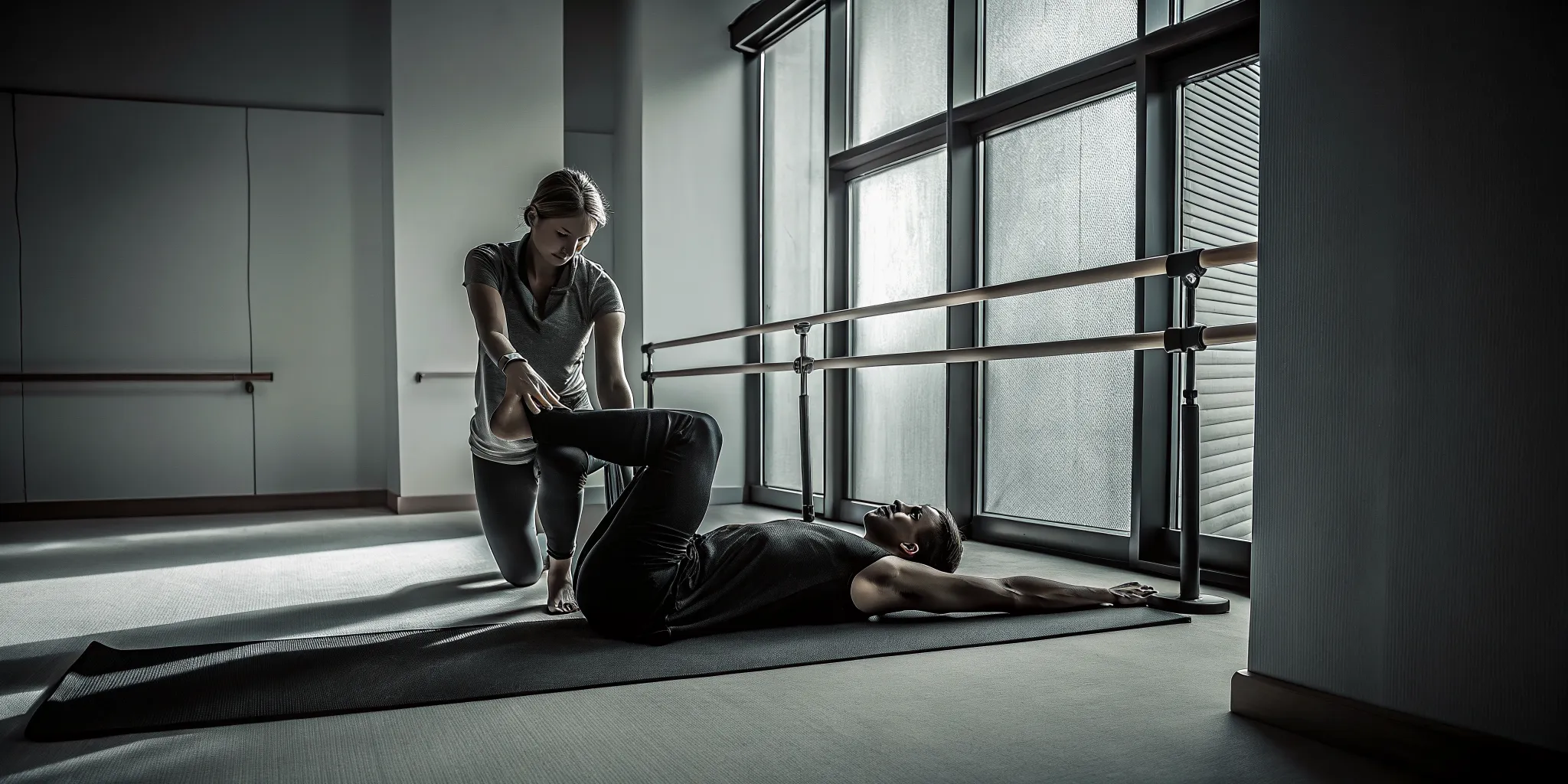
You want to feel less restricted
If everyday tension makes the first part of a workout feel stiff, a short session may help movement feel easier. Evidence suggests massage can produce small improvements in flexibility, but that does not mean a therapist should push your joints into a new range moments before heavy loading. The aim is to help you feel prepared within a range you can control.
People who sit for long periods before lifting, running, climbing, or playing a recreational sport may especially value this transition. Use the session to notice how your hips, shoulders, and trunk move, then reinforce that awareness through your normal warmup.
You need a calm, focused transition
A demanding workday and a demanding training session can blur together. Light bodywork can create a clear pause between them. Some people appreciate that mental reset before a race or practice because it helps them arrive with more focus. Still, the pressure should not be so slow or deep that you feel ready for sleep instead of movement.
Your workout is light or technical
Pre-workout timing is easier to manage before a low-intensity technique session, an easy aerobic day, or a mobility-focused practice than before a maximal lift or all-out race. The consequences of feeling unexpectedly tender are lower. It also gives you an opportunity to learn how your body responds without testing the approach on an important day.
When to skip pre-workout massage
Do not use massage to push through a new injury, unexplained swelling, severe pain, fever, skin infection, or other concerning symptom. Seek appropriate medical guidance instead. Even without those red flags, skip or postpone pre-workout work if you are dehydrated, lightheaded, unusually fatigued, or know that massage makes you sore.
For deeper work, leave a buffer before your hardest training. There is no universal waiting period because pressure, session length, and personal response differ. If you are new to therapeutic bodywork, test your response before a normal training day rather than before a major event.
Why massage after a workout is usually the better fit
For anyone comparing massage before or after workout timing, the after-workout window usually offers more flexibility. You no longer need to protect that day’s performance. You can focus on the areas that worked hard, discuss patterns that surfaced during training, and choose pressure based on recovery rather than readiness.
It may ease perceived soreness and fatigue
Delayed onset muscle soreness, often called DOMS, typically develops after unfamiliar or demanding exercise. Research suggests massage can reduce the perception of soreness and fatigue for some people. That does not mean it erases tissue stress or makes immediate hard training a good idea. It can, however, make the recovery period feel more manageable.
The most useful question after a difficult session is not, “Can massage make this disappear?” It is, “What level of work would support recovery without adding more stress?” Honest feedback helps your therapist adjust the pace and pressure.
It supports a deliberate downshift
Hard training asks the body to produce effort. Recovery requires the opposite: enough space and time to settle. A post-workout session can help mark that transition and encourage you to pay attention to areas that feel guarded or overworked. For Austin clients balancing training with long hours at a desk, travel, or active jobs, that pause can be valuable.
It gives deeper work a better place on the calendar
Deep therapeutic work can leave some people temporarily tender or tired. Scheduling it after training or during a rest window keeps that response from interfering with an important effort. AUSTINDEEP’s guide to deep tissue massage benefits explains how deliberate pressure can fit into ongoing body maintenance.
After a very hard effort, let your heart rate settle, cool down, hydrate normally, and assess how you feel. If an area is acutely painful or swollen, do not ask a therapist to force it. When in doubt, wait and seek the right clinical guidance.
How pressure changes the timing decision
Pressure is one of the biggest variables in the massage before or after workout decision. Timing advice that makes sense for five minutes of light work may not make sense for a full therapeutic session. Describe your next workout, recent workload, and normal response to bodywork so the therapist can shape the session accordingly.
Light and brisk work for preparation
Preparation-focused work stays relatively brief, comfortable, and energizing. It can address general stiffness without chasing every tight point. The goal is not to transform your body immediately before training. It is to help you feel connected, comfortable, and ready to begin a progressive warmup.
Moderate work after ordinary training
After a routine workout, moderate pressure may feel appropriate if you have cooled down and nothing feels injured. This can be a useful middle ground when you want recovery support but have another training session soon. Communicate if pressure feels sharp, creates guarding, or seems likely to leave you sore.
Deeper work on a rest or deload day
Rest days and deload periods often provide the clearest space for deeper, full-body work. There is less pressure to perform immediately afterward, and you can observe how your movement responds. This is where the DEEP Method fits best for many clients.
The DEEP Method is AUSTINDEEP’s fascia-first, full-body system. Therapists trained in-house follow a consistent structure to identify held tension, restore movement, and help the body reset so relief lasts. It is not a generic relaxation massage. It is therapeutic bodywork designed as essential maintenance for active people and anyone whose work, stress, and schedule demand a lot from the body. Learn more about fascia-focused bodywork for pain relief and mobility.
Timing bodywork for different training days
A useful plan accounts for the kind of training you do, not just whether exercise happens before or after the appointment. Use the following scenarios as starting points, then adapt them based on your own response and your therapist’s guidance.
Strength days
Before heavy strength work, avoid an unfamiliar deep session that could leave you tender or change how a movement feels. Light preparation may be comfortable, but it should be followed by your full warmup. After lifting, recovery-focused work can fit once you have cooled down. If you expect significant soreness from a new program or high-volume day, the next day or a rest day may be a better window for deeper work.
Running and endurance days
Before a run or ride, brief work may help you feel less restricted, but it is not a replacement for easy mileage, drills, or gradual pacing. After long-distance training, allow your body to settle before deciding on pressure. A recovery appointment later that day or within the next couple of days often offers more room to address the full body without rushing.

Competition weeks
Do not introduce a new bodywork style immediately before a race, tournament, or personal-record attempt. If you want deeper work during event week, schedule enough time to learn how your body responds before the competition. Light familiar work closer to the event may be appropriate, but it should never leave you sore.
After the event, assess the effort honestly. Gentle work may feel good once you have cooled down, while deep work often belongs later. New sharp pain, significant swelling, or other concerning symptoms call for an appropriate health professional, not more pressure.
Rest and deload days
A rest day is often the best answer for clients who want the full benefit of therapeutic bodywork without placing it immediately next to hard training. This window makes it easier to choose a structured, full-body session and notice the result. It also helps turn bodywork into consistent maintenance instead of an emergency response whenever tension becomes intolerable.
How to choose the right appointment time
If you are still deciding between massage before or after workout sessions, use a simple process. Your goal is not to discover a perfect rule for everyone. It is to make a choice that matches today’s needs and improves future scheduling.
- Name the goal. Decide whether you want preparation, recovery, or deeper body maintenance. If your answer is “all three,” prioritize the most immediate need.
- Review the next 48 hours. Note hard workouts, competitions, travel, and long workdays. Give deeper work more room before any high-priority physical effort.
- Rate current sensitivity. General tightness, ordinary soreness, and sharp or unexplained pain are not the same. Do not use massage to override warning signs.
- Choose pressure to match the schedule. Stay light before training. Save more deliberate therapeutic work for afterward, a rest day, or a deload.
- Track your response. Note how you feel later that day and during your next workout. Share that information at your next appointment so timing and pressure can improve.
Questions to tell your therapist
- What kind of workout did you complete, and how demanding was it?
- When is your next hard training session or event?
- Where do you feel ordinary tightness, and where do you feel pain?
- How have you responded to deep pressure in the past?
- Are you seeking readiness, recovery, or ongoing maintenance?
These details help a therapist make the session more precise. At AUSTINDEEP, in-house training and a consistent DEEP Method structure support a reliable experience across sessions. The approach is still personalized to how your body presents that day.
Build bodywork into an Austin training routine
The most useful bodywork plan is one you can repeat and adjust. Waiting until discomfort becomes severe often makes scheduling reactive. Instead, place sessions around known high-load periods, rest days, and deloads. Over time, you will learn whether you prefer a day between deeper work and training or feel comfortable returning sooner.
For athletes, active professionals, and anyone carrying the combined load of training and long workdays, this is the difference between a one-off massage and essential body maintenance. The aim is not temporary relaxation. It is to address held tension, support movement, and keep your body capable of meeting the demands you place on it.
Choose a convenient Austin location
Consistency is easier when the appointment fits your week. Book the studio that works best for your routine: reserve a Lake Austin Blvd appointment, choose a Downtown Austin session, or schedule therapeutic bodywork at Barton Creek. If you are managing a specific training-related issue, review AUSTINDEEP’s approach to injury recovery massage near Rollingwood while remembering that massage does not replace medical evaluation.
What to do before and after your session
Before the appointment, share your training schedule and the outcome you want. Arrive ready to describe what feels restricted and what feels painful. After the session, pay attention to your response rather than forcing a predetermined workout. Normal daily movement may feel appropriate, while hard training may be better saved for later depending on the depth of work and your sensitivity.
There is no prize for tolerating excessive pressure. Productive therapeutic bodywork should be specific and communicative. Tell your therapist when a sensation feels sharp, creates guarding, or seems inconsistent with your goal.
Frequently Asked Questions
Is it better to get a massage before or after a workout?
The better time depends on the goal. Light, brief bodywork before exercise can support a sense of readiness and range of motion. Deeper therapeutic work is generally a better fit after training or on a rest day, when recovery is the priority. For most full sessions, after a workout is the more practical option.
What are the benefits of a post-workout massage?
A post-workout massage can help reduce the perception of muscle soreness, ease fatigue, support relaxation, and make movement feel less restricted. It is a recovery tool, not a replacement for sleep, hydration, nutrition, sensible training, or medical care.
Can a massage before a workout improve athletic performance?
Research does not show a clear direct improvement in strength, speed, or endurance from pre-workout massage. Light work may support flexibility and help an athlete feel prepared, but it should not replace a sport-specific warmup. Avoid deep or unfamiliar work right before an important effort.
How long should I wait after a workout to get a massage?
After a light workout, gentle work may feel comfortable soon afterward. After a very demanding session, race, or unusually sore day, let your body cool down and consider waiting until later that day or the next day before deeper work. Adjust based on how you feel and your therapist’s guidance.
Book bodywork that fits your training
The right answer to massage before or after workout depends on your goal, pressure preference, and training calendar. Keep pre-workout work light and familiar. Use post-workout and rest-day sessions for recovery and deeper maintenance. With thoughtful timing, the DEEP Method can become a reliable part of how you restore movement, release held tension, and keep your body ready for Austin life. Learn more about what to expect when you book a session →.